
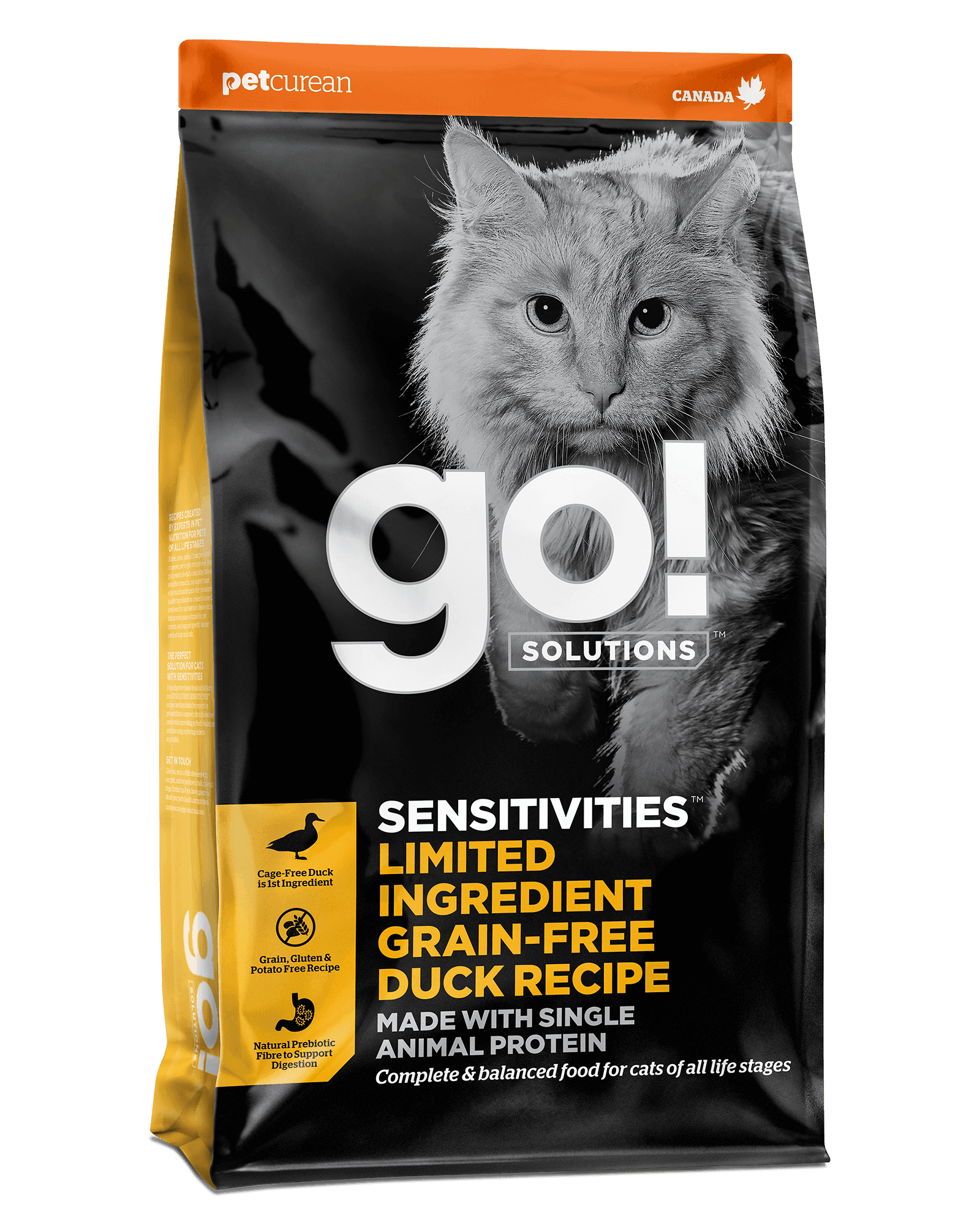
As a devoted cat owner, you’re always seeking the best for your feline companion. When it comes to their diet, this often means navigating a world of ingredients, nutritional claims, and sometimes, concerns about sensitivities. If your cat experiences digestive upset, skin issues, or other adverse reactions to their food, you might have already encountered the term “limited ingredient cat food.” But what exactly does this mean, and why is it a popular choice for so many cats?
What is Limited Ingredient Cat Food?
Limited ingredient cat food is precisely what it sounds sounds like: a cat food formula that contains a reduced number of ingredients compared to standard cat foods. The primary goal behind these specialized diets is to minimize the potential for adverse reactions in cats with food sensitivities or allergies. By simplifying the ingredient list, it becomes easier to identify and avoid specific ingredients that may be causing your cat discomfort.
Natural Balance, a brand dedicated to pet nutrition, emphasizes that their Limited Ingredient recipes are purposefully crafted for all cats, whether they have known food sensitivities or not. These formulas typically feature a single-source animal protein (like chicken, venison, duck, or salmon) and a carefully selected carbohydrate source, often from vegetables like peas. This focused approach aims to provide complete and balanced nutrition while minimizing the exposure to common allergens.
Why Choose Limited Ingredient Cat Food?
There are several compelling reasons why a cat owner might opt for a limited ingredient diet for their cat:
1. Managing Food Sensitivities and Allergies
This is the most common reason for choosing limited ingredient cat food. Cats can develop sensitivities or allergies to various ingredients, most frequently proteins (like chicken, beef, or fish) and sometimes grains or other fillers. Symptoms can range from digestive issues such as vomiting and diarrhea, to skin problems like itching, redness, and hair loss. A limited ingredient diet helps by:
- Easier Identification of Triggers: With fewer ingredients, it’s simpler to pinpoint which specific ingredient might be causing a reaction. If a cat improves on a limited ingredient diet, a veterinarian might recommend reintroducing ingredients one by one to identify the culprit.
- Reducing Exposure to Common Allergens: By focusing on novel or single-source proteins, these foods avoid common allergens that often trigger reactions.
2. Promoting Digestive Health
Even if your cat doesn’t have a diagnosed allergy, some digestive systems are simply more sensitive. Limited ingredient diets, particularly those with easily digestible carbohydrates like peas, can be gentler on the stomach, leading to improved stool quality and reduced instances of vomiting or diarrhea.
3. Supporting Skin and Coat Health
A cat’s skin and coat are often the first indicators of their overall health. Allergies and sensitivities can manifest as dull coats, excessive shedding, or itchy skin. By addressing potential dietary triggers, limited ingredient foods can contribute to a healthier, shinier coat and less irritated skin. Natural Balance highlights that their recipes help support your pet’s skin and coat health.
4. Simplicity and Transparency
For many owners, the appeal of limited ingredient diets lies in their straightforwardness. Knowing exactly what your cat is eating provides peace of mind. The absence of artificial colors, flavors, and fillers means you are providing a clean and wholesome meal.
Key Components of Limited Ingredient Cat Food
When looking at the ingredient list of a limited ingredient cat food, you’ll typically find:
- Single-Source Animal Protein: This is usually the first ingredient. Examples include salmon, duck, venison, or chicken. Using a single protein source makes it easier to manage potential allergies.
- Carbohydrate Source: Often derived from vegetables like peas, sweet potatoes, or potatoes, these provide energy.
- Fats and Oils: Essential for energy, skin and coat health, and nutrient absorption. Omega-3 and omega-6 fatty acids are commonly included.
- Vitamins and Minerals: Added to ensure the food is nutritionally complete and balanced for all life stages.
Natural Balance’s Limited Ingredient Cat Food is crafted with a limited list of premium proteins and vegetables, ensuring an easily digestible formula that supports full-body health.
How to Transition to a Limited Ingredient Diet
If you’re considering switching your cat to a limited ingredient diet, it’s crucial to do so gradually to avoid further digestive upset.
- Consult Your Veterinarian: Before making any significant dietary changes, discuss your cat’s symptoms and potential food sensitivities with your veterinarian. They can offer personalized recommendations and help you choose the right limited ingredient formula.
- Gradual Transition: Over 7-10 days, slowly mix the new limited ingredient food with your cat’s current food. Start with a small amount of the new food and gradually increase the proportion while decreasing the old food.
- Monitor Your Cat: Observe your cat closely for any changes in their behavior, appetite, digestion, and skin condition. Note any improvements or new issues.
- Patience is Key: It can take several weeks for your cat to show significant improvement on a new diet. Continue to monitor and consult your vet if you have concerns.
Conclusion
Limited ingredient cat food offers a valuable solution for cat owners seeking to manage their pet’s dietary sensitivities, improve digestive health, and ensure a shiny coat. By focusing on simple, high-quality ingredients and single-source proteins, these specialized diets provide the nutrition cats need to thrive, while minimizing the risk of adverse reactions. Consulting with your veterinarian remains the best first step in determining if a limited ingredient diet is the right choice for your beloved feline. Remember, feeding your cat well leads to them feeling well.
