
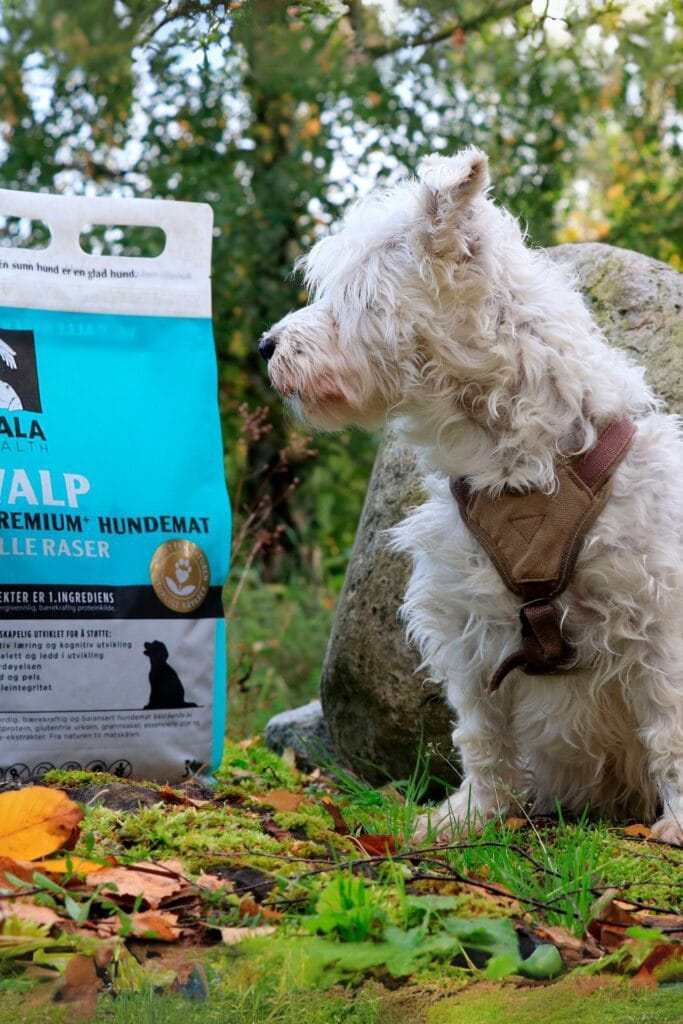
Acid reflux, a condition where stomach or intestinal fluid flows back into the esophagus, is not exclusive to humans; dogs can also experience this uncomfortable ailment. This condition, known as gastroesophageal reflux disease (GERD), occurs when the sphincter connecting the esophagus to the stomach fails to close properly, allowing stomach acid to enter the esophagus. The caustic nature of this acid can lead to irritation, inflammation, and damage to the esophageal lining, and it is particularly prevalent in brachycephalic breeds like Pugs due to their shorter esophageal length. It’s important to distinguish acid reflux from vomiting, which involves abdominal contractions, whereas reflux happens suddenly when fluids reach the esophagus.
Recognizing the Symptoms of Acid Reflux in Dogs
Observing your dog for specific behaviors can help identify acid reflux. Signs of discomfort may include excessive lip licking or air licking, frequent swallowing, changes in appetite, vomiting bile, retching, burping, or gagging. Dogs with acid reflux might also exhibit unusual behaviors such as eating dirt or inanimate objects, a distinct bad breath not related to dental issues, teeth grinding, or jaw snapping. Painful swallowing, vocalization during eating, coughing, wheezing, or even aspiration pneumonia (if acid is inhaled) are also indicators. Behavioral changes like restlessness, pacing, a hunched posture, lethargy, and reluctance to move can signify discomfort. In more severe cases, signs may include vomiting blood (hematemesis) due to esophageal irritation and abnormal lab results.
Potential Causes of Acid Reflux in Dogs
The reasons behind acid reflux in dogs are diverse and can range from dietary factors to underlying health conditions. Highly processed diets, antibiotic use that disrupts the gut microbiome, nutrient deficiencies, and food sensitivities can all contribute. Imbalances in the gut flora, such as SIBO (small intestinal bacterial overgrowth), yeast, or parasitic infections, play a significant role. Inflammation of the digestive tract, often linked to poor immunity and leaky gut syndrome, as well as Inflammatory Bowel Disease (IBD), are also common culprits.
Other contributing factors include the presence of foreign bodies, autoimmune diseases like Myasthenia gravis or megaesophagus which affect esophageal sphincter function, impaired nerve flow to the sphincters, and obesity. Issues with peristalsis (the muscular contractions that move food through the digestive tract), leading to delayed stomach emptying, can also cause reflux. Overproduction of stomach acid, potentially triggered by stress, hernias, or spicy foods, or underproduction due to antacids or nutrient deficiencies, can both lead to the sphincter not closing properly. Chronic vomiting stemming from conditions like pancreatitis, kidney, or liver issues can also be a cause.
Stress can significantly impact the microbiome, increasing the likelihood of infection and inflammation, and altering digestive speed. Anesthesia can slow bodily processes, making it crucial to allow for full recovery before feeding. In younger dogs, underdeveloped esophageal sphincters may improve with age. Furthermore, hiatal hernias, trauma to the throat area, and tumors are serious potential causes.
Diagnosing Acid Reflux in Dogs
Given the wide array of potential causes, a holistic veterinarian is often recommended to thoroughly investigate the root of your dog’s acid reflux. A comprehensive diagnostic approach, as advised by Dr. Odette Suter DVM, typically begins with a physical examination, including a detailed evaluation of the nervous system. This may involve checking for pain along the esophagus, range of motion testing, a neurological and chiropractic exam, and visceral manipulation to assess organ movement. A craniosacral exam can help identify restrictions in the vagus nerve, a crucial nerve influencing digestion.
Physical misalignments, such as those caused by arthritis or even improperly trimmed toenails, can impact posture and movement, potentially compressing the vagus nerve. Tight fascia within muscles and organs, scarring, or arthritis can restrict necessary movement for proper digestion. In some instances, a natural antacid may be administered to provide relief and serve as a diagnostic tool to gauge acid levels. Further diagnostic steps can include microbiome testing to analyze gut flora and screening for parasites. For severe cases, biopsies and advanced imaging like endoscopy, ultrasound, X-rays, or fluoroscopy may be necessary.
Medications and Natural Approaches for Acid Reflux
While conventional medications exist for acid reflux in dogs, such as prokinetic drugs that aid stomach emptying, they often do not address the underlying cause and can carry serious side effects. These may include an increased risk of bone fractures due to calcium malabsorption, potential development of autoimmune diseases, reduced absorption of essential nutrients like B12, iron, and magnesium, and even an increased risk of stomach cancer with long-term use of certain drugs like omeprazole.
Therefore, safer, natural remedies are often preferred. Nutritional support with zinc is vital for hydrochloric acid (HCl) production. Digestive enzymes can aid the pancreas and improve food digestion, while probiotics help restore and rebalance the gut microbiome, supporting beneficial bacteria. For stress management, Ashwagandha can be beneficial for both the dog and owner. In some specific cases, a fecal transplant may be considered.
Dietary and Home Remedies for Canine Acid Reflux
Dietary adjustments are paramount in managing acid reflux. It is advisable to avoid dry, highly processed foods containing common allergens like grains and starches, chemical preservatives, and ingredients with low nutritional value. Instead, focus on feeding high-moisture meals composed of whole foods. Gently cooking meats and lightly steaming vegetables can enhance digestibility. Smaller, more frequent meals are recommended, or opting for lower fat and protein content can reduce stomach acid release. A small, late-night snack can prevent an empty stomach overnight. For dogs with food sensitivities, an elimination diet, introducing one food source at a time, is a useful diagnostic approach.
Several natural antacids can soothe irritation in the esophagus and stomach lining. Soothing herbs like ginger, slippery elm, licorice, and marshmallow root can be beneficial. Supplements such as pure organic aloe vera juice can provide a protective coating. Ripe bananas also possess natural antacid properties that can offer relief. Ginger tea or chamomile tea can also have a calming effect; brewing ginger slices in water and offering the cooled liquid or adding it to food is a simple remedy.
Regular exercise is also crucial, as it helps reduce stress, releases endorphins, and promotes the movement of internal organs and the digestive system.
Understanding Digestion and its Link to Acid Reflux
Optimal digestion in dogs relies on a complex interplay of factors including muscle tone, organ health, the nervous system, and the microbiome. Conditions like arthritis can lead to tightness, impacting the digestive system. The diaphragm plays a role in closing the esophageal sphincter; a hiatal hernia, characterized by a larger opening due to malformation or tearing, can facilitate the backflow of food and acid.
The central nervous system receives and processes signals that influence internal organs, digestion, and the movement of food. The gut is densely populated with nerves, and the vagus nerve, a major nerve running throughout the body, integrates organ function. Injuries or disruptions to this nerve can derail digestion, and aging can also impair nerve flow. Fascia, the connective tissue surrounding muscles and organs, can become tight due to scar tissue from procedures like spaying/neutering or gastropexy, or from arthritis, restricting proper digestion.
Microbiome studies highlight that an overgrowth of certain microbes can affect the stomach sphincter’s function, potentially leading to acid reflux. An imbalanced microbial flora can impact the esophageal sphincter, and the vast microbiome influences brain chemistry, behavior, digestion, and immune responses. A growing imbalance in the microbiome exacerbates inflammation and impairs digestion. Leaky gut syndrome, characterized by increased intestinal permeability, causes GI tract inflammation, prolonging digestion time and increasing regurgitation.
Hydrochloric acid (HCl) plays a critical role in digestion by breaking down proteins, aiding nutrient absorption, eliminating bacteria and viruses, and preventing pathogen overgrowth in the upper GI tract. Both hypochlorhydria (low HCl) and hyperchlorhydria (high HCl) can lead to various digestive issues, including SIBO, fungal overgrowth, leaky gut, food sensitivities, ulcers, and esophageal inflammation.
Tackling acid reflux in dogs is a complex endeavor due to its multifaceted causes and physical influences. Adopting a holistic approach that considers all aspects of your dog’s health is essential for identifying the root cause and guiding them back to wellness.
