
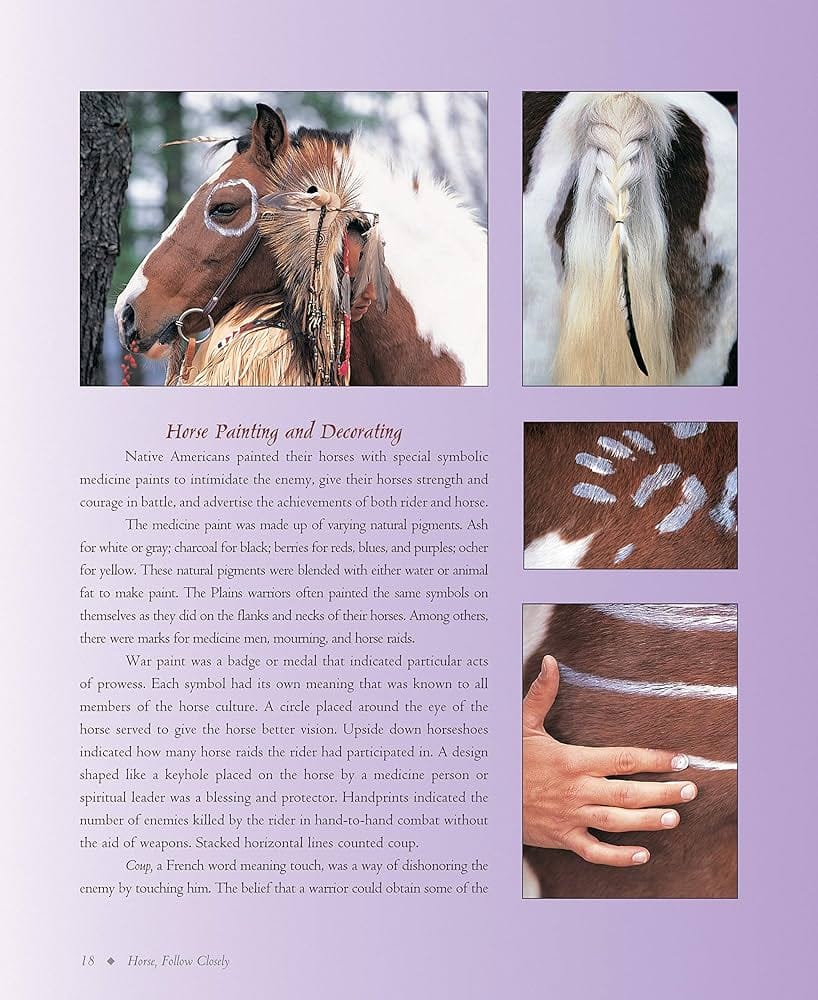
The art of horse training among Native American tribes is a topic steeped in rich history and profound understanding of equine behavior. While direct historical records can be scarce due to the oral traditions of many tribes and past assimilation efforts, available information and the enduring legacy of their practices reveal a sophisticated approach to working with horses. This exploration delves into the unique methods, the influence of early encounters with Spanish horses, and the remarkable horsemanship developed by these indigenous peoples.
Early Encounters and Horse Acquisition
Long before the arrival of the Spanish, some Plains Indian tribes utilized specially bred dogs, even referring to horses as “big dogs” upon their initial introduction. The widespread presence of horses on the prairies, however, is largely attributed to escaped Spanish stock. These horses turned wild, and indigenous tribes proved adept at capturing and integrating them into their lives. While early interactions were not always direct with the Spanish themselves, the acquisition of horses through escapees and later, through raids, fundamentally transformed Native American cultures. The Spanish, initially hesitant to share advanced equestrian technology like stirrups, may have inadvertently contributed to the development of unique Native American riding styles.
Traditional Training Philosophies
Central to Native American horse training was a deep respect for the horse and an understanding of its natural instincts. This philosophy is exemplified by methods akin to Monty Roberts’ “Join-Up,” which emphasizes using the horse’s natural body language and its innate desire to join a herd. By becoming a trusted leader, much like an “alpha female,” trainers could foster cooperation and a willing partnership with the horse. This approach, often referred to as working with “Equus,” suggests a profound connection and communication rooted in observing and responding to the horse’s inherent social behaviors.
The Power of Observation and Patience
Monty Roberts’ accounts of observing wild horses in their natural habitat highlight a key element of traditional Native American training: extensive observation. Spending days watching herds allowed for an intimate understanding of their dynamics, communication, and reactions. This patient observation was crucial for developing effective training techniques. There are historical anecdotes, such as the method of driving horses for days into a confined area and then, paradoxically, having them follow their pursuers back, which exemplifies this understanding of equine psychology. This method, potentially an early form of “Join-Up,” demonstrates a sophisticated grasp of how to influence horses through understanding their instincts rather than through force.
Developing Advanced Horsemanship
The integration of horses, particularly the swift and agile Spanish breeds, led to the development of unparalleled equestrian skills among Native American tribes. While historical records of saddles are less detailed, it is understood that tribes fashioned them from available materials like bone and fur, or utilized woven blankets. Their riding techniques were often characterized by a fluid, artistic style, sometimes involving riding low on the horse’s side, using the animal as a shield, and expertly wielding bows and arrows. This level of skill suggests that while stirrups were not a common feature in their riding gear, their absence may have even facilitated a more integrated and dynamic form of riding, allowing for greater maneuverability and a closer connection to the horse. The prowess of these riders was renowned, often exceeding that of contemporary cavalry.
Preserving a Legacy
The legacy of Native American horse training methods is a testament to a deep, harmonious relationship with these magnificent animals. While much of this knowledge was passed down through oral tradition and was at risk of being lost, the principles of respect, observation, and understanding natural behavior continue to resonate. The historical development of equestrianism by indigenous peoples offers invaluable lessons for modern horse training, emphasizing partnership and mutual trust.
