
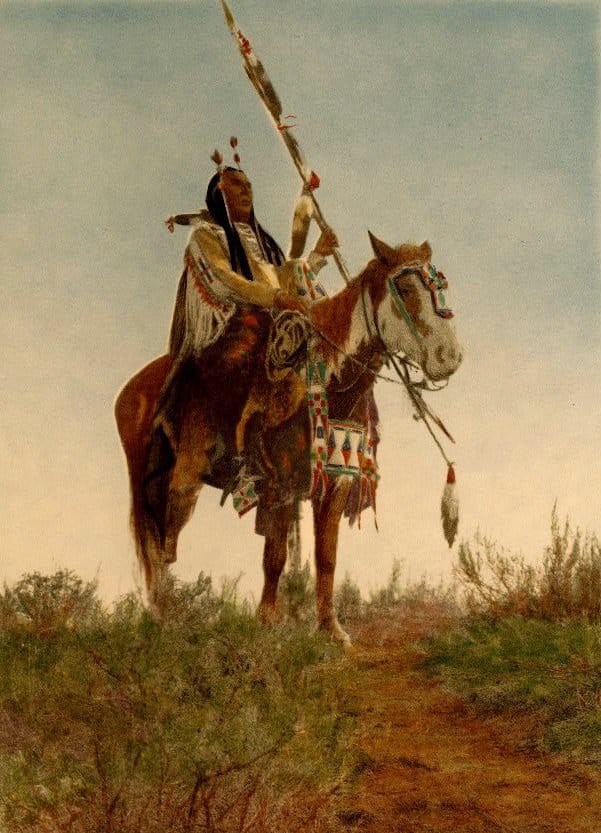
The relationship between Native American tribes and horses is a story etched in history, a testament to a profound partnership that transformed cultures and ways of life. Far from mere domestication, Native American Horse Training Methods were built on a foundation of mutual respect, understanding, and an almost spiritual connection. These approaches, honed over centuries, emphasized natural horsemanship, keen observation, and a deep empathy for the animal. This wasn’t about breaking a horse’s spirit, but about earning its trust and fostering a willing cooperation.
For many Plains tribes, the arrival of the horse in the 16th century heralded a revolution. It enabled greater mobility, enhanced hunting prowess, and fundamentally reshaped their nomadic lifestyles. The methods developed to integrate these powerful animals into their lives were as diverse as the tribes themselves, yet common threads of patience, communication, and a holistic view of the horse’s well-being ran through them all. Understanding these traditional techniques offers a valuable perspective on horsemanship, one that prioritizes the horse’s innate abilities and emotional state, creating a bond that transcends simple command and obedience. Exploring indian horse training methods reveals a wisdom that continues to resonate with modern equestrians seeking a more harmonious partnership with their horses.
The Spiritual and Cultural Significance of Horses
Horses were not just tools for Native Americans; they were revered beings, often imbued with spiritual significance. Many tribes believed horses possessed spirits and should be treated with respect and understanding. This reverence deeply influenced their training philosophies. The process of gentling and training a horse was seen as a spiritual journey, a mutual learning experience that strengthened the bond between human and animal. This deep connection meant that training was never rushed or forceful. Instead, it was a gradual process of building trust, understanding the horse’s natural instincts, and communicating in a way the horse could comprehend. This holistic approach ensured that horses were not only well-trained but also willing partners, capable of incredible feats of endurance and loyalty. The cultural impact of the horse cannot be overstated, and the training methods employed were integral to this transformation.
Principles of Traditional Native American Horsemanship
The core of Native American horse training lay in observation and communication. Trainers would spend considerable time simply observing a horse’s behavior, understanding its reactions, fears, and desires. This keen awareness allowed them to anticipate a horse’s needs and respond accordingly. Key principles included:
- Patience and Consistency: Training was a slow, deliberate process. Rushing a horse was counterproductive and disrespectful. Consistency in signals and expectations was paramount.
- Natural Horsemanship: Methods often mimicked natural herd dynamics. Trainers used body language, vocal cues, and gentle pressure to guide the horse, much like a lead mare would guide her herd. There was an emphasis on working with the horse’s natural inclinations rather than against them.
- Building Trust: The ultimate goal was to earn the horse’s trust. This was achieved through gentle handling, positive reinforcement, and ensuring the horse felt safe and understood. A trusted horse was a willing partner.
- Respect for the Animal: Horses were treated as individuals with their own personalities and feelings. Force or harsh punishment was avoided, as it could damage the trust and create fear.
- Mindful Communication: Communication was subtle and nuanced, relying heavily on body language, slight shifts in weight, and soft vocalizations. The trainer aimed to become attuned to the horse’s responses, creating a silent dialogue.
These principles ensured that horses were not just trained, but partners in the journey of life for Native American peoples.
Gentling and Initial Training
The initial phase of training, often referred to as “gentling,” was crucial. This involved slowly accustoming the horse to human presence and touch. Young horses, or those new to human interaction, would be approached calmly, allowed to investigate, and gradually accustomed to being handled. This often involved:
- Close Observation: Understanding the horse’s flight response and body language was key. The trainer would work within the horse’s comfort zone, gradually expanding it.
- Gentle Touch and Pressure: Light touching, grooming, and applying gentle pressure with hands were used to help the horse accept human contact. This was done slowly and rhythmically, without sudden movements.
- Vocal Cues: Soft, reassuring vocalizations were used to create a calming presence and associate human sounds with safety.
- Groundwork: Before any riding, horses were extensively worked from the ground. This included leading, yielding to pressure, and responding to simple commands through body language. This groundwork established communication and respect.
This patient approach ensured that the horse learned to associate humans with safety and positive experiences, laying the foundation for all future training.
Riding and Advanced Training Techniques
Once a horse was gentled and responsive to groundwork, the transition to riding was equally gradual. The saddle and rider were introduced slowly, allowing the horse to acclimate without fear.
- Saddle Acclimation: The saddle might first be placed on the horse’s back without being secured, allowing the horse to get used to the feel and weight. Only when the horse was comfortable would the cinch be gently tightened.
- First Rides: Initial rides were typically short and in a safe, familiar area. The rider focused on maintaining a calm presence and using minimal cues, allowing the horse to move freely and become accustomed to the rider’s weight and balance.
- Communication Through the Reins and Legs: As the horse progressed, communication shifted to more refined cues through the reins and the rider’s legs. These were applied lightly and consistently, always seeking a willing response rather than forcing compliance.
- Developing Responsiveness: Training focused on teaching the horse to respond to subtle shifts in the rider’s weight and leg pressure, allowing for nuanced control and agility. This enabled horses to navigate challenging terrain and perform tasks required for hunting or travel.
- Herd Dynamics in Riding: Sometimes, experienced horses would be used to help train younger ones, mimicking the natural learning process within a herd.
The emphasis remained on partnership. A rider who understood their horse’s temperament and communicated effectively could achieve remarkable feats. This is a far cry from the often harsh realities of modern practices, and understanding the ethical considerations, like why horse racing is cruel, highlights the importance of these gentler, more respectful approaches.
A Legacy of Partnership and Respect
Native American horse training methods represent a profound understanding of animal behavior and a deep-seated respect for horses. These traditions, passed down through generations, were not merely about control but about building a relationship based on trust, communication, and mutual benefit. While specific techniques varied among tribes, the underlying philosophy remained consistent: to work with the horse’s nature, not against it. This approach fostered horses that were not only functional but also willing, responsive partners, integral to the survival and cultural richness of many Native American societies.
Modern equestrians can learn a great deal from these time-honored traditions. The emphasis on patience, observation, and building a strong, trusting relationship resonates with the principles of natural horsemanship. Figures like boyd rice cutting horse trainer and carlos david horse trainer demonstrate, in their own ways, the effectiveness of understanding equine psychology, a concept central to Native American approaches. The legacy of these training methods serves as a powerful reminder that the strongest partnerships with horses are built on a foundation of respect and a deep appreciation for their spirit. The echoes of these ancient practices can be seen in many contemporary training philosophies, highlighting the enduring wisdom found in the relationship between indigenous peoples and the horse. Indeed, the careful consideration given to animal welfare, whether in training or other equestrian activities, is a vital aspect of responsible horsemanship, much like the ethical concerns surrounding circus horse training.
