
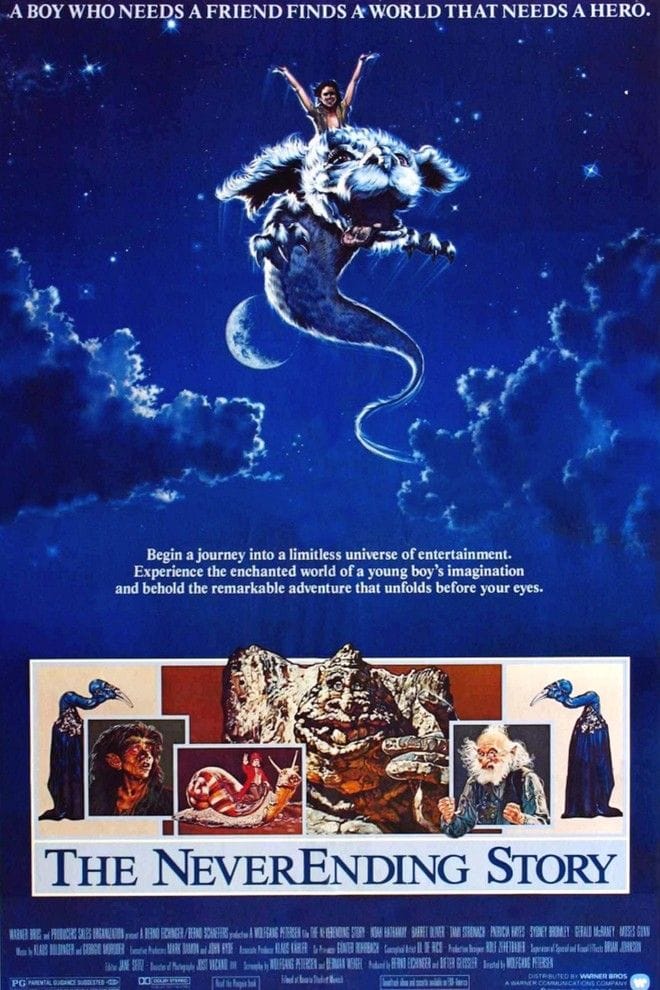
The name of the horse from The Neverending Story is Artax. For an entire generation of moviegoers, this isn’t just a piece of trivia; it’s a name that conjures a profound and often first-time cinematic experience with grief, loss, and the crushing weight of despair. The 1984 fantasy epic, directed by Wolfgang Petersen, is filled with wondrous creatures and imaginative landscapes, but it is the fate of a single, loyal horse that remains seared into our collective memory. Artax was more than just a mount for the young hero Atreyu; he was his confidant, his partner, and a symbol of their shared innocence. His journey through the Swamps of Sadness is one of the most powerful and heartbreaking scenes in children’s film history, a moment that taught us about the difficult truth that sometimes, even our strongest companions can be lost to the darkness.
This story goes beyond a simple fantasy quest. It delves into deep emotional territories, and the journey of Atreyu and Artax is central to its message. Understanding the horses name in the neverending story is to understand a pivotal moment in film that shaped how we talk about complex emotions in family-friendly entertainment.
Who Was Artax: Atreyu’s Loyal Companion
Artax was the beautiful and courageous white horse of Atreyu, the young warrior tasked with finding a cure for the ailing Childlike Empress and stopping The Nothing from consuming their world of Fantasia. In the film, Artax is not just a mode of transportation but a character in his own right. He is depicted as intelligent, steadfast, and deeply connected to his rider. Their bond is established early on, a silent understanding passing between boy and horse that speaks of years of companionship.
Artax represents strength, courage, and the pure spirit of innocence that Atreyu carries with him on his great quest. He is a source of comfort and stability for the young hero in a world rapidly falling apart. This deep connection is what makes his eventual fate so utterly devastating, both for Atreyu and for the audience watching. The horse is a physical manifestation of Atreyu’s own hope and willpower, and their journey together is a testament to the power of friendship in the face of overwhelming odds.
The Unforgettable Scene: The Swamp of Sadness
The most infamous sequence involving Artax takes place in the Swamps of Sadness. Atreyu is warned that the swamp preys on despair; those who let sadness and grief overwhelm them will be pulled down into the murky depths, unable to move. Atreyu, focused on his mission, presses on with Artax by his side. But as they wade deeper, the swamp begins to affect the noble steed. Artax slows, then stops completely, the weight of the world’s sorrow becoming too much for him to bear.
What follows is a scene of raw, desperate emotion. Atreyu, initially confused, begins to plead, beg, and scream at his friend to move, to fight the encroaching sadness. He pulls at the reins, his voice cracking with fear and love, shouting, “Artax, please! You’re my friend! I love you!” But Artax cannot fight it. He sinks slowly, inexorably, into the mud, his eyes filled with a quiet resignation as Atreyu watches, helpless and heartbroken. This moment is a brutal lesson in the nature of depression and despair—an invisible force that can paralyze even the strongest of spirits, regardless of how much they are loved.
The Deeper Meaning Behind Artax’s Fate
Why did Artax have to die? On a narrative level, his death serves a crucial purpose in Atreyu’s development. It strips the young hero of his last comfort, forcing him to confront the true nature of his quest alone. It is a rite of passage, thrusting Atreyu from childhood innocence into a harsh reality where love and willpower are not always enough. This tragic event steels his resolve, fueling his determination to defeat The Nothing, which is itself a manifestation of hopelessness and apathy. The loss of Artax makes the stakes of the quest deeply personal.
Symbolically, Artax’s death represents the loss of innocence and the struggle against despair. The Swamp of Sadness is a powerful metaphor for depression.
“The swamp is a literal representation of an emotional state,” explains Dr. Eleanor Vance, a child psychologist and media analyst. “Artax’s death teaches a difficult but vital lesson: that sadness is a powerful force that can consume you if you let it. Atreyu survives because his quest—his sense of purpose—pulls him through. For many children watching, it was their first exposure to the idea that sadness wasn’t just a fleeting feeling but a tangible danger.”
The scene resonates so deeply because it’s a universal fear made real. Everyone, at some point, has felt the pull of sadness or watched a loved one struggle. Artax’s surrender to the swamp is a haunting visualization of what it means to give up hope. For many, remembering what’s the horses name in the neverending story is synonymous with remembering this profound lesson.
The Lasting Cultural Impact of a Horse Named Artax
Decades after the film’s release, the death of Artax remains a touchstone cultural moment. It is frequently cited in lists of the most traumatic scenes in children’s movies, alongside moments from films like Bambi and The Lion King. The scene has been parodied and referenced in countless other media, a testament to its enduring power. For many, it was a formative experience that introduced them to the emotional depth that storytelling could achieve.
The conversation about Artax continues today, with new generations discovering the film and experiencing the same shock and sorrow. It sparks discussions about how we introduce children to difficult themes like death and depression. While heartbreaking, the scene is also praised for its honesty. It doesn’t shy away from the pain of loss, and in doing so, it provides a safe space for young viewers to process complex emotions. The story ultimately offers a message of resilience; Atreyu continues his quest, proving that even after the most devastating loss, one must find the strength to go on. This powerful legacy ensures that the answer to “what is the horses name in the neverending story” will never be forgotten.
Behind the Scenes of the Swamp
The filming of the Swamp of Sadness scene was famously difficult for all involved, including the young actor Noah Hathaway (Atreyu) and the horse playing Artax. The set was a cold, muddy tank, and the scene took weeks to shoot. Reports from the production reveal the immense physical and emotional toll it took. The horse was placed on a descending hydraulic platform to create the sinking effect, a technically challenging and stressful process. Hathaway’s raw and emotional performance was undoubtedly fueled by the genuine discomfort and intensity of the filming conditions, making Atreyu’s on-screen desperation feel startlingly real. This behind-the-scenes context only adds another layer to the scene’s power, knowing that real struggle went into creating this fictional tragedy. The conversation about the name of the horse that died in neverending story often includes these fascinating production details.
Frequently Asked Questions About Artax
What is the name of the horse in The Neverending Story?
The horse’s name is Artax. He is the loyal companion of the main hero, Atreyu, and his death in the Swamp of Sadness is one of the most memorable and emotional scenes in the film.
What breed of horse was Artax?
Artax was played by two different horses. The primary horse was a purebred Andalusian, a breed known for its beauty, strength, and noble appearance, which perfectly suited the character of a hero’s steed in a fantasy world.
Why did Artax die and Atreyu survive the Swamp of Sadness?
The Swamp of Sadness consumes those who give in to sadness and despair. Artax, being a pure and innocent creature, was unable to resist the overwhelming sorrow of the swamp and succumbed to it. Atreyu, while devastated, was protected by his mission and the Auryn amulet, which gave him purpose and the strength to push through his grief.
Does Artax come back to life?
In the movie, Artax is not explicitly shown to be revived. However, at the end of the film, when Bastian wishes for Fantasia to be restored, all the creatures and landscapes that were destroyed by The Nothing are brought back. It is implied that Artax is restored along with the rest of Fantasia, and he is briefly seen running free in a field.
How did they film the Artax sinking scene?
The scene was filmed in a specially constructed tank using a hydraulic platform. The horse stood on this platform, which was slowly lowered into the muddy water to create a safe and controlled sinking effect. Despite the safety measures, it was a very challenging and stressful scene to film for both the horse and the young actor.
A Legacy of Love and Loss
The story of Artax is a powerful reminder of the deep bonds we form with animals and the profound impact they have on our lives. His character, though brief, provides one of the most emotionally resonant arcs in fantasy cinema. He represents innocence, loyalty, and the heartbreaking reality that some battles cannot be won. The memory of Atreyu’s desperate cries in the swamp has stayed with audiences for decades, a testament to the film’s bold storytelling.
Ultimately, the legacy of Artax is not just one of sadness, but of resilience. His loss is the catalyst that propels Atreyu forward, teaching him—and us—that even in the face of unbearable grief, the story must go on. The name of the horse from The Neverending Story is Artax, and his tale is a timeless and essential lesson in hope, despair, and the enduring power of friendship.
