
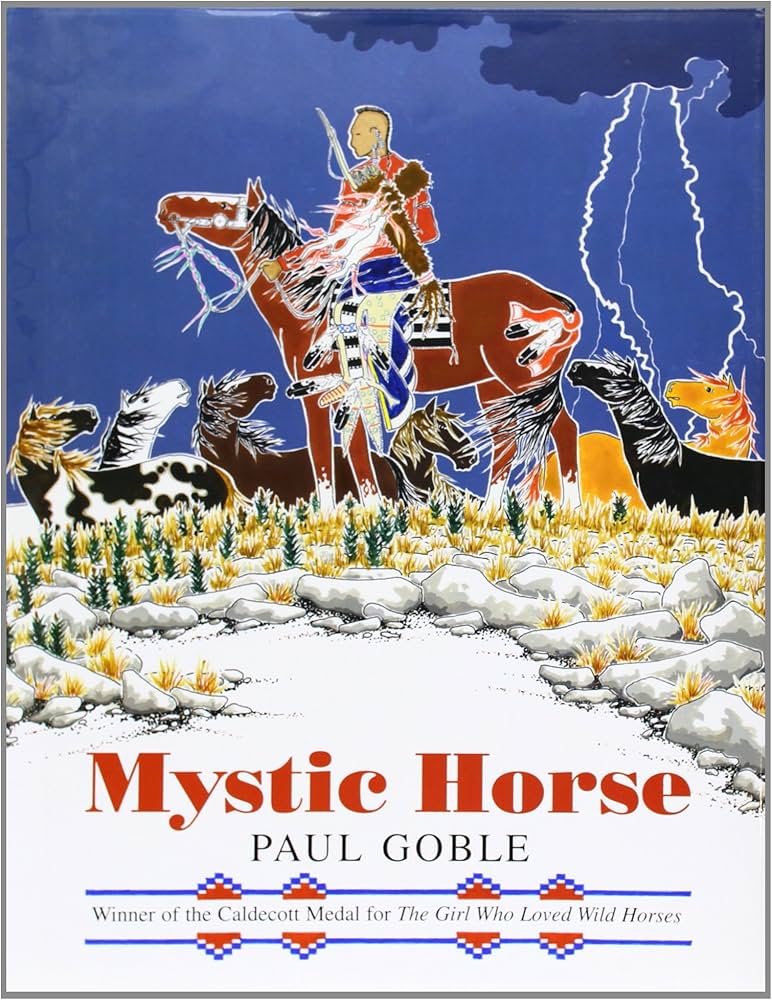
The horse has galloped alongside humanity for millennia, not just as a companion in work and war, but as a powerful symbol in our collective imagination. The enduring allure of a good Mystic Horse Story speaks to a deep-seated fascination with these creatures, who often represent freedom, power, and a bridge to the spiritual world. From the winged Pegasus soaring through the heavens to the ethereal unicorn hidden deep within an enchanted forest, these legends are more than mere tales; they are reflections of our own hopes, fears, and untamed desires. They capture the essence of what it means to be wild, noble, and touched by magic.
Understanding the deep connection between man and equine is a journey in itself, one that shares parallels with the story horse meaning found in various cultures. These narratives have been passed down through generations, evolving with each telling but always retaining their core magic. They invite us to look beyond the physical world and consider the powerful forces that shape our destinies, often with a loyal, otherworldly steed to guide the way.
The Ancient Roots of the Mystic Horse Story
The spiritual significance of the horse is not a recent invention. Its origins trace back to prehistoric times when early humans painted majestic equine figures on cave walls. These were not just depictions of animals they hunted; they were icons of power, vitality, and survival. As civilizations rose, the horse was often deified, becoming a central figure in the pantympleons of gods and goddesses. In many cultures, horses were seen as psychopomps—creatures capable of traveling between the physical and spiritual realms, guiding souls on their final journey.
This divine association cemented the horse’s role in mythology. The Greeks gave us Pegasus, the winged stallion born from the blood of Medusa, whose hoof strike could create springs of inspiration. He was a symbol of poetic genius and divine connection, a creature of the heavens. Similarly, Hindu mythology features Uchchaihshravas, a seven-headed, flying white horse that emerged during the churning of the milk ocean, becoming the divine steed of Indra, the king of the gods. These early tales established the horse not just as a creature of earth, but as a being of immense cosmic and spiritual importance.
Mythical Horses From Around the World
While figures like Pegasus are universally recognized, nearly every culture boasts its own unique mystic horse story. These legends offer a fascinating glimpse into the values and fears of the societies that created them, from tales of noble companions to warnings of treacherous spirits.
The Unicorn: A Symbol of Purity and Grace
Perhaps no mythical equine is more beloved than the unicorn. Traditionally depicted as a white horse with a single, spiraling horn upon its forehead, the unicorn has been a symbol of purity, innocence, and untamed wildness for centuries. Legends claim its horn could neutralize poison and heal sickness, making it a creature of immense power and value. In medieval lore, it was said that only a virgin could tame the elusive beast, reinforcing its connection to purity. The unicorn’s story is one of gentle magic, a reminder that true power often lies in grace and virtue rather than brute force.
The Kelpie and Water Horses: Darker Legends
Not all mystic horse stories are about noble steeds. The folklore of Scotland and Ireland is haunted by the Kelpie, a malevolent water spirit that often takes the form of a beautiful horse standing near a river or loch. Its glistening coat and tame demeanor are a trap. Anyone who mounts the Kelpie finds their hands stuck to its hide as it leaps into the water, dragging its victim to a watery grave. These tales served as cautionary warnings, teaching children and travelers to be wary of the beautiful but dangerous forces of nature. The Kelpie represents the dark side of the mystic horse archetype—wildness that cannot and should not be tamed. The powerful and often misunderstood nature of these creatures is also explored in many a black horse story, where color symbolizes mystery and untamed power.
Sleipnir: The Eight-Legged Norse Steed
In Norse mythology, Odin, the Allfather, rides Sleipnir, a mighty gray stallion with eight legs. Born of the trickster god Loki, Sleipnir is no ordinary horse. His eight legs symbolize incredible speed, allowing him to gallop over land, sea, and through the air. He is Odin’s trusted mount, capable of carrying him between the Nine Worlds, from the realm of the gods in Asgard to the underworld of Hel. Sleipnir is the ultimate shamanic steed, a symbol of the vast, interconnected cosmos and the ability to traverse different states of consciousness. He represents the journey of the soul and the boundless exploration of wisdom.
Dr. Alistair Finch, a mythology scholar, notes, “The persistence of the horse in global mythology is no accident. As creatures that granted humans unprecedented speed and power, they naturally became symbols of divine might and spiritual journeying. A mystic horse story is often a metaphor for humanity’s own quest for transcendence.”
What is the Spiritual Meaning of a Mystic Horse Story?
The spiritual meaning of a mystic horse story is about tapping into personal power, freedom, and intuition. These tales encourage us to embrace the untamed aspects of our own spirit and to trust our instincts as we navigate life’s journey. The horse, in its mystical form, represents the vehicle for this journey, a powerful ally that helps us overcome obstacles and connect with a higher purpose.
These stories teach us that true strength is a combination of wild spirit and disciplined will. Whether it’s the purity of the unicorn or the shamanic power of Sleipnir, each mystic horse embodies a different facet of this spiritual quest. They remind us that there is a world beyond what we can see, a realm of magic and potential that we can access if we are brave enough to take the reins. For those interested in exploring these themes further, many excellent horse story books delve into these very legends.
The Enduring Legacy in Modern Fantasy
The archetypes established by ancient myths continue to thrive in modern culture, particularly in fantasy literature and film. From the Shadowfax in The Lord of the Rings, a noble steed as wise and swift as the wind, to the Thestrals in Harry Potter, winged horses visible only to those who have seen death, the mystic horse story remains a powerful narrative device. These modern interpretations continue to explore classic themes of loyalty, courage, and the connection between the human and natural worlds.
Authors and creators draw upon this rich well of mythology to craft new legends. They remind us that the desire for a magical companion, a guide through dark and dangerous lands, is a timeless human longing. These stories allow us to experience the thrill of galloping across impossible landscapes and the profound bond that can form between a rider and their otherworldly steed. This tradition is a testament to the power of these tales, a tradition also seen in the popular genre of horse stories books that continue to capture the imaginations of readers everywhere.
Frequently Asked Questions about Mystic Horses
What is the most famous mystic horse?
While there are many famous mythical horses, Pegasus from Greek mythology is arguably the most widely recognized. As a symbol of inspiration and freedom, the image of the white winged stallion has appeared in art, literature, and culture for thousands of years.
Are mystic horses always good?
No, mystic horses are not always benevolent. While creatures like the unicorn symbolize purity and good, figures like the Kelpie from Scottish folklore are malevolent spirits that lure humans to their doom. This duality represents the dual nature of power—it can be creative and protective, or destructive and dangerous.
What does dreaming of a mystical horse mean?
Dreaming of a mystical horse, such as a winged horse or a unicorn, is often interpreted as a positive omen. It typically symbolizes personal power, freedom, creativity, and spiritual awakening. The dream may be encouraging you to pursue your goals with confidence and to trust your intuition.
Do all cultures have a mystic horse story?
While not every single culture has a specific horse-centric myth, equine figures are incredibly widespread in the folklore of civilizations where horses were historically significant. From Europe and Asia to the Middle East, powerful and magical horses appear in countless legends, reflecting the animal’s global impact on human society.
Where can I learn more about mythical creatures?
You can learn more about mythical creatures by exploring books on mythology and folklore, visiting museum exhibits on ancient cultures, and browsing reputable online encyclopedias and databases dedicated to mythology. University websites and historical archives are also excellent sources of information.
The Gallop That Never Ends
The mystic horse story is a timeless narrative that continues to captivate and inspire. These tales of magical equines are more than just enchanting fantasies; they are powerful metaphors for the human journey. They represent our quest for freedom, our struggle with the untamed forces of nature and our own spirits, and our deep-seated belief that there is a magic in the world waiting to be discovered.
From the sun-drenched peaks of Mount Olympus to the misty lochs of Scotland, the hoofbeats of these legendary creatures echo through our collective history. They remind us of the profound bond we share with the animal kingdom and the limitless possibilities of the imagination. As long as there are stories to be told, the mystic horse will continue its gallop, forever carrying us toward horizons of wonder and adventure. Embracing this rich tapestry of a mystic horse story is to connect with an ancient and powerful part of ourselves.
