
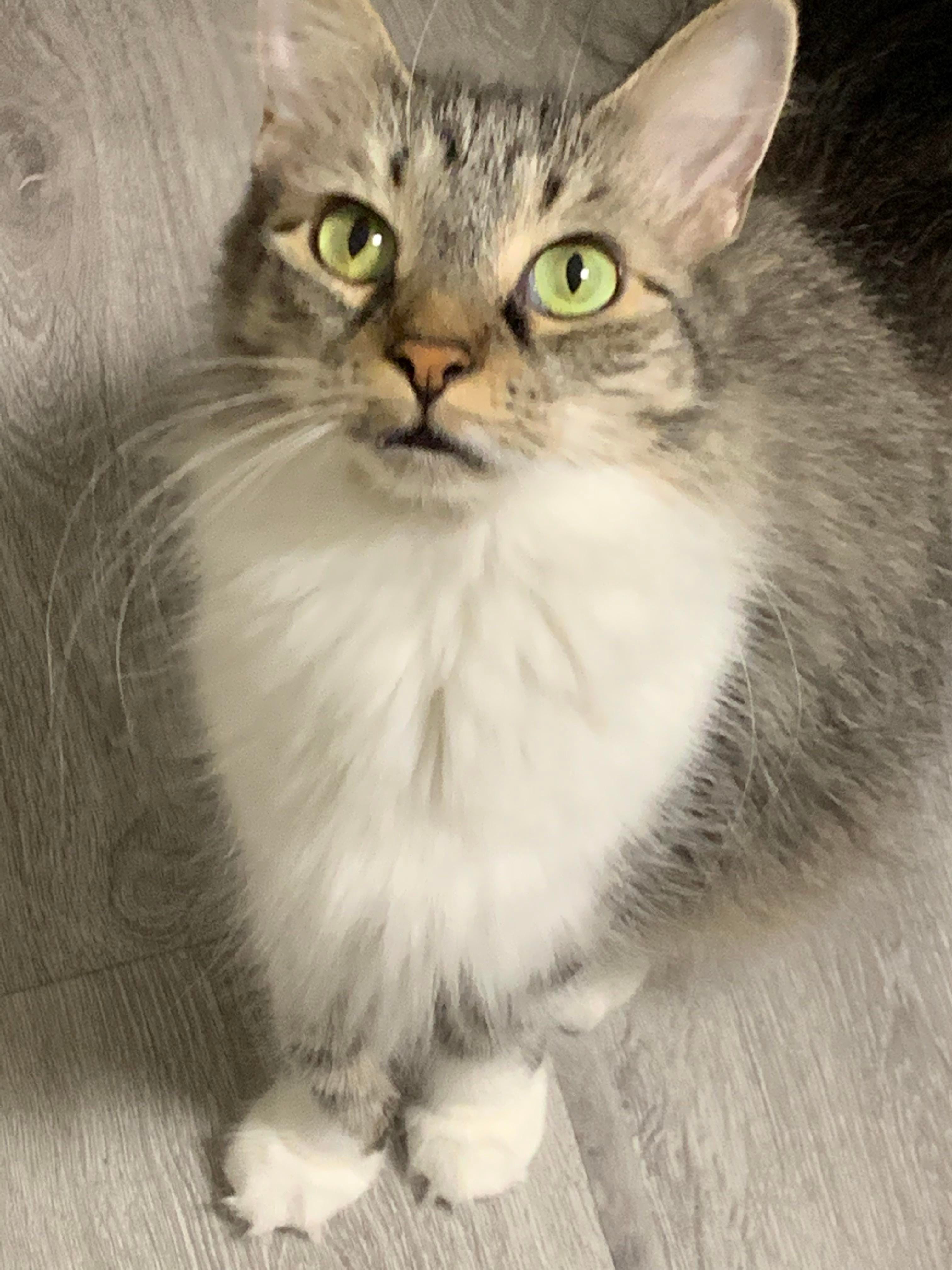
Kittens often cry to communicate their needs to their mother, and as they grow, they learn to vocalize towards humans. While some meowing is normal, excessive vocalization can be concerning for cat owners. Understanding the reasons behind this behavior is the first step to addressing it and restoring peace in your home. This guide explores common causes for excessive meowing in both kittens and adult cats, offering practical solutions to help calm your feline companion.
Understanding Excessive Vocalization in Cats
Vocalization is a natural form of communication for cats. Kittens meow to signal hunger or cold, and this behavior often transitions to adult cats directing their meows towards their human companions for various reasons – to greet, seek attention, or indicate discomfort. Some breeds, like Siamese cats, are inherently more vocal. Cats also “yowl,” a deeper, more drawn-out sound often used during heat cycles or as a territorial warning. While a certain level of vocalization is normal, significant increases can be triggered by environmental changes, stress, hormonal shifts, or underlying health issues.
Reasons Why Your Kitten Keeps Meowing
Kittens meow for a variety of reasons, often stemming from their developmental stage and dependence on their caregivers.
Seeking Attention
The most frequent cause of excessive meowing in kittens is attention-seeking. They quickly learn that loud vocalizations elicit a response from their owners, whether it’s food, play, or petting. This positive reinforcement solidifies the behavior, making them believe meowing is an effective way to get what they want.
Pain and Discomfort
Kittenhood involves significant physical changes, such as teething, which can be a source of pain and sensitivity. Between two and four weeks old, their 26 baby teeth begin to emerge, eventually replaced by 30 adult teeth by six months. Additionally, kittens are prone to accidents around the home that may go unnoticed. It is crucial to consult a veterinarian to rule out any serious injuries or illnesses. Kitten-proofing your home can help prevent future accidents.
Litter Box Dissatisfaction
Kittens can be particular about their litter box. Issues such as a dirty litter box, the type of substrate used, or an inadequate size can lead to frustration and dissatisfaction, resulting in vocalizations when they approach or use the box.
Stress and Environmental Changes
Sudden changes in a kitten’s environment can induce stress. Moving to a new home, the introduction of new furniture, or even rearranging their existing space can be unsettling for young cats, leading to increased crying.
How to Calm a Crying Kitten
Addressing a crying kitten requires patience and understanding of the underlying cause.
- For attention-seeking: Try to ignore the meowing initially. Reward your kitten with affection or a treat only after they have been quiet for a short period. This teaches them that quiet behavior is more effective in gaining attention.
- For teething discomfort: Offer kitten-safe dental chews to alleviate pain. If you notice red, swollen gums or discharge, seek veterinary advice immediately, as medical treatment may be necessary.
- For litter box issues: Ensure the litter box is clean and appropriately sized for your growing kitten. If problems persist, consult your veterinarian to rule out medical conditions like urinary tract infections.
- For stress: Provide a safe and quiet space where your kitten can retreat and feel secure. This helps them adjust to their new surroundings and learn to self-soothe, gradually reducing excessive crying.
Why Is Your Adult Cat Meowing So Much?
As cats mature, their vocalizations may continue for reasons similar to kittens, but also for new ones specific to adulthood.
Communicating Needs
The primary driver for adult cat meowing remains communication. Cats often meow to request food, water, or access to their litter box.
Boredom or Loneliness
Indoor cats, in particular, may meow excessively due to boredom or a lack of stimulation. This can stem from their unmet predatory instincts. If a cat meows incessantly despite adequate playtime, it could signal underlying health issues like kidney disease or thyroid problems.
Feeling Threatened or Insecure
A cat that feels threatened or insecure may vocalize excessively as a self-protective measure or to defend its territory. This is often observed when a new pet is introduced to the household.
Health Problems and Pain
Cats are adept at masking discomfort, but significant pain from illness or injury can lead to increased meowing or yowling. Elderly cats are especially susceptible to excessive vocalization due to age-related issues like sensory decline or cognitive dysfunction. Consulting a veterinarian is essential to diagnose and treat any health-related causes.
Being in Heat
Female cats typically enter their first heat cycle between six and ten months of age. During this period, they may become more affectionate and vocal, often meowing excessively to attract a mate. Male cats may yowl at night, responding to the presence of a female in heat. Heat cycles usually last four to ten days and recur every two to three weeks unless pregnancy occurs. While more common seasonally, indoor cats can experience heat year-round.
How to Get Your Cat to Stop Meowing Excessively
Managing excessive meowing involves understanding your cat’s needs and consistently applying appropriate responses.
- Accept and Adapt: Recognize that some cats are naturally more vocal. While you can’t silence them completely, aim to understand their communication rather than be annoyed by it.
- Avoid Reinforcing Behavior: Do not feed your cat or provide attention immediately when they meow excessively, especially if it’s for food. Ensure basic needs like water and a clean litter box are met, but withhold rewards for demanding vocalizations. This prevents overfeeding and associated health problems like obesity.
- Consistent Ignoring: Reacting to your cat’s loud meows, even with negative attention like scolding, can reinforce the behavior. Instead, calmly ignore them until they quiet down.
- Increase Stimulation: Combat boredom and loneliness by dedicating more time to interactive play with toys like wand toys or balls. Introducing new toys or simple items like boxes can also provide novel stimulation. Varying playtime routines can keep your cat engaged.
- Veterinary Check-ups: If your cat’s vocalization suddenly increases, a veterinary check-up is crucial to rule out underlying health issues, particularly in senior cats experiencing sensory or cognitive decline.
- Spaying or Neutering: For intact cats, spaying or neutering can significantly reduce vocalizations associated with heat cycles. This procedure also offers numerous health benefits, including preventing uterine infections, certain cancers, and unwanted pregnancies, while also helping to control pet overpopulation. Spaying costs can range from $300 to $500, and pet insurance or wellness plans may help cover these expenses.
Enrolling your cat in a pet insurance plan can provide financial security for unexpected veterinary costs throughout their lifetime. Resources like Pawlicy Advisor can assist in comparing various pet insurance plans to find the most suitable option for your cat’s needs and your budget.
Key Takeaways
Excessive meowing in cats is often a learned behavior reinforced by owners, or a sign of underlying issues. Calmly ignoring attention-seeking meows and rewarding quiet behavior is effective. Sudden increases in vocalization warrant a veterinary examination to rule out medical conditions. Pet insurance can help manage the costs of veterinary care, ensuring your cat receives necessary treatment for accidents, illnesses, and preventive services.
