
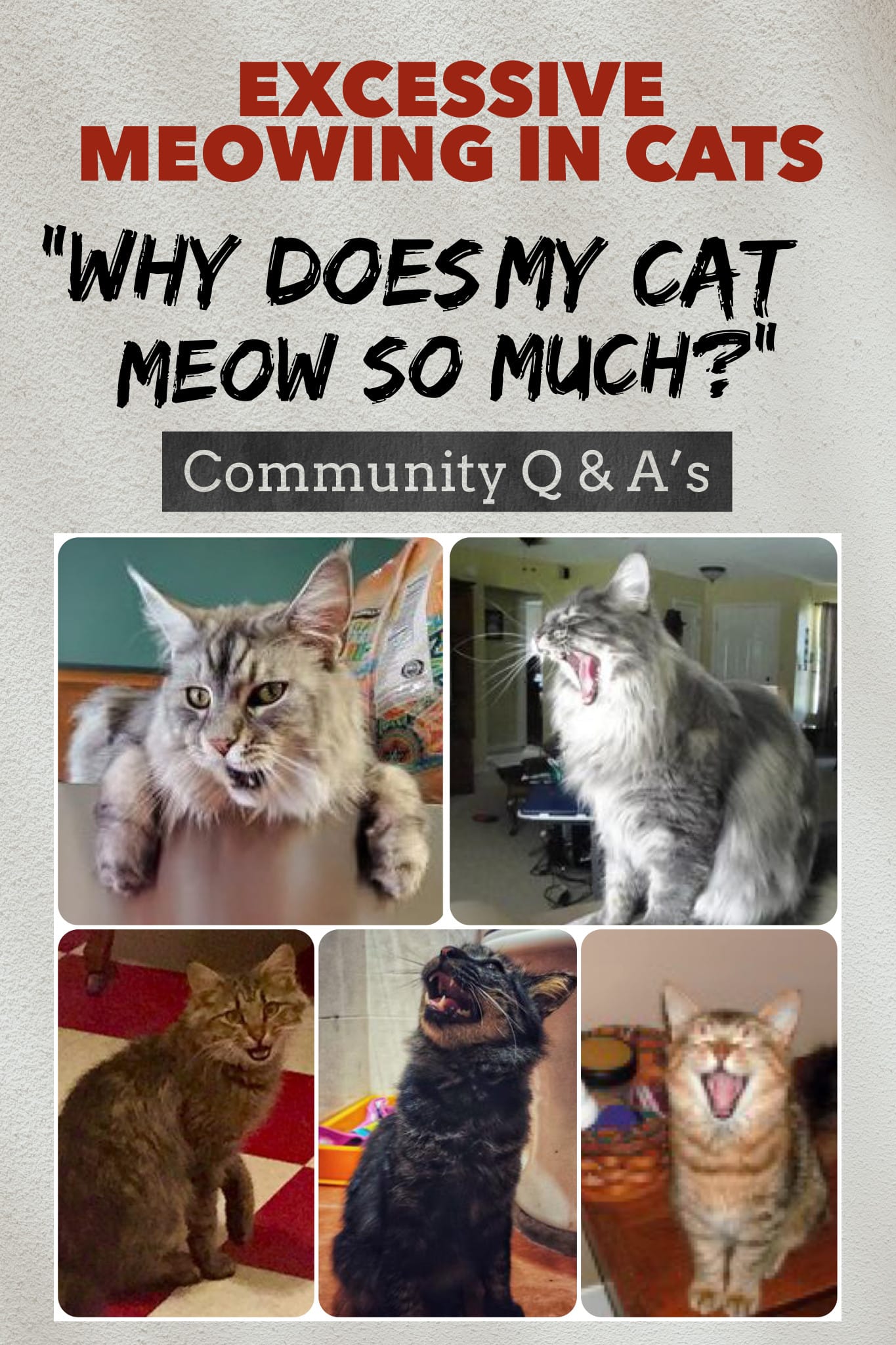
Cats meow for a variety of reasons, often to get their human’s attention. They quickly learn that vocalizing is an effective way to communicate their needs and desires. If you’ve noticed a sudden increase in your feline friend’s meowing, understanding the underlying causes is the first step to addressing this behavior. This guide explores the common reasons behind excessive meowing and when it’s time to consult a veterinarian.
Understanding Feline Vocalization
Meowing is a primary form of communication that cats use with humans, and sometimes with other animals. While kittens meow to their mothers, adult cats primarily reserve this vocalization for interacting with people. Therefore, an increase in meowing often indicates your cat is trying to tell you something.
Common Causes of Excessive Meowing
Identifying why your cat is meowing excessively involves a bit of detective work. Here are some potential reasons:
- Pain or Discomfort: Cats in pain may become restless and vocalize more. Sharp, piercing cries could indicate significant discomfort. For insights into recognizing pain in cats, you can explore resources on how to tell if your cat is in pain.
- Urinary Tract Issues: While some cats vocalize after using the litter box, others may meow around or in the box if they experience discomfort during urination or defecation.
- Kidney Disease: Though not the most common cause, cats with kidney disease can become more restless and vocal. Other signs may include decreased appetite and increased thirst and urination.
- Hyperthyroidism: This condition, common in senior cats, leads to an overactive thyroid. Affected cats can be restless and exceptionally vocal, sometimes accompanied by secondary hypertension.
- Hypertension (High Blood Pressure): Similar to hyperthyroidism, high blood pressure in cats can also lead to increased and incessant meowing.
- Feline Cognitive Dysfunction: As cats age, they can develop a syndrome similar to Alzheimer’s in humans, leading to behavioral changes like persistent meowing.
- Sensory Impairment: Cats experiencing deafness or blindness may become more vocal as they rely less on these senses. Deaf and blind cats often meow loudly and repeatedly.
- Hunger or Thirst: A hungry cat will meow to get your attention, often leading you towards their food bowl or storage area. Similarly, a thirsty cat might meow near their water source, especially if the bowl is empty or dirty.
- Loneliness or Boredom: While less common than in dogs, some cats meow due to loneliness or boredom, seeking attention and interaction.
- Stress or Fear: It’s common for cats to meow when they are stressed or frightened, such as during a car ride to the veterinarian. This can sometimes be accompanied by hissing.
- Breed Tendencies: Some cat breeds are naturally more vocal than others. Siamese, Bengals, Sphynx, and Tonkinese breeds are known for their chattiness.
- Mating Behavior: Unspayed female cats in heat can be extremely vocal, emitting ear-piercing screams known as caterwauling. Similarly, unneutered males will yowl when seeking a mate.
- Seeking Attention: Many cats use meowing as a greeting and a way to solicit attention, expecting a response from their owners.
- Learned Behavior: If a cat learns that meowing results in getting what they want, it can become a reinforced, learned behavior.
- Dirty Litter Box: Cats may vocalize to express their displeasure with a dirty litter box, sometimes meowing after use.
Nocturnal Meowing and Kitten Vocalization
Why Does My Cat Meow at Night?
Cats are crepuscular, meaning they are most active at dawn and dusk. This natural inclination can lead to early morning wake-up calls. Nighttime meowing can stem from boredom, frustration, or a desire for food or attention. It’s crucial not to reward this behavior by immediately fulfilling their demands, as this reinforces the meowing. Health issues like hypertension, hyperthyroidism, and cognitive dysfunction can also contribute to nighttime vocalization.
Why Is My Kitten Meowing So Much?
Kittens typically meow more than adult cats as they are still developing their communication skills. Their vocalizations often signal basic needs like hunger, a desire for play, or a need for attention. If a kitten seems distressed and cannot be soothed, a veterinary check-up is advisable to rule out pain or illness.
Specific Meowing Scenarios
Why Is My Cat Always Hungry and Meowing?
Persistent hunger and meowing, especially if accompanied by weight loss, can indicate a medical condition such as hyperthyroidism, diabetes, kidney disease, or hypertension, particularly in middle-aged or older cats. These cats require veterinary attention.
Why Is My Cat Meowing Differently?
A sudden change in meow tone, such as a hoarse sound, often points to an upper respiratory infection, similar to a cold in humans. Other causes can include laryngitis, laryngeal paralysis, or tumors. Any significant change in your cat’s vocalization warrants a veterinary examination to determine the cause.
Why Is My Male Cat Meowing Loudly?
Unneutered male cats often meow or yowl when seeking a mate. Neutering typically resolves this hormone-driven behavior. If your cat is not neutered, this procedure may help reduce excessive meowing.
Addressing Excessive Meowing
What To Do if Your Cat Won’t Stop Meowing
- Ensure Basic Needs Are Met: Confirm your cat has adequate food, clean water, a clean litter box, opportunities for exercise, and sufficient attention. For cats particular about water cleanliness, a water fountain might be beneficial.
- Rule Out Stress and Pain: Assess your cat for any signs of distress or discomfort. A veterinary visit is recommended for sudden behavioral changes, including increased meowing.
- Do Not Reward the Behavior: If you’ve confirmed all needs are met and suspect attention-seeking, do not respond to the meowing. Ignore the vocalization and offer attention once your cat is quiet. Scolding or punishing your cat is counterproductive and can damage your bond. [cite:3,cite:4]
Questions to Ask if Your Cat Keeps Meowing
- Timing: When does the meowing occur? Are there specific triggers, like your return home or nighttime?
- Location: Does the meowing happen in a particular place, such as near the litter box, a toy, or the door?
- Reproductive Status: Is your cat spayed or neutered?
- Breed: Is your cat a breed known for being vocal?
- Litter Box Cleanliness: Is the litter box regularly cleaned?
- Food and Water Access: Does your cat have constant access to food and fresh water?
- Playfulness: Does your cat present toys or seem to want to play?
When to Seek Veterinary Care
Consult a veterinarian immediately if:
- Your unneutered male cat meows loudly and strains to urinate, as this could indicate a life-threatening urinary blockage.
- Your cat appears to be in distress or pain, or is panting with their mouth open while meowing.
- You notice additional symptoms like weight loss, changes in appetite, altered behavior, or changes in urination habits.
If you cannot identify a cause for excessive meowing or a change in your cat’s vocalizations, contact your veterinarian. Trust your instincts if you feel something is wrong.
Veterinary Diagnosis and Treatment
Veterinarians will typically ask detailed questions, perform a thorough physical examination, and review your cat’s medical history. Blood work and urinalysis may be recommended to rule out medical conditions. For behavioral issues, your vet might suggest calming pheromones, supplements, medication, behavior modification techniques, or increased environmental enrichment. [cite:9,cite:8]
Written by: Sandra C. Mitchell, DVM, DABVP
References:
