
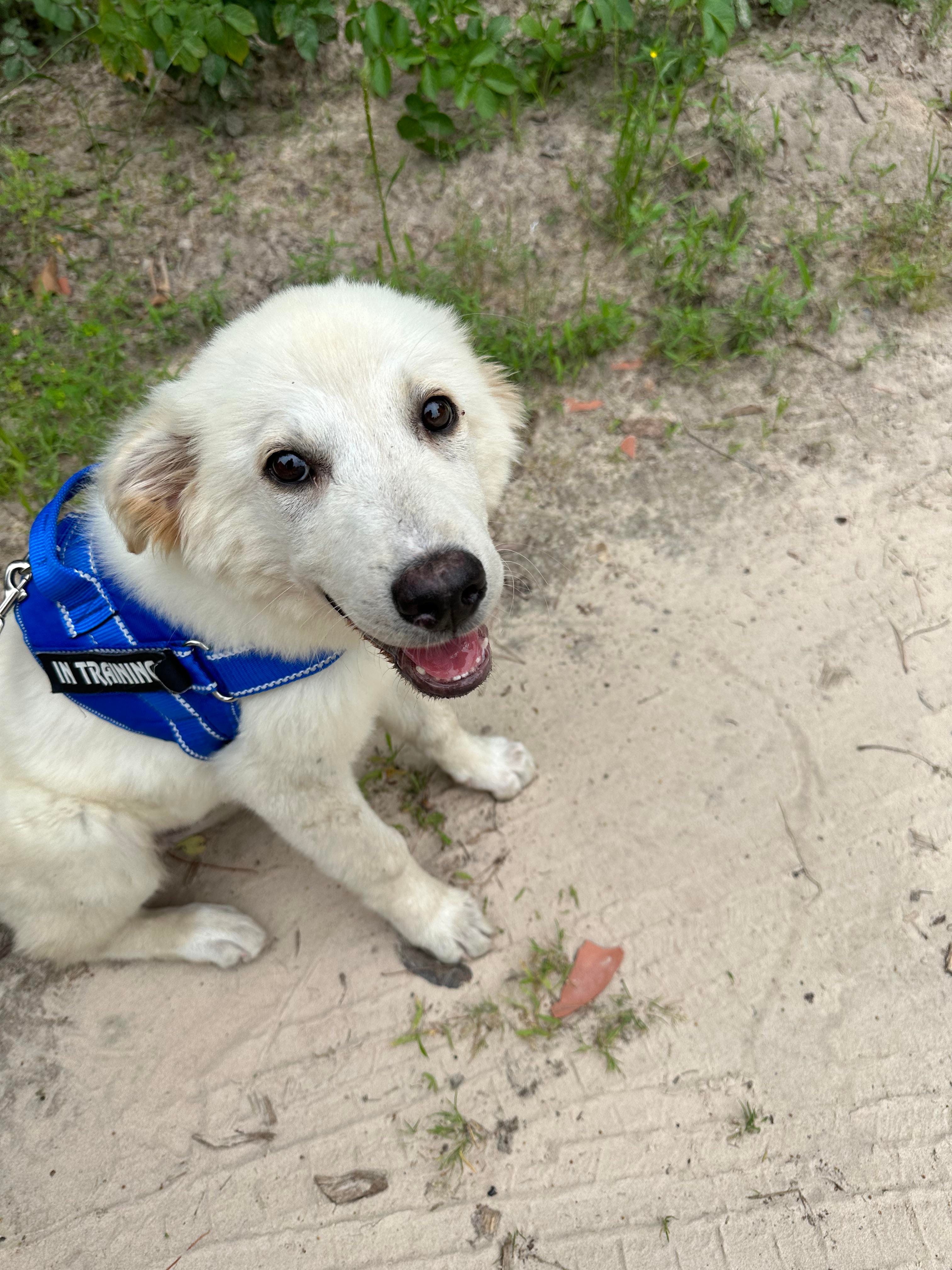
Bringing a new puppy home is an exciting time, but it often comes with unexpected challenges, especially when it comes to house training. This is particularly true for breeds like the Great Pyrenees, known for their independent and sometimes stubborn nature. This article addresses the common house training difficulties faced by owners of Great Pyrenees puppies and offers practical, E-E-A-T-backed advice to help you achieve success.
Understanding Great Pyrenees Temperament and Training
Great Pyrenees are large, majestic dogs historically bred for guarding livestock. This heritage contributes to their independent thinking and strong will, which can make traditional training methods less effective. While intelligent, they may not always display the same eagerness to please as other breeds. This is not a reflection of their trainability but rather their inherent nature. Recognizing and respecting this characteristic is the first step in successful training.
Overcoming Persistent Potty Training Accidents
A common issue is a puppy that continues to have accidents indoors even after initial positive reinforcement for pottying outside. This can stem from various factors, including prolonged diarrhea that created a habit of eliminating indoors, or a lack of consistent reinforcement and supervision.
Establishing a Consistent Potty Routine
Consistency is paramount. Take your puppy outside frequently – at least every two hours, and immediately after waking up, after meals, and after play sessions. When they eliminate outside, offer immediate praise and a high-value treat. If you catch your puppy in the act of eliminating indoors, interrupt them with a calm, neutral sound and immediately take them outside. Avoid any punishment, as this can create fear and anxiety, making training more difficult.
Effective Indoor Cleaning
Accidents are inevitable, but how you clean them up is crucial. Use an enzymatic cleaner specifically designed for pet stains. These cleaners break down the odor molecules that attract your dog back to the same spot. Avoid ammonia-based cleaners, as they can smell like urine to dogs and encourage remarking.
Addressing Crate Training Difficulties
For Great Pyrenees puppies prone to barking, crate training can be especially challenging. If your puppy barks incessantly when confined, it may indicate anxiety or a lack of understanding that the crate is a safe space.
Making the Crate a Positive Space
Introduce the crate gradually. Feed your puppy meals inside the crate with the door open. Offer special chew toys only when they are in the crate. Start with short periods of confinement, gradually increasing the duration as your puppy becomes more comfortable. Never use the crate as a form of punishment.
Managing Destructive Behaviors and Leash Training
Beyond house training, Great Pyrenees puppies can exhibit destructive behaviors like chewing. Leash training can also present unique hurdles with this breed.
Redirecting Chewing and Destructive Habits
Ensure your puppy has plenty of appropriate chew toys. If you catch them chewing on something they shouldn’t, redirect them to an acceptable toy. Providing sufficient physical and mental exercise can also significantly reduce destructive behaviors.
Patience with Leash Training
Great Pyrenees can be strong-willed, and leash training requires patience. If your puppy resists walking on a leash indoors, it might be helpful to associate the leash with positive experiences, such as meal times or short play sessions in a controlled environment. If they become stubborn, avoid dragging them, as this can create negative associations. Instead, try engaging them with a toy or a happy tone of voice to encourage movement. Remember, consistency and positive reinforcement are key to overcoming these training challenges.
For further guidance on specific behavioral issues like jumping, you might find these resources helpful: how to stop a dog from jumping up on guests, how to teach a dog not to jump on visitors.
Conclusion: A Journey of Patience and Consistency
Training a Great Pyrenees puppy requires a deep understanding of their breed-specific traits, a significant amount of patience, and unwavering consistency. While challenges like house-training accidents, crate barking, and leash resistance are common, they are not insurmountable. By implementing positive reinforcement, establishing clear routines, and seeking expert advice when needed, you can build a strong bond with your Great Pyrenees and enjoy a well-behaved companion. If you’re struggling with persistent behavioral issues and require personalized guidance, consider reaching out to professional trainers for tailored solutions.
