
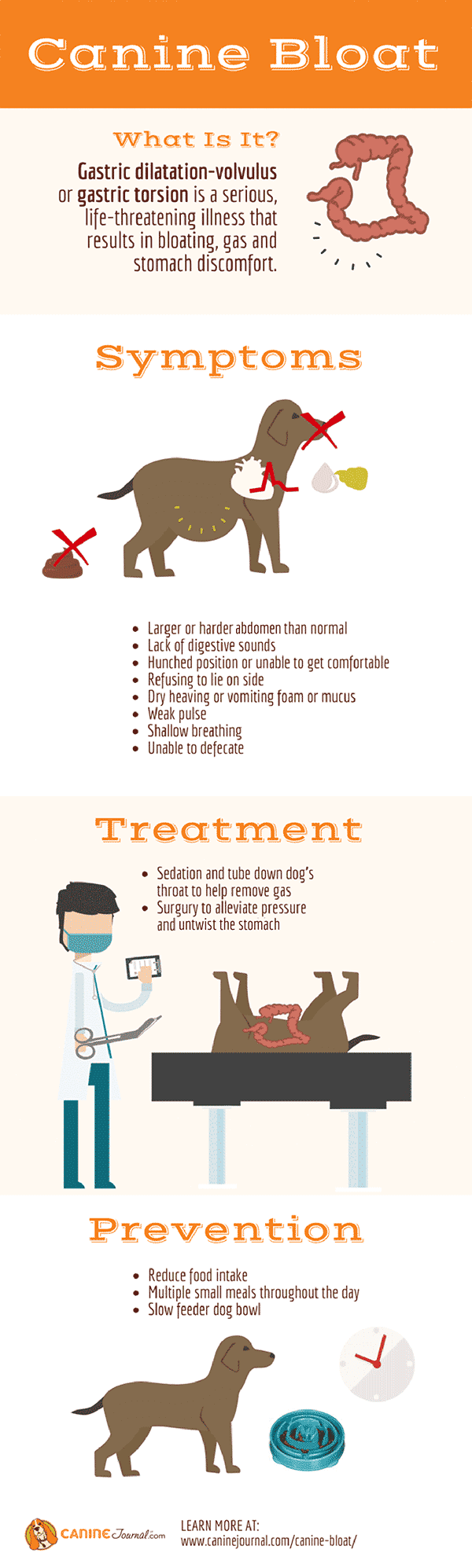
A dog experiencing a bloated, hard abdomen is a critical situation that demands immediate veterinary attention. Understanding the signs of this condition, often referred to as bloat or gastric dilatation-volvulus (GDV), is crucial for pet owners, as prompt action can be life-saving. This condition occurs when a dog’s stomach fills with gas, food, or fluid and can twist, cutting off blood supply and rapidly becoming life-threatening.
Many owners face the dilemma of whether to monitor their dog at home or rush to an emergency clinic. Differentiating between simple gas and a serious bloat is paramount, as every moment counts. This guide will help you recognize the signs, understand the causes, and know exactly what steps to take when your dog’s health is on the line.
Recognizing Serious Bloat vs. Mild Gas
While a dog’s stomach can occasionally swell due to minor gas or overeating, these episodes usually resolve on their own without significant discomfort. In contrast, bloat presents with more severe and distinct warning signs that necessitate urgent care.
Signs Requiring Emergency Veterinary Care
You should rush your dog to an emergency veterinary clinic immediately if you observe the following:
- Unsuccessful retching or vomiting: Repeated attempts to vomit without producing anything are a strong indicator of bloat.
- Extreme restlessness and anxiety: Your dog may pace incessantly, seem uncomfortable, and be unable to settle down.
- Rapid, shallow breathing: Difficulty breathing is a serious sign that the condition is progressing.
- Pale gums: This can indicate poor circulation and shock.
- Hard, distended abdomen: The stomach will appear visibly swollen and feel firm or rigid to the touch.
- Collapse: In advanced stages, a dog may become weak and collapse.
If any of these symptoms are present, do not wait to see if they improve. Treat it as a medical emergency.
Differentiating from Minor Gas
Mild gas or overeating might cause a dog to seem slightly uncomfortable, but they will generally continue their normal activities, including eating and playing. The stomach may appear somewhat larger but will remain soft to the touch, and the symptoms typically disappear within a few hours without intervention.
Understanding the Causes of Bloat
Bloat occurs when the stomach fills with an excessive amount of gas, food, or fluid. This can happen for several reasons, including:
- Eating too quickly: Swallowing large amounts of air along with food can contribute to gas buildup.
- Exercising too soon after meals: Vigorous activity shortly after eating can increase the risk.
- Genetics and breed predisposition: Large, deep-chested breeds, such as Great Danes, German Shepherds, and Standard Poodles, are at a higher risk for bloat. However, any dog can be affected.
In severe cases, known as GDV, the gas-filled stomach can twist on its axis, cutting off blood flow to the stomach and other vital organs. This twist prevents the stomach from emptying and can lead to tissue death, shock, and potentially death within hours if not treated promptly.
What to Do If You Suspect Bloat
If you suspect your dog is experiencing bloat, immediate action is critical.
Step 1: Contact Your Veterinarian Immediately
Call your emergency veterinary clinic without delay. Clearly describe all the symptoms your dog is exhibiting, including when they started and how they have progressed. Ask for instructions on whether to bring your dog in immediately and if there are any preparatory steps you should take.
Step 2: Monitor for Worsening Symptoms
While preparing to transport your dog, continue to observe their condition closely. Note any changes in breathing, gum color, or overall demeanor. This information will be invaluable to the veterinary team.
Step 3: Safe Transport to the Vet
Handle your dog gently to minimize pain and stress. If you have a larger dog, consider using a blanket as a makeshift stretcher. Ensure a smooth and direct journey to the clinic, minimizing any jostling. If possible, have someone else drive so you can comfort and monitor your dog during transport.
Potential Life-Threatening Conditions
Bloat is the most immediate and severe concern when a dog presents with a hard, bloated stomach. However, other serious conditions can also cause similar symptoms and require prompt professional care, including:
- Internal bleeding
- Severe infections
- Fluid buildup related to heart or liver problems
Supporting Your Pet Before Veterinary Arrival
While preparing for the veterinary visit, focus on keeping your dog calm and comfortable.
Comfort Measures
If your dog is not actively trying to vomit, offering small sips of water might be permissible, but stop immediately if it causes discomfort. Always consult your veterinarian for specific guidance on whether to withhold food until your appointment.
Minimizing Stress
Create a quiet environment for your dog, away from other pets and any sources of loud noise. Speak in a soft, reassuring tone and move slowly. Prevent any strenuous activity. Your presence and calm demeanor can provide much-needed reassurance during this stressful time.
Preventing Future Bloat
Implementing preventive measures can significantly reduce the risk of bloat in dogs.
- Feed smaller, more frequent meals: Instead of one large meal, divide your dog’s daily food intake into two or three smaller portions.
- Use slow-feeder bowls: These specialized bowls are designed to slow down a dog’s eating pace, reducing the amount of air they swallow.
- Avoid strenuous exercise around meal times: Wait at least an hour after feeding before engaging in vigorous play or exercise.
- Consult your veterinarian: For high-risk breeds, discuss potential preventive strategies, such as prophylactic gastropexy (a surgical procedure to tack the stomach in place), with your veterinarian.
Expert Care for Your Pet
Our veterinary hospitals understand the distress a bloated, hard stomach can cause for both you and your pet. Our emergency teams are equipped to assess your dog’s condition and provide the necessary rapid care.
For mild stomach enlargement without other severe symptoms, consulting your primary veterinarian may be an option. However, if your dog exhibits any critical signs like unsuccessful retching, a visibly swollen and hard abdomen, or signs of pain, do not hesitate to call an emergency veterinarian immediately. When in doubt, reach out to us; we can provide guidance over the phone and help you make the best decision for your dog’s health.
