
The urge to escape confinement, for dogs, can be as potent as human desires for freedom. While we might tap our fingers incessantly or compulsively scroll through our phones to manage stress, our canine companions can exhibit more dramatic behaviors when feeling overwhelmed. For many dog owners, the baffling sight of their dog emerging from a seemingly secure crate is a common, and often frustrating, experience. If you’ve returned home to find your dog enjoying the freedom of the living room, their crate door inexplicably open, this guide is designed to help you understand why My Dog Breaks Out Of His Crate and how to address it effectively.
It’s crucial to recognize that a dog escaping their crate is rarely a simple act of defiance or an attempt to be mischievous. Instead, it’s often a profound signal of distress, a cry for help from your furry friend. Understanding the underlying psychological factors is the first step toward resolving this common training challenge and ensuring your dog’s well-being. We need to look beyond the physical act of escape and delve into the emotional landscape of your dog.
The Psychology Behind a Crate Breakout
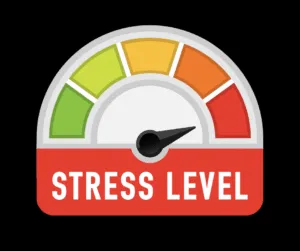
When your dog performs a Houdini-like escape from their crate, it’s far more than a simple desire to stretch their legs. This behavior is frequently rooted in stress and anxiety, a deep-seated discomfort that drives them to seek an exit. This isn’t the fleeting stress of a loud noise; it’s a more pervasive feeling that can stem from various sources. Dogs are inherently social creatures, and if they perceive their crate as a place of isolation or, worse, punishment, they can develop a strong aversion to it. The feeling of being “banished” from their human family can trigger intense anxiety, leading them to believe they cannot cope with the confinement alone. Ironically, the very tool intended to provide a safe and secure space might become the primary source of their distress.
A significant reason why my dog breaks out of his crate often comes down to separation anxiety. Dogs form strong bonds with their owners, and being left alone, even for short periods, can be incredibly difficult for them. If your dog hasn’t been gradually accustomed to periods of solitude, being confined to a crate can amplify these feelings of abandonment. This can be particularly challenging for puppies who are still learning to navigate the world and their reliance on their human caregivers. For these young pups, understanding proper crate training a puppy for potty training is essential from the start.
Your Dog’s Silent (and Not-So-Silent) Cries for Help
Dogs are masters of non-verbal communication, and a crate breakout is a loud and clear message when you know how to interpret it. It’s their way of expressing distress when words fail them.
“I’m Lonely, Dude.” Separation anxiety is a leading cause of crate escapes. If your dog experiences panic when left alone, the crate can become a symbol of that abandonment. The escape is a desperate attempt to find you or alleviate the overwhelming feeling of being alone. Helping your dog adjust to alone time is crucial. Implementing a consistent crate training schedule for 8 week old puppy can set a positive foundation.
“This Space Feels Like a Jail Cell.” For some dogs, the issue isn’t necessarily the size of the crate but the feeling of confinement itself. If your dog is naturally anxious or has had negative experiences, the crate can feel like a prison. They might be communicating a need for more space and a less restrictive environment.
“I’m Bored Out of My Mind.” Just like energetic children, dogs need mental and physical stimulation. When left in a crate with nothing to engage their minds, boredom can quickly set in, leading to destructive behaviors, including attempts to escape. This is their way of saying they need more to do to occupy their time.
“I’m a Free Spirit, Okay?” Some dogs are simply not suited for crate living. Despite your best efforts, they may never see the crate as their safe haven. Instead, they’ll view it as an obstacle to their natural desire for freedom and will dedicate their energy to finding a way out, akin to a canine Shawshank Redemption.

Managing Your Dog’s Stress (and Your Own)
The good news is that you are not alone in this struggle, and there are effective strategies to manage your dog’s stress and prevent future crate breakouts. The key is to approach the situation with patience and understanding.
First and foremost, take a deep breath—for both of you. Your own anxiety can be picked up by your dog. Panicking or punishing your dog for escaping will only exacerbate their stress. Instead, view the breakout as an opportunity to understand their needs better.
Reevaluate the crate situation. Not all crates are created equal, and your dog might have specific preferences. Consider if the crate is the right size (not too big, not too small) and if it’s equipped with comfortable bedding. Some dogs prefer crates that feel more like a den, offering a sense of security. If you’re struggling with house soiling issues, understanding how to make a dog litter box outside might be a complementary strategy for management.
Ease the separation anxiety. If your dog struggles with being alone, gradually acclimate them to short periods of confinement. Start with brief absences and gradually increase the duration. Make crate time a positive experience by offering high-value treats or engaging puzzle toys. This helps your dog associate the crate with good things, rather than loneliness. For dogs who are prone to running out the front door, learning how to stop your dog from running out the front door is a critical safety measure that can be linked to managing their anxiety.
Enrichment is key. If boredom is the primary driver, ensure your dog has plenty of stimulating activities. Puzzle toys, chew toys, and interactive games can keep their minds occupied and tire them out, reducing the urge to escape.
If you find that your dog’s stress and anxiety are overwhelming and significantly impacting their well-being, it might be time to seek professional guidance. A certified professional dog trainer or a veterinary behaviorist can offer personalized strategies to address the root cause of your dog’s anxiety and develop a comprehensive plan.
The Ironic Truth
The most significant realization for many owners is that the “crate problem” often isn’t about the crate itself but about the dog’s emotional state and their relationship with their owner. Dogs, like us, communicate their stress in various ways. When my dog breaks out of his crate, it’s a signal that something is amiss in their internal world or their environment. It highlights a potential lack of self-soothing skills or an intense dependence on the owner’s presence.

Conclusion
Discovering your dog has made a daring escape from their crate can be disheartening, but it’s also an invitation to deepen your understanding of your canine companion. Instead of frustration, approach the situation with curiosity. Ask yourself: what is my dog truly trying to communicate through this behavior? By addressing the underlying causes of anxiety, boredom, or loneliness, you can transform the crate from a source of stress into a safe and comforting den. This journey requires patience, consistency, and a commitment to building trust and addressing your dog’s emotional needs. If you’re struggling to manage your dog’s anxiety or behavioral challenges, consider reaching out to a professional dog trainer for expert guidance and support.
References
- American Society for the Prevention of Cruelty to Animals (ASPCA). (n.d.). Crate Training. Retrieved from https://www.aspca.org/pet-care/dog-care/common-dog-behavior-issues/crate-training
- The Humane Society of the United States. (n.d.). Crate Training Your Dog. Retrieved from https://www.humanesociety.org/resources/crate-training-your-dog
- Patronek, V. (2017). The Ultimate Guide to Crate Training. Retrieved from https://positively.com/dog-behavior-and-training/training/crate-training/
