
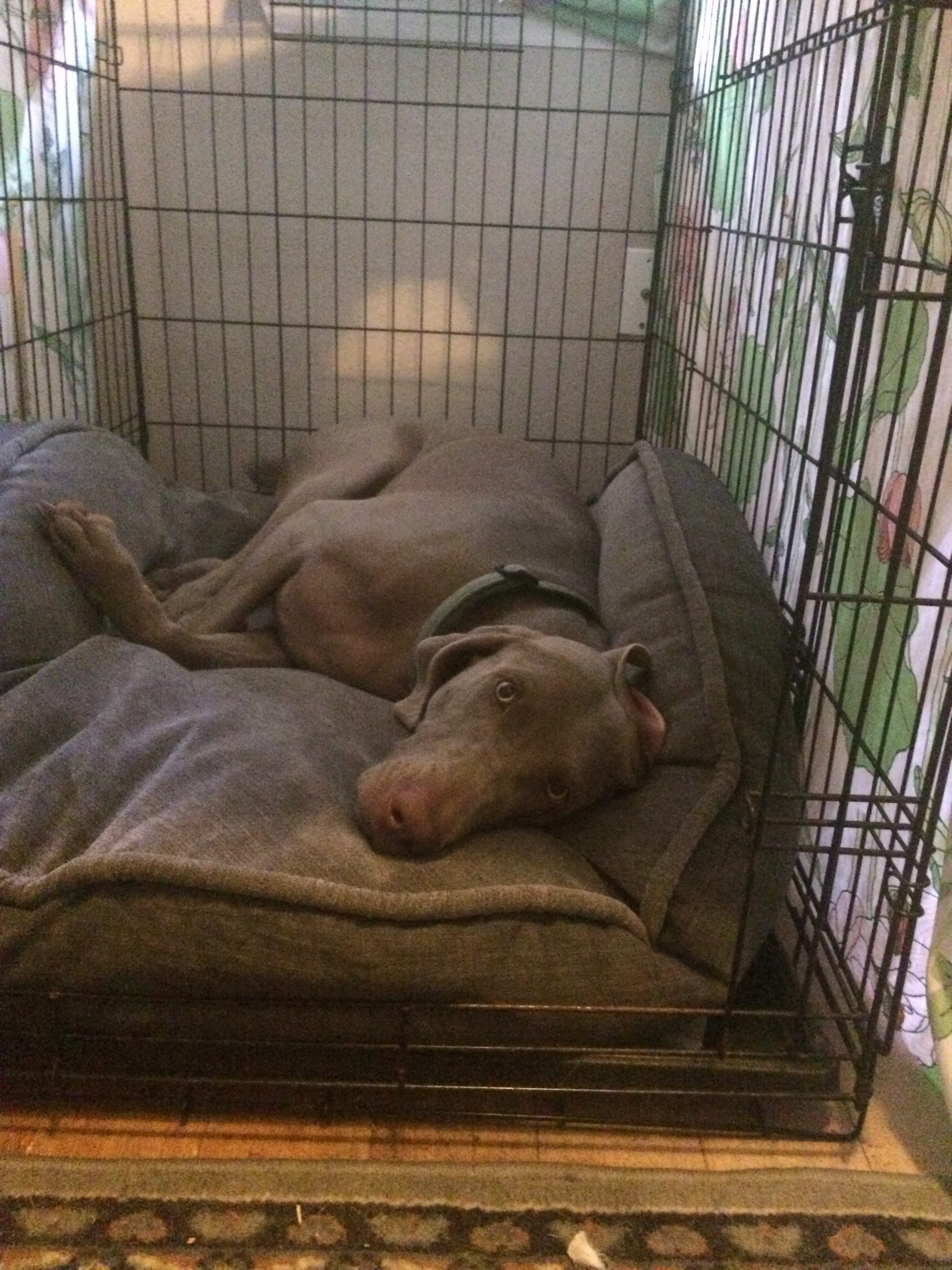
Coming home to a dog who has masterfully escaped their crate, leaving behind a trail of destruction or a nonchalant expression, can be a perplexing experience for any pet owner. While it might seem like a simple act of defiance or a clever bid for freedom, a dog’s crate breakout often signals deeper underlying issues. This article delves into the psychology behind these escape attempts, exploring the common reasons why dogs might feel compelled to break free and offering strategies to address the stress and anxiety that fuel this behavior.
My Personal Crate Breakout Saga
The experience with Max, a highly intelligent Husky mix, serves as a vivid example. Despite investing in a heavy-duty, “indestructible” crate, Max consistently found ways to dismantle it, turning his enclosure into a scene of chaos. This repeated pattern highlighted that the issue wasn’t solely with the crate itself but likely stemmed from a more complex problem involving Max’s well-being and the owner’s approach to his training. The realization that the crate, intended as a safe haven, might be a source of stress was a pivotal moment.
The Psychology Behind a Crate Breakout
A dog’s attempt to escape their crate is rarely just about wanting more space; it’s frequently a manifestation of stress and anxiety. Dogs, as social animals, can experience significant distress when confined, especially if they associate the crate with isolation or punishment. This feeling of being “banished” can trigger a strong urge to escape. Ironically, the very tool designed to provide security can become a major source of stress if not implemented correctly or if the dog’s underlying emotional needs are not met.
Your Dog’s Silent (and Not-So-Silent) Cries for Help
Dogs communicate their distress in various ways, and a crate breakout is a clear signal that something is amiss. Understanding these signals is crucial for effective training and addressing the root cause of their anxiety.
“I’m Lonely, Dude.” Separation anxiety is a primary driver for crate breakouts. Dogs who are unaccustomed to being alone may panic in their crates, viewing the confinement as an unbearable state of abandonment. This is their way of expressing their inability to cope with being left alone.
“This Space Feels Like a Jail Cell.” For some dogs, the feeling of confinement itself is a significant source of stress, regardless of the crate’s size. This claustrophobic reaction can lead them to perceive the crate as a prison, desperately needing more space to feel comfortable.
“I’m Bored Out of My Mind.” Just like young children, dogs require mental stimulation. When left in a crate with nothing to do, they will seek their own entertainment, often through destructive behaviors like chewing or digging, which can escalate into escape attempts.
“I’m a Free Spirit, Okay?” Some dogs are simply not suited for crate living. They may view the crate as an obstacle to their natural inclination for freedom and will persistently try to overcome it, regardless of training efforts.
Managing Your Dog’s Stress (and Your Own)
Addressing crate breakouts requires a calm and strategic approach, focusing on managing your dog’s stress and, by extension, your own.
Take a Deep Breath—For Both of You. It’s essential to remain calm, as a dog will sense and react to your stress. Avoid viewing crate breakouts as disobedience; instead, recognize them as a sign that your dog is struggling.
Reevaluate the Crate Situation. Consider if the crate is the right fit for your dog. Factors like size, bedding, and the overall feel of the crate (e.g., open den-like versus enclosed) can significantly impact a dog’s comfort. Adjustments may be necessary.
Ease the Separation Anxiety. Gradual exposure to alone time is key for dogs with separation anxiety. Start with short durations in the crate, paired with positive reinforcement like treats or calming music. This helps build positive associations with being left alone.
Enrichment is Key. To combat boredom, provide engaging activities. Puzzle toys, chew toys, and treat-filled Kongs can keep your dog mentally stimulated and occupied, reducing the likelihood of destructive escape attempts.
Consider Professional Help. If your dog’s anxiety appears severe or persistent, consulting a professional dog trainer or behaviorist is highly recommended. They can help identify the root cause and develop a tailored plan to address the behavior.
The Ironic Truth
Ultimately, a dog’s stress, much like human stress, is a form of communication. The ironic truth behind crate breakouts is that dogs are trying to convey their feelings, and it is our responsibility as owners to decipher these messages. In Max’s case, the realization was that his anxiety was tied to his owner’s presence, highlighting a need for him to develop self-soothing skills. This often means shifting focus from simply “training” the dog to accept the crate, to understanding and addressing the emotional state of the dog within it.
Conclusion
When faced with a crate escape, look beyond the immediate destruction and consider what your dog is truly trying to communicate. Understanding the underlying stress, anxiety, or boredom is the first step toward building a stronger connection, fostering trust, and effectively managing your dog’s behavior. By addressing these deeper needs, you can help your dog feel more secure and content, both inside and outside the crate, leading to a more harmonious relationship. If you’re struggling to manage these behaviors, seeking guidance from a professional dog trainer can provide the necessary support and expertise to navigate these challenges effectively.
