
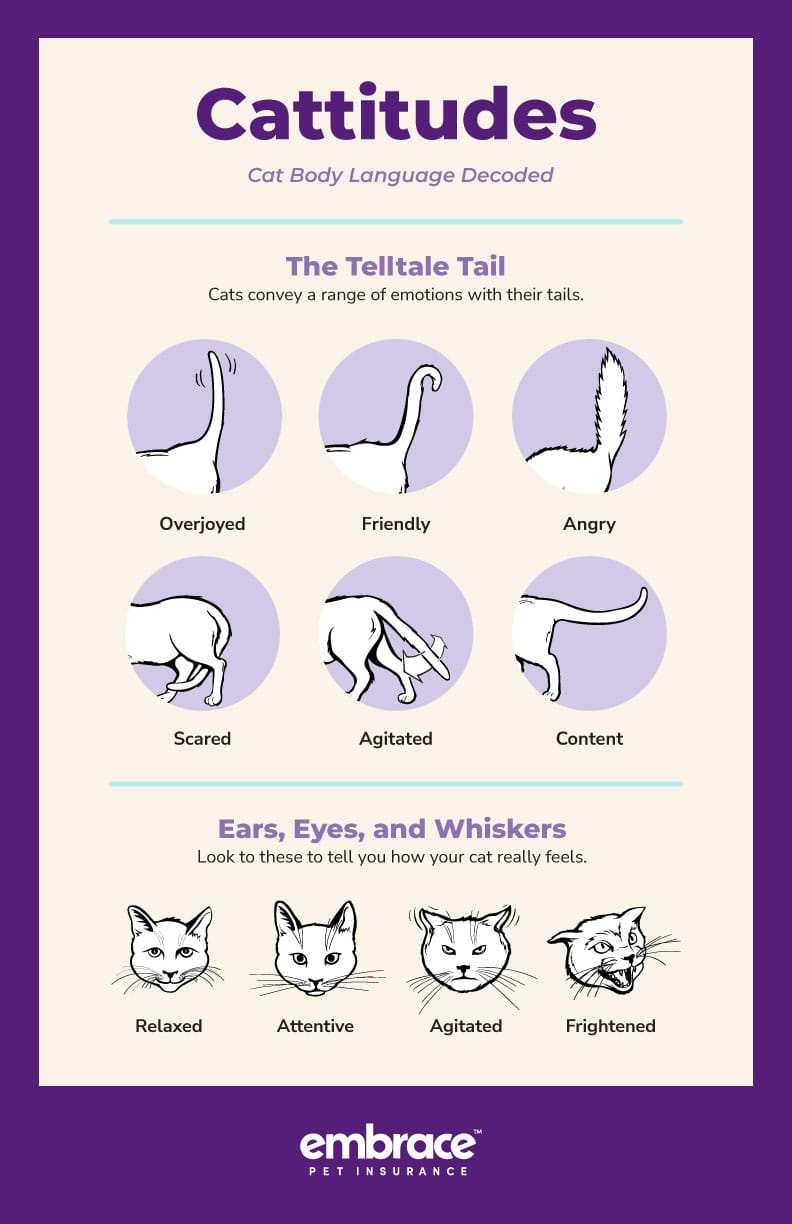
It can be distressing when a once-affectionate feline sibling suddenly displays aggressive behavior. This guide delves into understanding the root causes of inter-cat aggression and provides practical strategies for resolution, drawing from expert advice and real-life experiences. The primary goal is to restore harmony in multi-cat households by addressing environmental, medical, and behavioral factors.
Initial Steps: Ruling Out Medical Causes
The very first action to take when noticing a sudden behavioral change in your cat is to schedule a visit with your veterinarian. Medical issues can often manifest as aggression or anxiety, and ruling these out is crucial before implementing behavioral modification strategies. This initial veterinary check-up can identify underlying health problems that might be contributing to the change in your cat’s demeanor.
The Role of a Veterinarian
After separating the cats, a visit to the veterinarian is essential. In one documented case, a female cat, Zsa Zsa, was found to have crystals in her urine, increasing the risk of urethral obstruction, a condition often exacerbated by stress. Her male sibling, Rajah, had clean urinary test results. Zsa Zsa recovered with medication, and a diet primarily of wet food was recommended to prevent future issues. Understanding any potential medical root cause is the first step towards a behavioral solution.
Implementing Behavior Modification Strategies
Once medical causes have been ruled out, behavior modification techniques can be employed. Often, aggression in cats stems from environmental stressors or a perceived threat. Addressing these factors can significantly alleviate tension within the household.
Environmental Enrichment and Pheromones
Creating a stimulating and calm environment is key. The use of feline pheromones, such as those in the Comfort Zone Multi-Cat or Feliway MultiCat Starter Kits, can help create a more relaxed atmosphere. These diffusers release synthetic pheromones that mimic natural feline facial pheromones, promoting a sense of calm and security. For larger homes, a multi-diffuser system might be necessary, while smaller spaces may only require one.
The Importance of Separation
When aggression escalates, immediate separation is necessary to prevent injury. Using baby gates or pet gates, like the Summer Infant Extra-Tall Safety Gate or a Midwest Wire Mesh Gate, can be effective in creating a physical barrier. If a multi-level home is available, assigning each cat their own level with essential amenities can provide a safe space for monitoring their eating, drinking, and bathroom habits. This separation allows both cats to de-escalate and reduces the risk of further conflict.
Reintroducing Cats: A Gradual Process
The ultimate aim is to reintroduce the cats and restore their previous bond. This process requires patience and a strategic approach.
Positive Reinforcement and Scent Swapping
Dr. Marci Koski, a certified feline behavior consultant, recommends positive interactions at the same time but with a barrier, such as a door. High-value treats, gentle play, or petting can be offered on either side of the door, with the door slightly ajar. This helps cats associate each other’s presence with positive experiences. Additionally, swapping their living spaces or bedding allows them to become familiar with each other’s scent without direct confrontation.
Understanding What NOT to Do
It’s crucial to avoid punishment, as it is ineffective and can worsen the situation. Yelling, swatting, or startling cats will not help them reconcile; instead, it can damage their relationship with you and increase their fear. If a negative interaction occurs, the focus should be on a neutral distraction, such as tossing a small object like a ping pong ball across the room, to redirect their attention without reinforcing the aggressive behavior.
The Role of Mental Stimulation
Increased mental stimulation through interactive toys can play a significant role in reducing tension. Engaging their minds can help burn off residual stress and create a more positive environment for interaction.
Expert Insights and Expert Endorsements
Certified feline behavior consultants like Dr. Marci Koski and LeeAnna Buis emphasize that aggression is often an instinctual response to a perceived threat or a misunderstanding. Their advice centers on creating a positive association between the cats, managing the environment, and avoiding punitive measures. They stress that every situation is unique, and the time it takes for cats to reconcile can vary from a week to several months.
Seeking Professional Help
For persistent issues, consulting with a veterinarian or a certified feline behaviorist is highly recommended. Organizations like Feline Behavior Solutions offer specialized guidance for complex cases. Additionally, resources like JustAnswer provide access to veterinarians who can offer advice on feline behavior disputes.
A Case Study: Success Through Patience and Strategy
In one specific instance, after weeks of separation, scent swapping, and environmental enrichment with pheromones, the reintroduction of two formerly aggressive feline siblings showed promising results. A urinalysis confirmed a medical issue in one cat, which was treated. The combination of addressing the health concern, utilizing pheromones, strategic separation and scent swapping, and providing ample mental stimulation ultimately led to a significant improvement in their demeanor, allowing them to coexist peacefully in the same room. This highlights that while challenging, feline aggression can often be overcome with a multifaceted approach and a great deal of patience.
