
A sudden shift in behavior, particularly aggression between previously amicable feline companions, can be a distressing experience for any cat owner. This article delves into the potential causes of such inter-cat aggression, offering practical strategies for resolution, emphasizing the importance of veterinary consultation and environmental adjustments. The goal is to help restore harmony in multi-cat households.
Identifying the Root Cause of Cat Aggression
When observing a change in your cat’s behavior, the crucial first step is to consult a veterinarian. This is to rule out any underlying medical conditions that could be contributing to the aggression. Once medical issues are addressed, behavior modification strategies can be implemented. Many situations that trigger aggression in cats can be mitigated by altering their physical or social environment.
The Role of Misunderstood Experiences
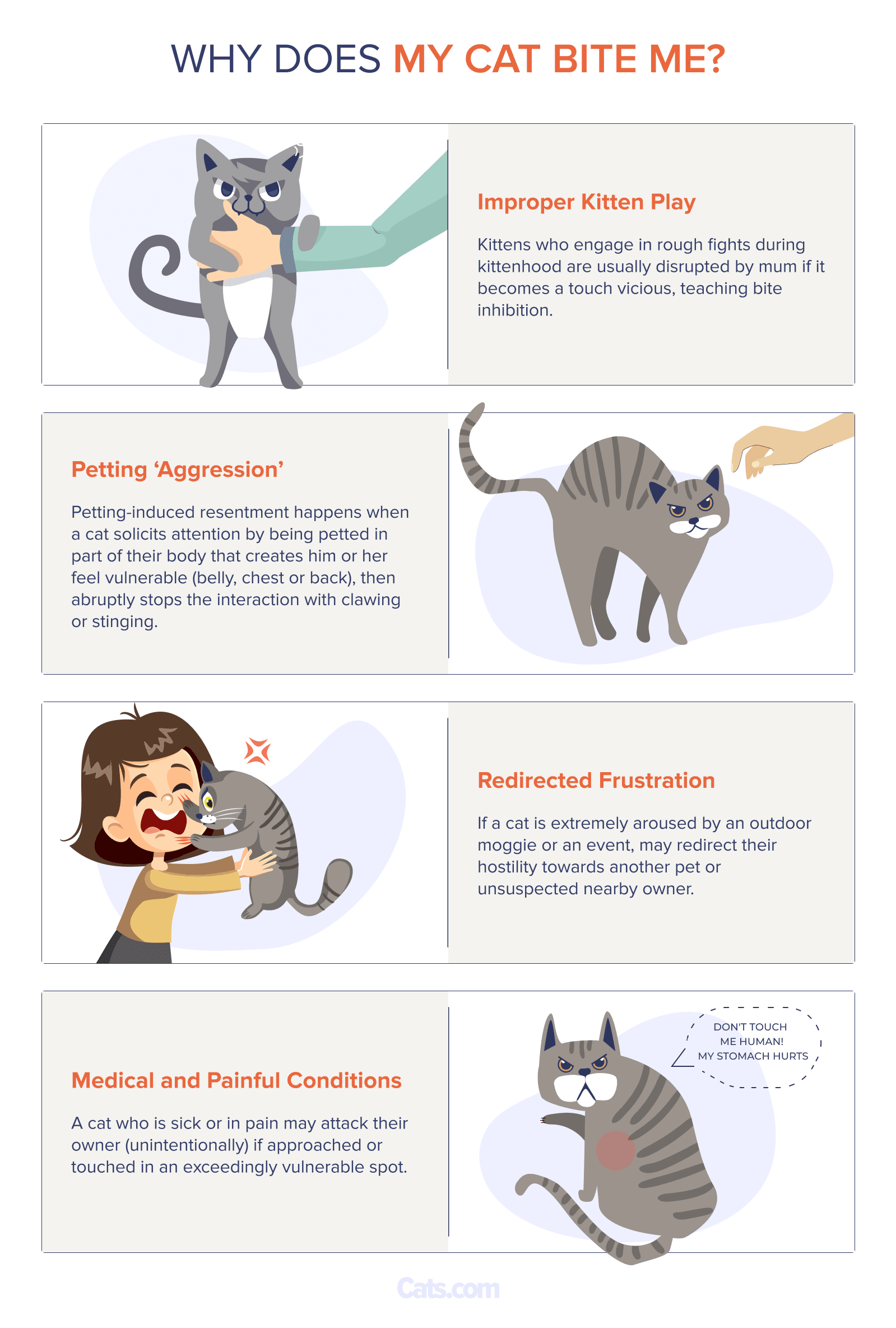
The underlying cause of new behavioral dynamics between feline siblings can sometimes stem from a single, unsettling experience. After research and consultation with a feline behavior expert, Dr. Marci Koski, it was suggested that an indoor cat might experience a “perceived” threatening event. This could involve witnessing another cat or an unfamiliar animal outside. Concurrently, if another cat within the household passes by in a relaxed manner, the threatened feline might misinterpret this carefree behavior, leading to redirected aggression. This phenomenon, where familiar companions turn into adversaries, highlights how a traumatic event can reshape their perception of one another, transforming a family feud into an overnight conflict.
Strategies for Managing Inter-Cat Aggression
The Importance of Separation
To prevent injury, the immediate action when noticing aggression is to separate the cats. If feasible, utilize baby gates or pet-specific gates to maintain a physical barrier while allowing visual and olfactory contact. This separation is vital for monitoring each cat’s well-being, including their eating, drinking, and litter box habits, which can indicate a potential medical issue. Having separate living spaces, such as different levels of a house, ensures each cat has access to necessary resources without conflict.
Veterinary Examination is Crucial
A thorough veterinary check-up is paramount. In one case, a cat exhibiting aggression was discovered to have crystals in her urine, a condition that increases the risk of urethral obstruction, especially during stressful periods. While the other cat’s tests were clear, the medical issue was treated. Dietary changes, such as a primary wet food diet, were recommended to prevent future urinary crystal formation and potential obstructions. For immediate concerns about inter-cat fighting, consulting a veterinarian can provide tailored advice Click here for veterinarian consultation.
Enhancing the Cat’s Environment
Enriching your cat’s environment does not necessarily demand significant time, effort, or expense. One effective strategy suggested by feline behaviorists is the use of pheromones to promote a sense of calm. For larger homes, a multi-cat pheromone diffuser kit can be beneficial. For smaller living spaces, a single diffuser might suffice. These products can help create a more relaxed atmosphere, easing tension between cats. Providing enriching experiences can also significantly improve a cat’s overall well-being.
The Reintroduction Process
The ultimate goal is to reintroduce the cats safely, restoring their previous bond. This process requires patience and positive reinforcement. Dr. Koski recommends engaging in positive activities with the cats simultaneously but separately, such as offering high-value treats or engaging in mild play through a slightly ajar door. This allows them to associate each other’s presence with positive experiences.
Swapping the cats’ living spaces daily is another strategy that allows them to become accustomed to each other’s scent. After several days of these gradual exposures, a monitored reintroduction can be attempted. Holding or leashing an aggressive cat, especially if they are harness trained, can provide an extra layer of control during this phase. It is important to remember that some reintroductions may take weeks or even months, and setbacks can occur.
What to Avoid During Conflict Resolution
It is equally important to understand what actions can exacerbate the situation. As emphasized by feline behavior consultants, punishment is ineffective and counterproductive. Yelling, swatting, or startling the cats will not resolve their aggression; instead, it can damage their relationship with you and reinforce negative associations with each other’s presence. If separation is necessary after a negative incident, it should be viewed as a time to calm down and reset, not as a punishment. Any action that induces stress, fear, or discomfort will likely worsen the problem. The aim is for cats to associate each other’s presence with positive outcomes.
Neutral Distraction Techniques
While positive reinforcement is key, it’s important to avoid unintentionally rewarding aggressive behavior. For instance, using a favorite toy to distract fighting cats might inadvertently teach them that aggression leads to playtime. Instead, focus on neutral distractions. If aggression is escalating, discreetly toss a small object, like a ping pong ball, across the room to divert their attention. Alternatively, a gentle nudge with a pillow or cardboard can break their sightline. Once their attention is diverted, positive reinforcement can be used to redirect them to a calming activity.
Successful Reunification: A Multifaceted Approach
In cases of conflict, a combination of strategies often leads to success. This can include maintaining a calm home environment, using pheromone diffusers, ensuring veterinary care is up-to-date, and implementing a structured separation and reintroduction plan. Critically, increasing mental stimulation through new toys and interactive play can significantly improve their demeanor and facilitate a smoother reunion. While challenges may arise, patience and a consistent, positive approach are key. It may take time, but with the right methods, cats can often learn to coexist peacefully again. Observing their reunion and celebrating small victories is part of the journey toward a harmonious household.
