
The joyous reunion with a lost cat is a dream for every pet owner. However, it’s crucial to understand that your feline friend may have endured significant stress and trauma during their time away. This can lead to noticeable changes in their behavior upon their return, which might be surprising but are ultimately temporary. With a compassionate approach and attentive care, your cat will gradually revert to their familiar self. This guide offers essential tips to support your pet’s wellbeing and navigate their altered behavior after a harrowing experience.
How Cats Are Affected After Being Lost
The behavioral shifts your cat exhibits after being lost and found can be perplexing. A cat accustomed to indoor living, for instance, will likely be disoriented, anxious, and distressed after experiencing the outside world.
Increased Skittishness and Fear
It often takes time for a cat to readjust to their home environment and former routines. The ordeal of being lost and the encounters they faced outdoors can leave lasting psychological scars. They might have encountered:
- Wild animals
- Unfamiliar cats
- Traffic noise and hazards
- Strangers
This can trigger a persistent sense of threat, even within the perceived safety of their home. To help your cat relax and reintegrate, maintaining a calm and quiet household is paramount. Consider these measures:
- Minimize loud music and noises.
- Avoid hosting visitors.
- Limit interaction with other pets.
- Ensure windows and doors remain closed.
Outdoor cats, while potentially less profoundly affected than indoor cats, may still have undergone a distressing experience. Providing them with ample affection is equally important.
Social Withdrawal and Hiding Behavior
A cat’s fight-or-flight response might remain activated, leading to behaviors driven by fear and distress. This can manifest as:
- A tendency to run away from perceived threats.
- Seeking secluded hiding spots.
- Avoiding interaction with people and other animals.
This state is often termed ‘survival mode.’ Even though your cat is now home and secure, the instinct for self-preservation may persist. This explains their inclination to hide, withdraw, and show less interest in usual affectionate interactions.
Altered Appetite and Eating Habits
Stress significantly impacts a cat’s appetite. It’s not uncommon for cats to refuse food for a day or two, particularly if they are experiencing pain, stress, depression, or illness. While concerning for owners, a cat’s appetite usually returns within a couple of days. If not, offering enticing human food or a favorite treat can sometimes encourage them to eat.
Disruption of Established Routines
After an extended period of being lost—spanning days, weeks, or even months—old routines can be completely disrupted. This may affect their:
- Litter box habits
- Sleep-wake cycles
- Feeding schedules
- General interests and engagement
Cats found by local shelters may have also adapted to the structured environments and routines of those facilities.
Caring for Your Cat After Their Return
Providing optimal care for your cat upon their homecoming is essential. This is a critical period where extra love and patience are vital for their recovery and wellbeing.
The Importance of Patience
It can be disheartening when your beloved cat returns, yet doesn’t immediately resume their usual affectionate demeanor. However, a generous dose of patience and unwavering love are what they need to reacclimate to domestic life.
Respecting your cat’s boundaries during this sensitive time is crucial. Forcing social interaction or cuddles when they feel uncomfortable will only make them more withdrawn and prolong the time it takes for them to feel safe and secure again. Continue their established routines as much as possible, ensuring they have access to fresh food and water, and offer gentle companionship. Eventually, they will likely seek out your lap for purrs and affection.
Grooming Needs
After potentially days spent outdoors without regular grooming, your cat is likely overdue for a thorough cleaning. While cats are often perceived as low-maintenance, paying attention to their grooming needs is key to their comfort. Consider the following:
- Nail Trimming: Overgrown claws can curl and dig into the paw pads, potentially causing infections. They can also snag on materials, leading to painful tears. Keeping them trimmed short ensures safety and comfort.
- Coat Brushing: Regular brushing can often suffice to clean the coat and prevent matting, which can become painful if left untreated. If your cat is particularly dirty, a bath may be necessary.
- Flea Treatment: An outdoor environment is a prime breeding ground for fleas. Untreated infestations are not only uncomfortable for your cat but can also spread to your home, becoming a persistent problem.
Veterinary Attention
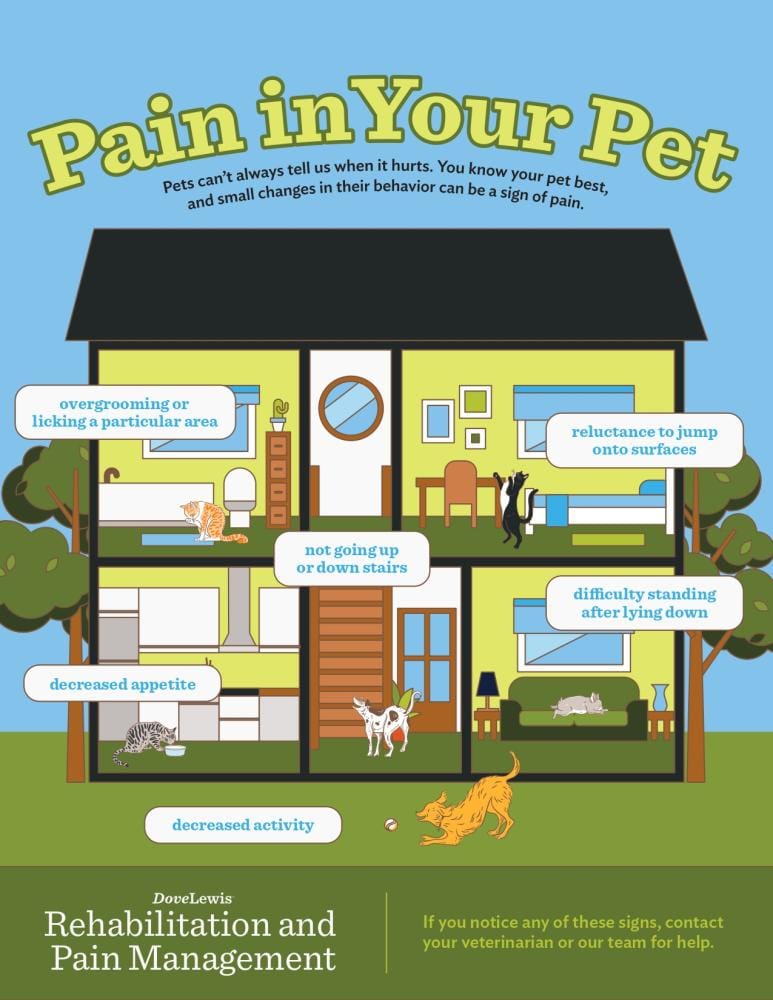
Amidst the joy of your cat’s return, it’s easy to overlook potential injuries sustained during their adventure. Encounters with other animals, dangerous environments, or traffic incidents can all lead to physical harm. Cats instinctively hide pain, making it challenging to detect. Watch for these signs:
- Excessive Licking: Repetitive licking of a specific area may indicate self-soothing or an attempt to heal. Inspect the spot for soreness or injury.
- Vocalization: Unusual yowling, meowing, or hissing can signal pain. Even purring can sometimes indicate discomfort as a self-soothing mechanism.
- Hiding: Injured or sick cats often seek secluded places to feel safe due to their vulnerability. Hiding indoors could be a sign of suffering.
- Limping: Difficulty walking or holding up a paw is a clear indicator of injury. Examine their paws for cuts or infections, or consider a fracture if no external cause is apparent.
- Reduced Appetite and Increased Sleeping: Injured or unwell cats often exhibit decreased activity, eating, and drinking.
Even in the absence of obvious injury, a veterinary check-up is highly recommended if your cat has been missing for an extended period. A veterinarian can perform a general examination to screen for:
- Infections
- Diseases
- Injuries
- Malnourishment
- Dehydration
This ensures your cat receives the necessary professional care to return to optimal health.
Frequently Asked Questions
Why is my cat acting differently after running away?
Your cat may exhibit different behaviors after running away due to the traumatic and frightening experience. They might be more nervous, skittish, and struggle to feel secure in their home environment, making readjustment challenging.
What should I do if my cat runs away and then returns?
Upon your cat’s return after being lost, offer them abundant affection and be patient. They will likely be more anxious and fearful, and it will take time for them to settle back into their usual routine.
Why has my cat’s behavior suddenly changed?
A sudden change in your cat’s behavior could stem from an underlying health condition or ongoing stress. Ensure they receive adequate mental and physical stimulation, companionship, and consistent access to food and water.
Do cats feel sad when they are lost?
Yes, it is highly probable that cats experience fear, fright, and sadness when lost. Without their familiar comforts, they struggle to feel safe and secure, and they will undoubtedly miss their owners.
Do cats get scared when they are lost?
Yes, it is highly probable that cats experience fear, fright, and sadness when lost. Without their familiar comforts, they struggle to feel safe and secure, and they will miss their owners.
Is it common for cats to run away and then come back?
While not necessarily “normal,” it is quite common for cats to run away and eventually return. Cats possess natural homing instincts that often enable them to find their way back home.
Final Thoughts
The disappearance of a cat is a pet owner’s deepest fear, and their safe return brings immense relief. Understanding the behavioral changes in a returned lost cat is vital to avoid frustration. Remember, they have endured a significant ordeal. With consistent care, patience, and this guide, your cat will soon be back to their delightful selves.
