
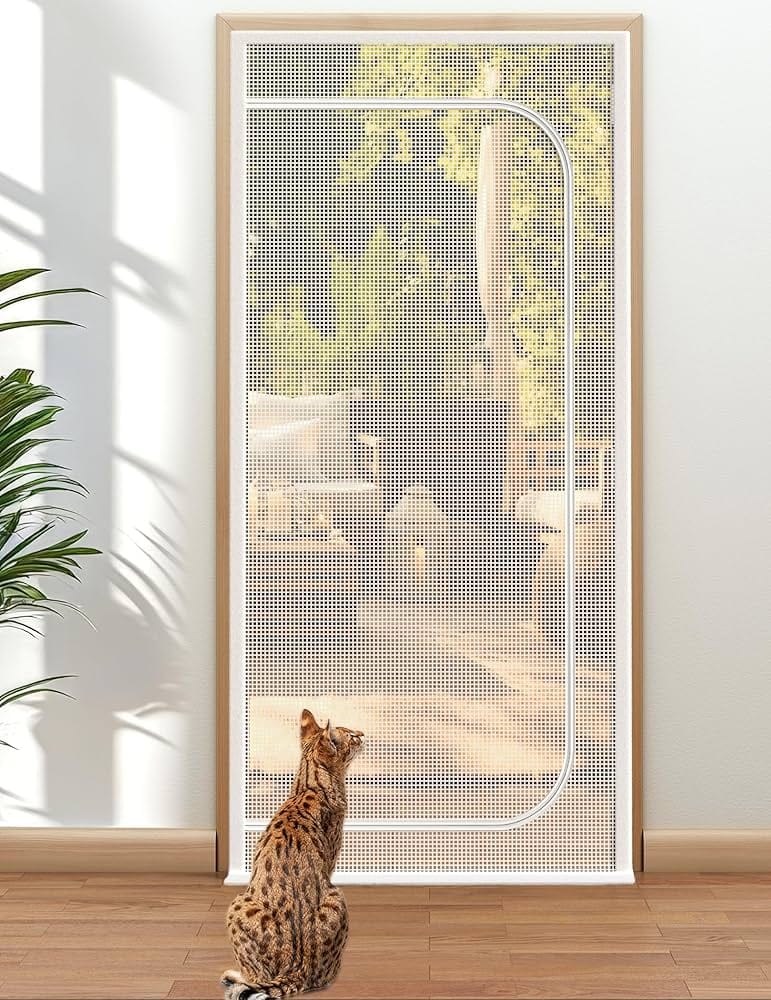
The persistent meows of a cat at a closed door can be a source of frustration for any pet owner. Whether it’s a plea for attention, a demand for food, or simply an expression of curiosity, understanding and addressing this common feline behavior is key to a harmonious home. This comprehensive guide, informed by expert insights, will walk you through effective strategies to help your cat or kitten quiet down and adapt to closed doors.
Decoding Your Cat’s Door Meows
Every cat possesses a unique personality, yet many share the peculiar habit of meowing incessantly at doors. To effectively manage this behavior, it’s crucial to understand the underlying motivations behind their vocalizations. Interestingly, adult cats predominantly meow to communicate with humans, not with each other. When your feline friend stands at a door and vocalizes, they are actively trying to convey a message—often a simple “Open that door!”
Cats are inherently curious creatures, driven by a natural instinct to explore new environments. A cat that won’t stop meowing at a door is likely expressing this innate desire to discover what lies beyond. It’s their way of asking, “What’s out there?” Beyond mere curiosity, meowing at doors can also signal other needs: they might be seeking attention, indicating hunger, or expressing boredom. Recognizing these signals is the first step toward establishing a peaceful cohabitation and effectively stopping your cat from meowing at the door. Understanding why your cat engages in such behavior, for instance, what is the cat meowing meaning, can significantly improve your approach to resolving the issue.
Four Simple Steps to Stop Your Cat From Meowing at the Door
If your cat’s door-meowing behavior is becoming excessive, these four simple methods can help bring peace back to your home.
1. Avoid Negative Reactions
It’s tempting to react negatively when your cat’s meows test your patience. However, clapping, shouting, or physically moving your cat away are counterproductive. Such responses can instill fear in your cat rather than deter the unwanted behavior. These negative interactions fail to address the root cause of the meowing and can ultimately weaken the bond you share. Just as you dislike constant yelling, your cat won’t appreciate or learn from your shouting either.
2. Implement Distraction Techniques
One of the most effective immediate solutions is distraction. Keep a favorite toy handy, especially wand toys, which are often highly motivating for cats. If you observe your cat heading toward a door to meow, proactively redirect their attention with a toy. Engage them in playtime until they are sufficiently tired. This might require sustained effort, as younger cats, particularly new kitten meowing, possess considerable energy.
For instance, to curb nighttime meowing that disrupts your sleep, initiate playtime earlier in the evening. Indoor cats, in particular, need daily interactive play to expend energy they would naturally use for hunting in the wild.
3. Create a “Catio” for Safe Outdoor Access
Consider building a “catio” – a cat patio – to provide your feline with safe outdoor access. This enclosed space, perhaps a balcony secured with chicken wire or other screening materials, allows your cat to experience the outdoors without the risks. You can enhance this outdoor haven with a running water fountain, a cat tree for climbing and perching, and cat grass for grazing.
A catio offers an excellent outlet for your cat’s hunting instincts. They can safely observe and smell the outside world, providing mental stimulation while you enjoy a quieter home. It’s a beneficial solution for both you and your furry companion, especially if you have an unneutered male cat meowing due to territorial instincts.
4. Utilize Motion-Activated Air Cans as a Last Resort
As a final option, motion-activated air cans can be employed. These devices emit a short, safe burst of air upon detecting movement, creating an unpleasant sensation that cats quickly learn to avoid. Over time, the mere sight of the can may be enough to deter them from the area.
It’s important to note that this method, similar to scolding, is a negative response that doesn’t fully address your cat’s underlying needs. However, if your cat persistently meows at a specific location and is also easily distracted during playtime, an air blast might offer a temporary solution.
What NOT To Do
As highlighted earlier, it is crucial to avoid negative reactions when your cat or kitten meows or cries at the door. Clapping, shouting, or attempting to physically move them away will not resolve the behavior and can negatively impact your relationship with your pet.
Helping Your Cat Adapt to Closed Doors
To help your cat become comfortable with closed doors, focus on positive reinforcement and gradual desensitization. Keep their environment enriching and comfortable, and consider a cat door if practical.
1. Positive Reinforcement and Desensitization
- Distraction: When closing a door, distract your cat with toys, treats, or a brief play session to redirect their attention away from the door.
- Gradual Introduction: Start by closing the door for very short intervals, rewarding calm behavior with treats or praise. Slowly increase the duration as your cat becomes more at ease.
- Positive Association: Link the act of door closing with positive experiences. For example, open the door to give your cat a treat, then close it again immediately.
- Avoid Punishment: Never punish your cat for meowing or scratching at the door. This can heighten their anxiety and exacerbate the problem.
2. Environmental Enrichment and Comfort
- Safe Spaces: Ensure your cat has designated “cat zones” or safe retreats where they can feel secure and relax if they feel overwhelmed.
- Comfortable Environment: Provide a cozy bed, scratching posts, and a variety of toys to keep them entertained.
- Variety: Regularly rotate toys to prevent boredom and maintain your cat’s engagement.
- Consider a Cat Door: If feasible, install a cat door to grant your cat independent access to different areas of your home. If your my kitten won t stop meowing, it might be beneficial to understand if it’s due to restricted access.
3. Understanding and Patience
- Accept Feline Behavior: Recognize that cats are naturally territorial and can be sensitive to changes in their environment.
- Be Patient: It takes time for cats to adjust to new routines or closed doors. Consistency with positive reinforcement and desensitization is key.
- Consult a Veterinarian: If your cat’s meowing is causing significant distress or seems excessive, it’s always best to consult with a veterinarian to rule out any underlying health issues, or a certified feline behaviorist for specialized guidance and strategies.
By consistently applying these steps, you can help your cat become more comfortable with closed doors and alleviate their anxiety.
When Your Cat Still Won’t Stop Meowing
If despite your efforts, the meowing persists or suggests a deeper issue, professional help is recommended. Consult your veterinarian to exclude any health-related problems, or reach out to a certified cat behaviorist for tailored advice and intervention strategies. They can provide insights into specific issues like male cat yowling meaning and offer solutions.
Remember, patience and understanding are paramount in managing your cat’s behavior. Your cat meows as a fundamental form of communication. With dedicated time and effort, you can achieve a harmonious balance that respects your feline’s needs and brings a calmer atmosphere to your home.
References:
- Cheal, Jenna. “How To Stop Cats From Meowing At The Door.” Modern Cat Magazine, Modern Cat, 2025.
