
Cats biting their owners, whether it’s a gentle nip during petting or a sudden, seemingly random attack, can be a distressing experience. While painful, these bites often stem from a cat’s natural behaviors and attempts to communicate. Recognizing the underlying reasons and knowing how to respond can significantly reduce the likelihood of such incidents and foster a stronger bond between you and your feline companion. This guide will delve into common causes of cat biting and provide practical strategies to manage and prevent this behavior.
Decoding Your Cat’s Biting Behavior
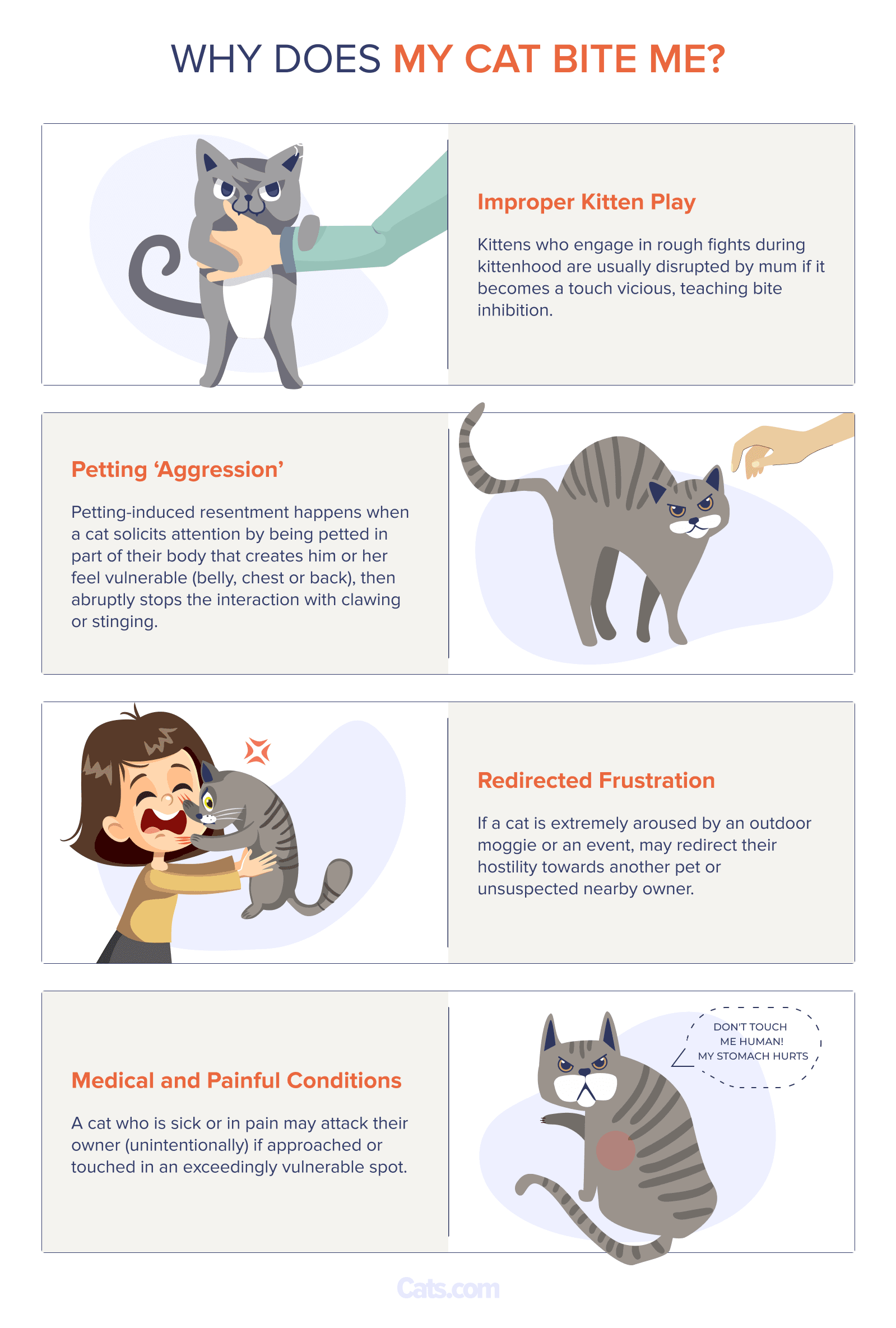
Cats exhibit biting for various reasons, often linked to their instincts, emotional state, or the way we interact with them. Understanding these motivations is the first step towards addressing the issue effectively.
The “Hug and Bite” Phenomenon
When your cat embraces your arm or leg and then bites, it often mimics a natural hunting sequence. In the wild, cats use their front paws to secure prey and deliver a bite, sometimes accompanied by “bunny kicks” with their hind legs. If your cat directs this behavior towards you, they might be channeling their hunting instincts in a misdirected way. Engaging them with suitable toys, such as kicker toys designed for this purpose, can help redirect this predatory play.
The Lick-Bite or Bite-Lick Sequence
A cat that licks you before or after biting is often indicating overstimulation. While licking is a natural bonding behavior for cats, used to share scents and express contentment, its combination with biting suggests they may be feeling overly excited or playful. Redirecting this excess energy towards interactive toys or, if the biting persists, allowing them space to calm down, can be beneficial. For more insights into why your cat licks, explore resources on feline licking behaviors.
Why Your Cat Might Bite One Person and Not Another
The target of a cat’s bite can depend on the underlying cause. If fear is the driving force, a cat might single out a specific individual they perceive as a threat, especially if that person is new to the household or has inadvertently scared the cat. In such situations, the bite can be a last resort when the cat feels trapped and unable to escape.
If overstimulation is the issue, the difference in biting might be attributed to:
- Frequency of Interaction: The person interacting more often with the cat might inadvertently trigger overstimulation more frequently.
- Play Habits: Encouraging play by using fingers or toes as toys can lead to biting.
- Reaction to Biting: A more pronounced reaction from one person (e.g., sudden movements, vocalizations) can excite the cat further, increasing the likelihood of biting.
- Physical Demeanor: A person who is more fidgety or moves their limbs frequently might inadvertently provoke a playful bite more than someone who remains still and calm.
What to Do When Your Cat Bites You
When a bite occurs, remaining calm and still is crucial. Sudden movements or loud noises can escalate the cat’s fear or excitement, potentially leading to further biting.
- Remain Calm and Still: Avoid startling your cat further.
- Safely Disengage: Gently remove yourself from the situation, allowing your cat the space to calm down.
- Clean the Wound: If your skin is broken, wash the wound thoroughly with soap and warm water, pat it dry, and cover it with a clean dressing. Seek medical attention if the wound shows signs of infection or fails to heal.
- Analyze the Cause: Reflect on the circumstances leading up to the bite. Were there warning signs? Was the cat overexcited, scared, or stressed? Understanding the trigger is key to prevention.
- Consult Professionals: If biting is a new or persistent behavior, consult your veterinarian to rule out any underlying medical conditions causing pain. A qualified cat behaviorist can also provide tailored advice for managing persistent biting issues. Organizations like the Animal Behaviour and Training Council offer resources for finding certified professionals.
Strategies to Prevent Your Cat from Biting
Preventing biting involves addressing the root cause, whether it’s fear, stress, or overstimulation.
Addressing Fear and Stress in Cats
- Provide Safe Havens: Ensure your cat has numerous quiet, secluded places to hide, preferably elevated to offer a sense of security and a vantage point. Cardboard boxes, high shelves, or under furniture can serve as excellent retreats.
- Respect Their Space: When your cat is scared or stressed, they often prefer to be left alone. Allow them to retreat and approach you when they feel ready.
- Create a Calming Environment: Ensure all essential resources (food, water, litter box, scratching posts) are easily accessible and not shared if you have multiple cats. Minimize loud noises and sudden disruptions. Consider using a feline pheromone diffuser, such as FELIWAY®, to create a more serene atmosphere.
- Identify and Resolve Stressors: If you suspect your cat is stressed, consult your vet to rule out medical causes. If they are healthy, try to identify and mitigate environmental stressors.
Managing Overstimulation
- Offer Appropriate Toys: Provide a variety of engaging toys, such as wand toys, kicker toys, and puzzle feeders, to redirect predatory instincts away from your hands and feet.
- Keep Play Sessions Brief: Engage in short, frequent play sessions rather than long, intense ones. Pay attention to your cat’s body language and end the session before they become overexcited.
- Pet Appropriately: Learn your cat’s preferences for petting. Many cats dislike belly rubs, even if they expose their belly. Start with gentle strokes on the head and chin, observing their reactions to determine what they enjoy most.
By understanding the motivations behind your cat’s biting and implementing these strategies, you can create a safer and more harmonious living environment for both you and your feline companion. For further guidance on managing challenging cat behaviors, explore additional resources on cat aggression and behavior.
