
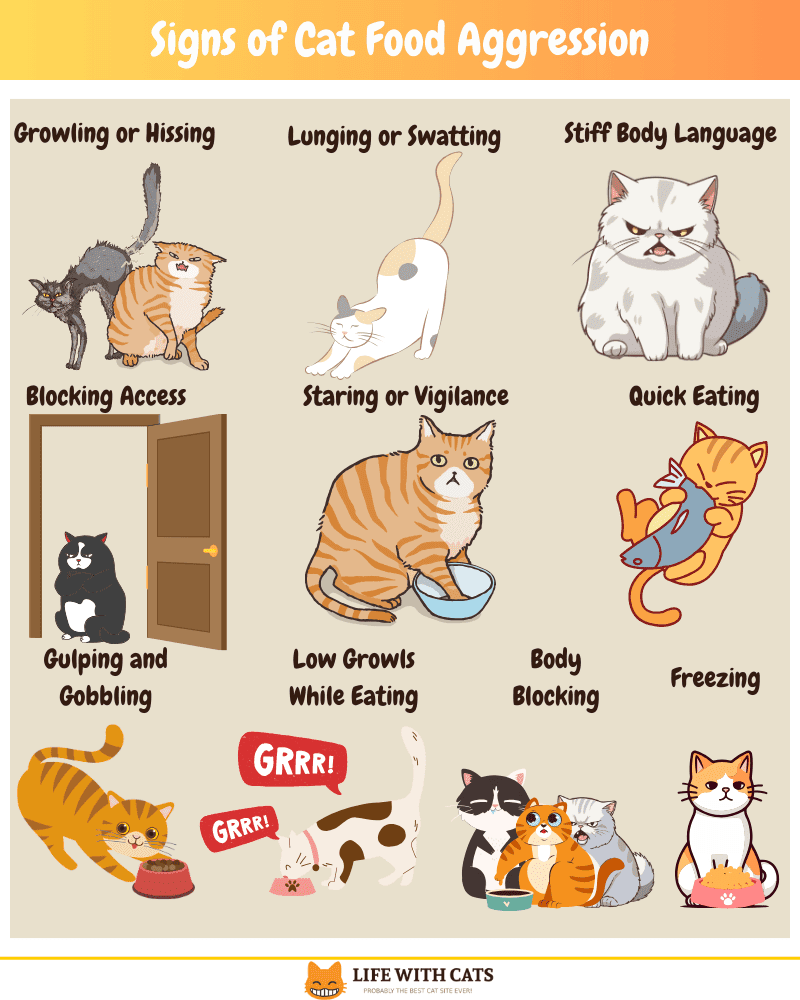
Aggression is a complex behavioral issue in cats, often misunderstood by owners. Unlike humans, cats typically exhibit aggressive behaviors not out of spite or anger, but due to underlying fear, stress, or anxiety. Recognizing and addressing these behaviors is crucial for improving a cat’s well-being and strengthening the human-animal bond.
Decoding Cat Communication: Signs of Aggression
Cats communicate through a nuanced combination of body language, vocalizations, physical contact, and chemical signals. Understanding these cues is key to anticipating and preventing aggressive outbursts.
Body Language Cues
A cat’s eyes, ears, tail, and posture are primary indicators of their emotional state. Dilated pupils can signal an adrenaline rush, often preceding aggression. “Airplane ears” (flattened sideways) suggest annoyance or fear, while ears pressed flat against the head indicate an imminent fight. A stiff, upright tail can denote wariness, whereas a tucked tail signifies fear. An angry cat may puff up its tail into a “bottle-brush” shape. Fearful cats often crouch low, while aggressive cats may arch their backs and raise their fur to appear larger.
Vocalizations
Vocal cues provide further insight. Purring, while often associated with contentment, can also be a self-soothing mechanism for stressed cats. Chattering is a predatory sound used to confuse prey. Hissing, a sharp expulsion of air, is typically a defensive warning to deter a larger threat, mimicking a snake’s sound. Growling, a deeper vocalization, suggests a more dominant or possessive stance.
Physical and Chemical Signals
Aggressive or fearful cats may resort to pouncing, biting, or scratching. They often prefer to maintain distance. Chemical cues, such as pheromones and urine marking, are used to establish territory and communicate ownership. Rubbing against objects or people transfers scent, claiming them as part of their domain. Urine spraying, particularly indoors, can be a response to stress or the presence of other cats.
Distinguishing Defensive vs. Offensive Aggression
Cat aggression can be broadly categorized into defensive and offensive types, each with distinct behavioral patterns.
Defensive aggression involves behaviors aimed at avoiding confrontation. This includes crouching low, hissing to warn off a threat, tucking the tail, and piloerection (raising fur) to appear more intimidating.
Offensive aggression is proactive and involves behaviors like swatting, blocking pathways, growling, rapid tail swishing, and attacking. Cats exhibiting offensive aggression may also arch their backs and turn sideways to maximize their apparent size.
Types of Feline Aggression
Understanding the specific type of aggression can help in addressing the root cause:
- Play Aggression: Occurs in insufficiently socialized cats who become overstimulated during play, leading to inappropriate biting and scratching.
- Fear Aggression: A reaction to unfamiliar stimuli, environments, or past negative experiences.
- Petting-Induced Aggression: Arises when a cat becomes overstimulated by petting or is petted against its will.
- Pain-Induced Aggression: A hostile response when a cat experiences discomfort or pain exacerbated by touch or movement.
- Territorial Aggression: Directed at perceived intruders (human or animal) entering the cat’s established territory.
- Redirected Aggression: Occurs when a cat cannot direct its aggression towards the actual source of frustration (e.g., a distant perceived threat) and instead attacks a nearby person or animal.
- Status-Induced Aggression: Driven by a cat’s need to establish dominance within the household hierarchy.
- Maternal Aggression: Observed in new mothers protecting their litter from perceived threats.
- Inter-Cat Aggression: Common between sexually mature male cats establishing social order, but can also occur between females.
Breed Predispositions to Aggression
While any cat can display aggression, certain breeds are statistically more prone to it. Abyssinian and Siamese cats are often cited as having higher tendencies for aggression. Conversely, Ragdoll, Sphynx, Burmese, and Maine Coon breeds are generally considered more placid. Domestic Shorthairs and Longhairs fall somewhere in the middle. However, individual temperament and socialization play a significant role, overriding breed predispositions in many cases.
The Mystery of Sudden Aggression
Sudden aggression in cats warrants immediate veterinary attention to rule out underlying medical conditions. Pain, often stemming from dental issues, injuries, arthritis, or infections, is a common culprit.
Other potential causes for a cat suddenly becoming aggressive include:
- Cognitive Decline or Neurological Issues: Older cats may develop aggression due to cognitive dysfunction syndrome, while younger cats might experience it due to conditions like epilepsy or brain tumors.
- Environmental Changes: Moving to a new home or introducing new pets or people can trigger sudden aggression.
- Accumulated Stress: Cats that have endured repeated stressful situations may eventually lash out.
- Petting Sensitivity: A cat may tolerate petting up to a certain point before becoming aggressive, especially if a sensitive area like the base of the tail is touched.
- Hormonal Changes: Unspayed female cats in heat may exhibit increased aggression.
- Inter-Male Rivalry: Young, intact male cats may become aggressive when encountering other intact males in their territory.
Nighttime Aggression in Cats
Increased aggression at night can be linked to changes in light levels, which can be stressful for some cats. As crepuscular animals, cats are naturally more active during dawn and dusk. During these times, heightened alertness can make them more susceptible to triggers, leading to aggressive responses.
Strategies for Calming Aggressive Cats
Managing feline aggression requires a comprehensive approach.
For Mild to Moderate Aggression
- Pheromone Diffusers: Products like Feliway MultiCat can help create a calmer environment between fighting cats. Feliway Optimum may be beneficial for cats aggressive towards people. These diffusers are effective in areas up to 700 square feet.
- Calming Supplements: Supplements such as Solliquin, Zylkene, and Purina Pro Plan Veterinary Diets Calming Care probiotic powder can help regulate a cat’s reactions over time. It may take up to six weeks to see effects.
- Pre-Visit Sprays: Feliway Classic spray can be used to pre-treat carriers or grooming tools, helping to reduce anxiety associated with veterinary visits or grooming.
For Moderate to Severe Aggression
- Veterinary Intervention: In more severe cases, a veterinarian may prescribe medications like gabapentin, fluoxetine, or alprazolam to reduce aggression to a manageable level.
- Behavioral Therapies: Techniques like desensitization and counter-conditioning, guided by a veterinarian or behaviorist, can help modify aggressive responses in a controlled environment. This involves gradually exposing the cat to triggers at a distance that doesn’t elicit aggression, while rewarding calm behavior. This process can be lengthy, often taking weeks or months.
Addressing Play Aggression and Boredom
Cats exhibiting play aggression or aggression due to boredom and under-stimulation benefit from increased environmental enrichment. This includes providing appropriate toys, window perches, opportunities for leash walks, or safe outdoor enclosures (“catios”). Interactive playtime is crucial for redirecting pent-up energy.
What NOT to Do When Managing Cat Aggression
Certain actions can exacerbate aggression and should be avoided:
- Physical Punishment: Never hit, yell at, or use spray bottles on aggressive cats. These methods increase fear and anxiety, worsening the problem.
- Rewarding Aggression: Do not praise, comfort, or reward aggressive behavior, as this can inadvertently reinforce it.
- Direct Handling: Keep hands and body parts away from an aggressive cat to prevent injury.
Most cases of cat aggression can be managed effectively with consistent application of the right tools and professional guidance from a veterinary behaviorist or a certified animal behavior consultant. In rare instances, incompatible personalities may necessitate rehoming. For aggression stemming from chronic pain or cognitive decline, close collaboration with a veterinarian is essential to manage symptoms and improve the cat’s quality of life.
