
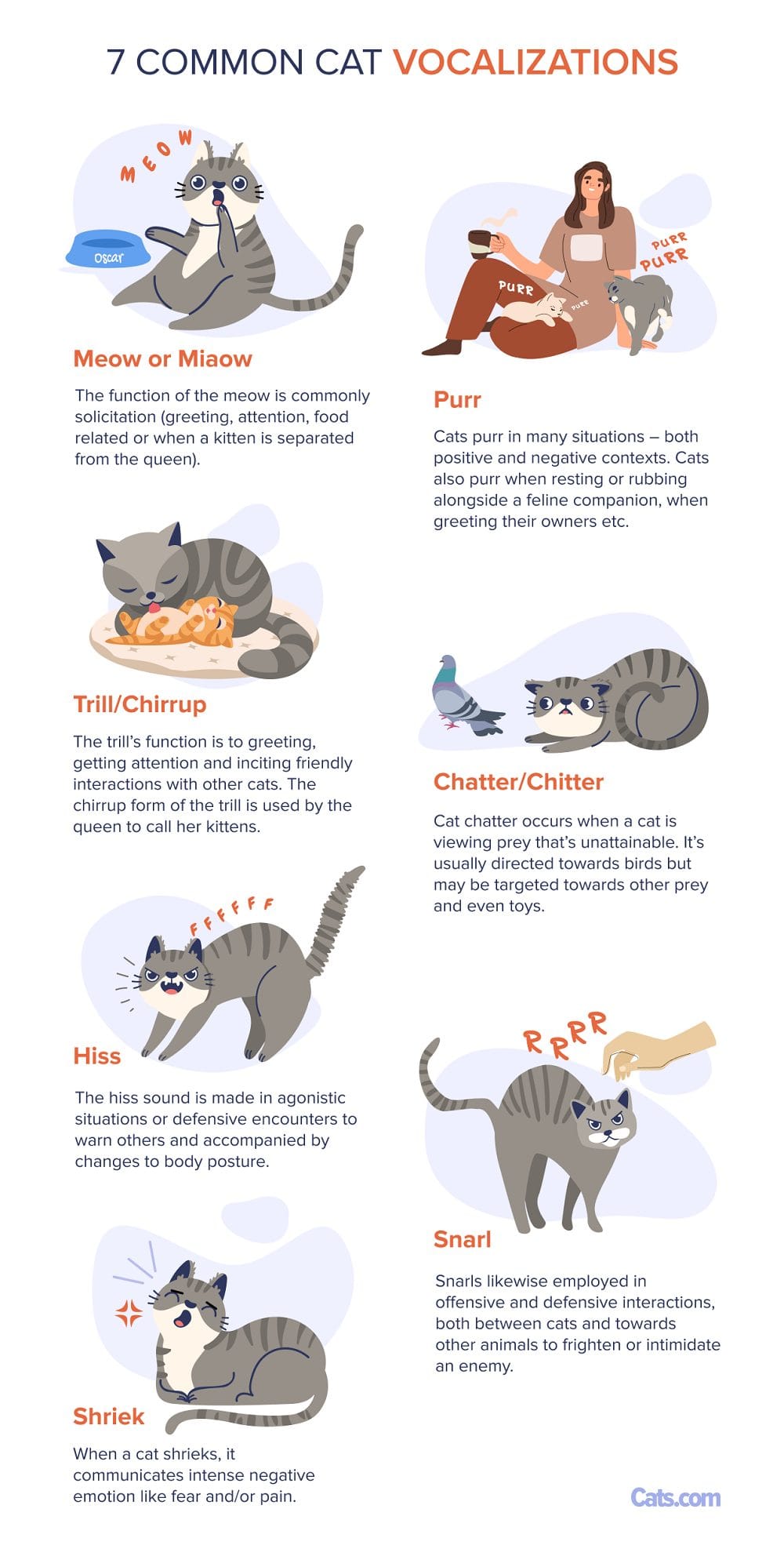
Cats communicate through a variety of vocalizations, and you might find yourself wondering, “Why is my cat meowing so much?” While a certain level of meowing is normal, a sudden increase in vocalization can be a sign that something is amiss. Understanding the reasons behind your cat’s meows can help you address their needs and ensure their well-being. Cats often meow to get our attention, learning that this sound is an effective way to communicate their desires to humans.
Common Reasons for Feline Meowing
Cats vocalize for a multitude of reasons, ranging from simple requests to indications of underlying health issues. By observing your cat’s behavior, environment, and other accompanying symptoms, you can often pinpoint the cause of their increased meowing.
Medical and Physical Causes
- Pain or Discomfort: Cats in pain may exhibit restlessness and vocalize frequently, sometimes with sharp, piercing cries if the discomfort is severe. Prompt veterinary attention is crucial if you suspect your cat is in pain. Recognizing signs of pain in cats is essential for their care.
- Urinary Issues: Meowing in or around the litter box can indicate discomfort during urination or defecation. This could signal a urinary tract infection or other related problems.
- Kidney Disease: While not the most common cause, kidney disease can lead to increased restlessness and vocalization in cats. Other symptoms may include decreased appetite and increased thirst and urination. Understanding kidney disease in cats is important for early detection.
- Hyperthyroidism: This endocrine disorder, more prevalent in senior cats, can cause increased vocalization due to the cat’s “high drive” state. Hypertension can also be a secondary symptom.
- Hypertension (High Blood Pressure): Similar to hyperthyroidism, high blood pressure can make cats more vocal and restless.
- Feline Cognitive Dysfunction: As cats age, they can develop cognitive decline, similar to Alzheimer’s in humans. This can manifest as unusual behaviors, including persistent and excessive meowing. Feline cognitive dysfunction syndrome requires management and care.
- Sensory Loss (Deafness or Blindness): Cats losing their hearing or sight may become more vocal as they rely on sound or sight less to navigate their environment.
- Hunger or Thirst: A simple meow can indicate that your cat is hungry or thirsty, often accompanied by them leading you to their food or water bowl.
- Upper Respiratory Infections: A hoarse or changed meow, often accompanied by other cold-like symptoms, can signal an upper respiratory infection.
Behavioral and Environmental Causes
- Boredom or Loneliness: Some cats meow excessively when they are bored or feel lonely and crave interaction.
- Stress or Fear: Changes in environment, loud noises, or stressful situations like a vet visit can cause cats to become vocal.
- Attention Seeking: Cats quickly learn that meowing is an effective way to get their owner’s attention. This can become a learned behavior if they consistently get what they want by vocalizing.
- Dirty Litter Box: Cats are meticulous about cleanliness. A soiled litter box can lead to vocal complaints from your feline friend. Maintaining a clean litter box is crucial for their comfort.
- Desire to Play: Especially in younger cats, meowing can be an invitation to play, sometimes accompanied by them presenting a toy.
- Breed Tendencies: Certain breeds, such as Siamese, Bengals, Sphynx, and Tonkinese, are naturally more vocal than others.
- Mating Behavior: Unneutered male and unspayed female cats in heat can be extremely vocal, exhibiting yowling and caterwauling. Neutering and spaying can significantly reduce this behavior.
Addressing Nighttime Meowing
Cats are crepuscular, meaning they are most active at dawn and dusk. This can lead to them being vocal at night. If your cat meows at night, it’s important not to immediately reward them with attention or food, as this reinforces the behavior. Instead, ensure their basic needs are met and consider environmental enrichment to combat boredom. Health issues like hyperthyroidism or cognitive dysfunction can also contribute to nighttime vocalizations.
Kitten Vocalizations
Kittens meow more frequently than adult cats as they are still developing their communication skills. Their meows usually express basic needs like hunger, a desire for play, or a need for comfort. If a kitten’s meowing seems excessive or indicates distress, a veterinary check-up is recommended to rule out any underlying health problems.
Changes in Meow Sound
A sudden change in the sound of your cat’s meow, such as a hoarse or raspy tone, warrants a veterinary visit. This could indicate laryngitis, an upper respiratory infection, or more serious conditions like laryngeal paralysis or tumors.
What to Do If Your Cat Won’t Stop Meowing
- Check Basic Needs: Ensure your cat has adequate food, fresh water, a clean litter box, and opportunities for play and attention. A cat water fountain might encourage water intake and keep it fresher.
- Rule Out Medical Issues: Sudden or excessive meowing can be a sign of pain or illness. Schedule a vet appointment to rule out any underlying health conditions.
- Don’t Reward Unwanted Behavior: If you’ve confirmed all needs are met and there’s no medical issue, avoid giving attention to meowing. Ignore the vocalization until your cat is quiet, then offer praise or interaction. Never scold or punish your cat for meowing, as this can damage your bond and create fear.
- Consider Neutering/Spaying: If your cat is unneutered or unspayed, this procedure can significantly reduce hormone-driven vocalizations.
When to Consult a Veterinarian
- Your male cat is meowing loudly and straining to urinate (potential urinary blockage).
- Your cat shows signs of distress, pain, or open-mouth panting while meowing.
- You notice other symptoms like weight loss, appetite changes, or altered urination habits.
- You cannot identify a cause for the excessive meowing or a change in the meow’s sound.
Veterinary Diagnosis
Veterinarians will conduct a thorough physical examination, ask detailed questions about your cat’s behavior and history, and may recommend blood work and urinalysis to diagnose the cause of excessive meowing. Treatment plans may include behavioral modification, environmental enrichment, medication, or addressing underlying medical conditions.
This article was written by Dr. Sandra C. Mitchell, a veterinarian with extensive experience in small animal practice.
