
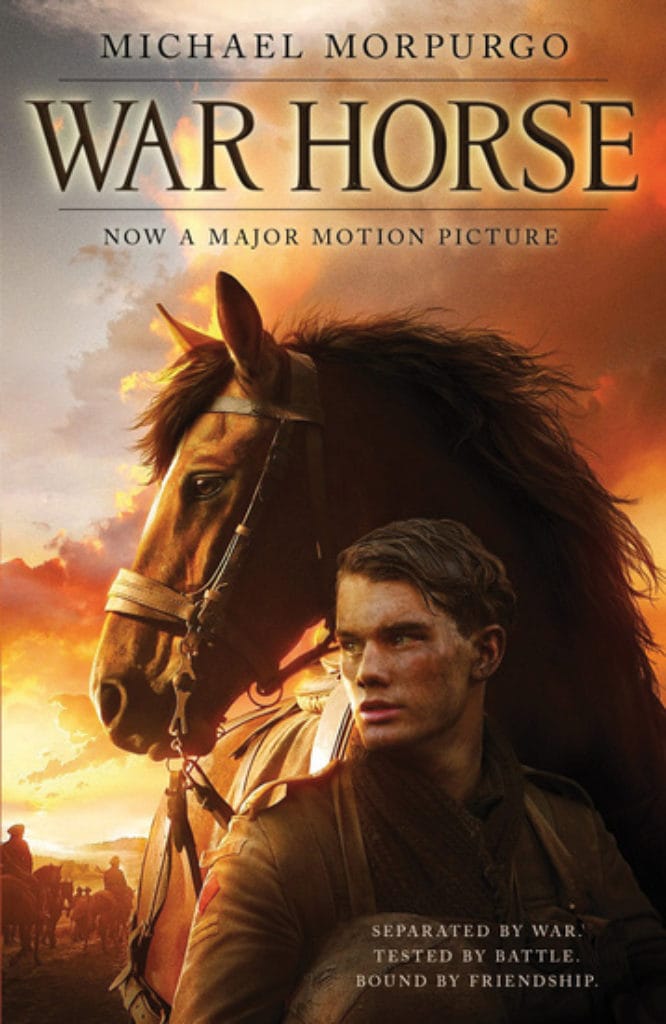
The epic film War Horse captivated audiences with its poignant tale of a young man, Albert, and his beloved horse, Joey, separated by the brutal realities of World War I. The movie’s powerful depiction of courage, loyalty, and the bond between human and animal left many wondering: is the movie War Horse based on a true story? The answer is a beautiful blend of historical fact and heartfelt fiction, inspired by the real-life accounts of veterans.
While Joey and Albert’s specific narrative is a work of fiction, it is deeply rooted in the authentic experiences of soldiers and their horses during the Great War. The story was conceived by author Michael Morpurgo, who learned about the immense role horses played in the conflict from the very men who witnessed it firsthand. He was inspired by conversations with World War I veterans in his village of Iddesleigh in Devon, particularly a man named Captain Budgett who had served with the cavalry. Another veteran, Trooper Alfie Hobbs, openly wept as he recounted his time with his beloved horse, reminding Morpurgo of the profound connections forged amidst the chaos of war. These genuine emotions and memories formed the emotional core of the story.
The Real-Life Inspirations Behind the Story
The journey of War Horse from a children’s novel to a celebrated play and finally a blockbuster film is a story in itself. It began not with a single true story, but with a collection of powerful historical truths and personal accounts that author Michael Morpurgo painstakingly wove together.
Michael Morpurgo’s Encounter with History
The seed for War Horse was planted when Michael Morpurgo met World War I veterans in his local pub. He was particularly moved by the story of a veteran from the Devon Yeomanry who spoke of his horse with deep affection and sorrow. This veteran confided in Morpurgo about the promises made to the soldiers—that they could buy their horses back after the war—and the heartbreak of leaving them behind. This conversation, filled with raw emotion, became the foundational inspiration for Albert’s unwavering dedication to Joey. The author also discovered a painting from 1917 by F. Matania, depicting a cavalry charge on the Western Front, which showed horses entangled in barbed wire. This stark image powerfully conveyed the terror these animals faced and further fueled his desire to tell their story.
From Book to Stage to Screen
Michael Morpurgo published the novel War Horse in 1982. It tells the story from Joey’s perspective, a unique narrative choice that gives a voice to the millions of silent, four-legged heroes of the war. For years, the book was a beloved classic but remained relatively unknown to a wider audience.
That all changed in 2007 when the National Theatre in London adapted the book into a groundbreaking stage play. Using astonishing life-sized horse puppets created by the Handspring Puppet Company, the play brought Joey’s story to life in a visually stunning and emotionally resonant way. It became a global phenomenon, winning numerous awards and introducing War Horse to millions. The play’s success caught the attention of legendary director Steven Spielberg, who saw its cinematic potential. In 2011, Spielberg’s film adaptation was released, transforming the touching story into a sweeping cinematic epic and cementing its place in popular culture. The film’s portrayal of loyalty and loss resonates with audiences, much like the questions surrounding whether is horse a true story often do.
The Historical Reality of Horses in World War I
While the specific story of Joey is fictional, the historical context is devastatingly real. The British Army conscripted over a million horses and mules for the war effort, purchasing them from families and farms across the country. These animals served in numerous capacities, from cavalry mounts in the early days of the war to beasts of burden that transported ammunition, supplies, and artillery through treacherous terrain where motor vehicles could not go.
The conditions they faced were horrific. They endured shelling, machine-gun fire, gas attacks, and the constant misery of mud, disease, and starvation. The life of a war horse was often brutal and short. Of the one million horses that left Britain for the Western Front, only an estimated 62,000 returned home. The rest perished in battle, succumbed to illness, or were sold for labor or meat in the countries where they last served. This tragic reality is the historical bedrock upon which the fictional tale of War Horse is built. Joey’s journey reflects the experiences of countless real horses, making his story a tribute to their forgotten sacrifice.
Were Horses Really Sold at Auction After the War?
A pivotal and heartbreaking element of the story is the fate of the surviving horses. It is historically accurate that hundreds of thousands of army horses were sold off at the end of the war. The British Army, facing the logistical and financial challenge of repatriating so many animals, deemed it more practical to sell them locally in places like France, Belgium, and Egypt. Soldiers were technically given the chance to buy their horses, but the cost and complexity of bringing them home were prohibitive for most. The deep bond between a soldier and his horse made this separation an agonizing experience, a painful truth that Michael Morpurgo masterfully captured in his narrative. The emotional weight of this separation is a powerful theme, not unlike the gut-wrenching scene of the neverending story horse stuck in mud, which leaves a lasting impact on the audience.
Fictional Characters in a Real-World Conflict
The human characters in War Horse are also fictional creations, but they represent the real people who lived, fought, and died during the Great War.
Albert Narracott and Captain Nicholls
Albert’s unwavering devotion to Joey is the heart of the story. He represents the ordinary farm boys who were thrust into an extraordinary and terrible conflict, holding onto a sliver of hope to survive. Captain Nicholls, the compassionate officer who promises Albert he will look after Joey, embodies the decency and honor of many soldiers who formed strong bonds with their animals. His character provides a human face to the cavalry units of the British Army.
Emilie and the German Soldiers
Joey’s journey brings him into contact with people on all sides of the conflict, including the young French girl Emilie and several German soldiers. These characters serve an important purpose: they humanize the “enemy” and illustrate that compassion and kindness are not confined to one side of a battlefield. By showing a German officer caring for Joey, the story emphasizes a shared humanity that transcends national loyalties. It underscores the idea that in war, suffering is universal, affecting people and animals alike.
What is the Central Message of War Horse?
Ultimately, War Horse is not just a story about a boy and his horse; it is a powerful anti-war statement. By telling the story through the eyes of an innocent animal caught in the crossfire, it highlights the futility and senselessness of human conflict. Joey is a neutral observer who experiences kindness and cruelty from both sides, exposing the shared humanity of all soldiers. The film and book serve as a poignant reminder of the immense sacrifice made not only by soldiers but also by the millions of animals who had no choice in the matter. The story is a tribute to their loyalty, courage, and unspoken contribution. This exploration of animal bravery has parallels to other cinematic tales, such as the question of is the movie war horse based on a true story itself, which delves into similar themes.
The enduring popularity of War Horse lies in its ability to connect with a universal audience. It’s a story of hope, resilience, and the unbreakable bonds of friendship set against one of history’s darkest chapters. While the specific journey of Albert and Joey may be fiction, the movie is profoundly true in its emotional honesty and its tribute to the real experiences of men and animals in World War I.
Frequently Asked Questions
Is Joey from War Horse a real horse?
No, Joey is a fictional character created by author Michael Morpurgo. However, his experiences were inspired by the true stories of the millions of horses that served and died in World War I, making him a symbol of their collective sacrifice.
What was the inspiration for the book War Horse?
Michael Morpurgo was inspired by conversations with World War I veterans in his village, particularly one who had served in the cavalry and spoke emotionally about his horse. He was also inspired by a historical painting of horses caught in barbed wire during a cavalry charge.
How many horses died in World War I?
An estimated eight million horses, donkeys, and mules died on all sides during World War I. The British Army alone lost over 484,000 horses. These staggering numbers highlight the immense scale of animal involvement and loss in the conflict.
Did any horses return home after WWI?
Yes, but very few. Of the one million horses that served with the British forces, only about 62,000 were returned to Britain after the war. The vast majority either died in combat, succumbed to disease, or were sold to locals for labor after the war ended.
Is the play different from the movie?
While both are based on the same book, there are differences. The play is famous for its use of life-sized puppets to represent the horses, creating a unique theatrical experience. The movie, directed by Steven Spielberg, uses real horses and has a more sweeping, cinematic scope, expanding on some of the battles and landscapes.
