
Bringing a new cockatiel into your home is an exciting experience, but witnessing their first molt can be a cause for concern. Feathers scattered around the cage, a seemingly moody bird, and the uncertainty of whether this is normal or a sign of illness can be unsettling. This guide aims to demystify the cockatiel molting process, helping you understand what to expect, how to support your feathered friend, and when professional veterinary care is necessary. We’ll cover everything from the natural feather renewal cycle to specific nutritional needs and comfort measures during this crucial period.
Understanding the Natural Feather Renewal Cycle
Why Cockatiels Molt
Molting is a natural and essential biological process for cockatiels, serving as their method for replacing old, damaged, or worn-out feathers. This renewal is critical for maintaining their plumage, ensuring optimal flight capabilities, proper insulation against temperature changes, and aiding in their preening routine. Generally, a cockatiel will undergo several molts throughout the year.
Behavioral Changes During Molt
During a molt, you might observe changes in your cockatiel’s behavior, such as reduced activity levels, less frequent vocalizations, or increased preening and scratching. These are normal responses to the physical demands of growing new feathers. Your bird’s body is dedicating significant energy and resources to this process.
Juvenile vs. Seasonal Molts
Young cockatiels typically experience their first significant molt, known as the juvenile molt, between the ages of six to twelve months. This is when their initial “baby” feathers are replaced by the more mature plumage and coloration of an adult bird. Following this initial molt, cockatiels usually undergo seasonal molts, often occurring in the spring and fall. These seasonal molts are thought to prepare them for breeding seasons or the changing environmental conditions of winter.
The Cockatiel Molt Cycle Explained
Timing and Triggers
The molting cycle in cockatiels is often influenced by external factors, with changes in daylight hours being a primary trigger. Increased daylight in the spring can signal the onset of breeding season and prompt a molt, while decreasing daylight in the fall may signal a need to prepare for winter. Environmental shifts such as changes in temperature, humidity, and even disruptions in a household’s routine can also play a role in triggering a molt.
Individual Differences in Molting
It is important to recognize that not all cockatiels molt in precisely the same way or on the same schedule. Some birds may experience very light molts, shedding only a few feathers at a time, while others might undergo more dramatic and noticeable feather loss. Understanding your individual bird’s molting pattern will help you distinguish between normal molting and potential health issues.
Identifying a Molting Cockatiel
Visual and Behavioral Signs
Visible signs of molting include the presence of new pin feathers—stiff, white quills emerging from the skin, which are encased in keratin—particularly on the head, chest, or wings. You will also likely notice an increased number of shed feathers in the cage. Behaviorally, a molting cockatiel may appear more withdrawn or quiet. This is because their body is expending extra energy to grow new feathers, which are primarily composed of protein. The sensitivity of developing pin feathers can also lead to a reluctance to be handled or a decrease in vocalizations. During this sensitive period, engaging with your bird through gentle conversation or singing can be a comforting alternative to physical handling. Offering protein-rich treats, such as millet or cooked quinoa, can also provide both nutritional support and a gesture of affection.
Common Changes During a Molt
Increased scratching and rubbing are common behaviors during a molt as your cockatiel attempts to break down the keratin sheaths covering the new pin feathers. You may observe them rubbing their heads or necks against perches to help loosen these sheaths. In areas they cannot easily reach, such as their crest, a soft toothbrush can be used for gentle grooming, provided your bird tolerates and enjoys this. Bathing or misting with water can also help soften the keratin sheaths and soothe dry, itchy skin, offering significant relief. The sensation of growing new feathers can be uncomfortable, similar to teething in young children. Our Aloe Vera Spray offers natural analgesic properties that can reduce inflammation around the feather follicles and moisturize the skin, easing the molting process for your cockatiel.
Distinguishing Molting from More Serious Issues
When to Seek Veterinary Advice
Certain signs may indicate that your cockatiel’s feather loss is more than just a normal molt. These include the presence of bald patches, scabs, red or swollen skin, or visible signs of feather plucking. Such symptoms could be indicative of underlying health problems like infections, parasitic infestations (e.g., mites), or stress-related feather plucking. Excessive fatigue or a general unwell appearance also warrants veterinary attention.
Recognizing the Difference
A normal molt is characterized by gradual and symmetrical feather loss. For instance, a feather lost from the right wing will typically be mirrored by a similar loss on the left wing. In contrast, feather plucking is often targeted, resulting in patchy areas where feathers have been deliberately removed. Understanding this distinction is crucial for providing appropriate care.
| When birds are plucking, they tend to fixate on one area, picking at the same spot repeatedly and intensely. In contrast, normal preening looks more relaxed and rhythmic, as they move from feather to feather, gently grooming each one.Diane Burroughs, LCSWMay 10, 2025 |
|---|
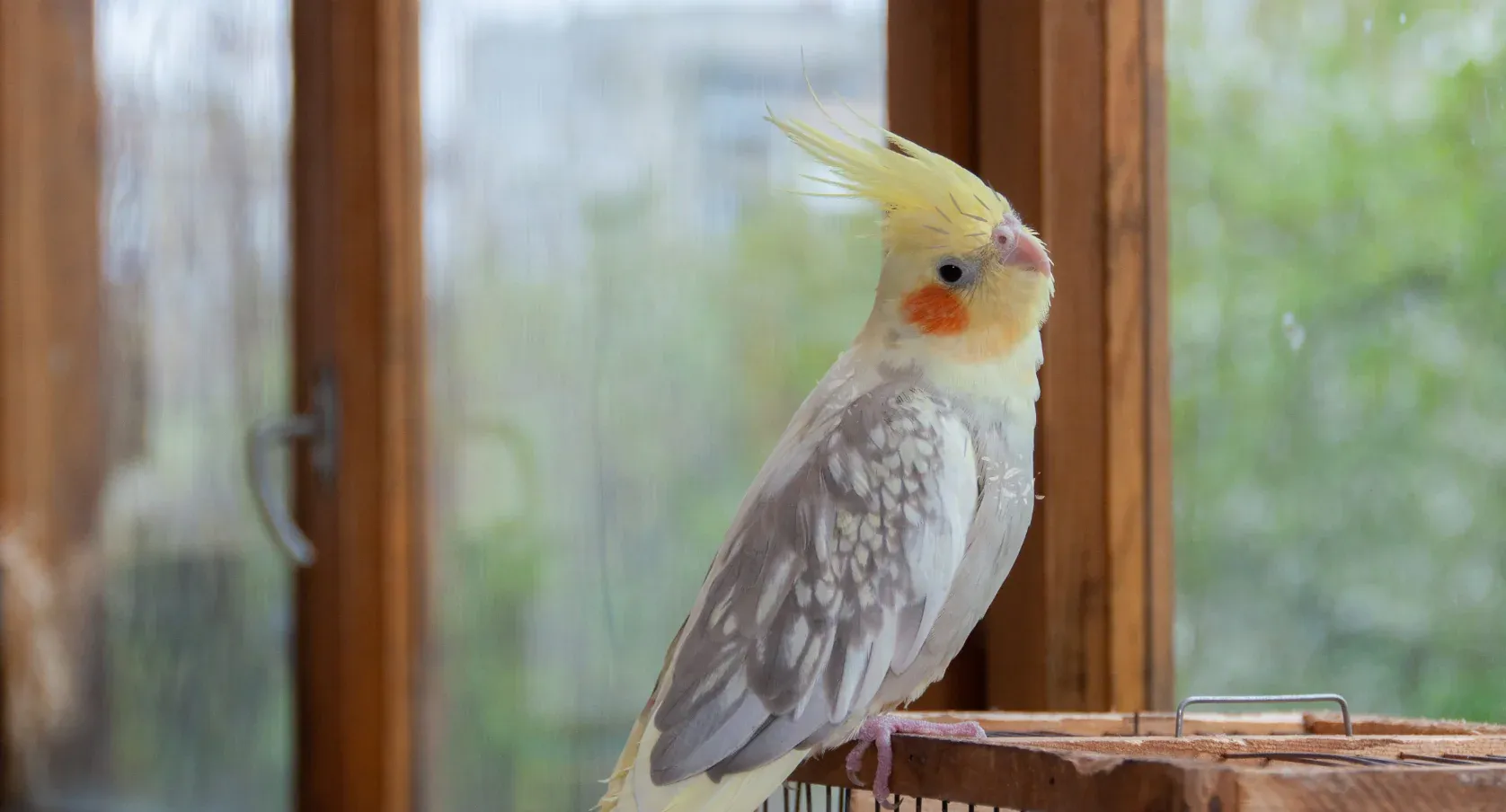 molting cockatiel
Nutritional Support During a Cockatiel’s Molt
Essential Nutrients for Feather Growth
Feathers are primarily composed of keratin, a protein that requires specific amino acids for its formation. During a molt, your cockatiel’s dietary needs increase to support the growth of strong, healthy feathers. A deficiency in these essential nutrients can result in dull, brittle, or ragged-looking feathers. Beyond protein, biotin, omega-3 fatty acids, vitamin A, and calcium are also vital for maintaining healthy skin and promoting optimal feather growth. Supplements like FeatherUp can help bridge any nutritional gaps during this period.
Recommended Foods
A balanced diet for a molting cockatiel should include a base of high-quality pellets. Supplement this with fresh, leafy greens, finely chopped vegetables and fruits, and nutrient-dense seeds such as chia and flax seeds (offered in moderation). Relying solely on a seed-based diet is not recommended, especially during molting season.
Enhancing Comfort During a Cockatiel’s Molt
Alleviating Irritation and Itching
Misting your cockatiel with water or using a specialized aloe spray can provide relief from skin irritation and itching. It is essential to ensure your bird is in a warm, draft-free environment to dry off completely after misting. Importantly, never attempt to pull out pin feathers, even if your bird appears uncomfortable or is scratching at them. This can cause significant pain and bleeding, and forces the bird’s body to expend unnecessary energy on regrowth.
| Never pull out pin feathers—even if your bird is scratching at them. This is really painful for your bird and forces their body to regrow the feather, wasting energy.Diane Burroughs, LCSWMay 10, 2025 |
|---|
Cage Setup and Rest
Providing perches made of soft rope or natural wood can assist your cockatiel in gently removing the keratin sheaths from pin feathers through rubbing. Maintaining a calm and stable cage environment is also crucial, as even minor disruptions can increase stress levels. Molting birds benefit from increased rest. Consider dimming the lights earlier in the evening or ensuring periods of quiet to support their recovery.
Creating a Cockatiel Molt Care Plan
Daily and Weekly Actions
- Morning & Evening: Mist your cockatiel with Aloe Vera Bird Spray for skin relief.
- Feeding Time: Add FeatherUp! bird feather growth vitamins to moist food twice daily while pin feathers are present.
- Weekly: Offer bird safe red palm oil three times a week to provide vitamin A, which helps maintain supple skin.
Duration of the Care Plan
Begin implementing this care plan as soon as you notice the first fallen feathers and continue until the molting process is complete, which typically lasts for four to six weeks. Consistent adherence to the plan will aid your bird in recovering more quickly and regrowing healthy, full plumage.
When to Be Concerned About a Molting Cockatiel
Identifying Warning Signs
Contact your veterinarian immediately if your cockatiel exhibits signs of weakness, develops bald spots, engages in feather plucking, or stops eating. These symptoms deviate from typical molting behavior. Persistent feather loss, changes in droppings, or pronounced social withdrawal could indicate a more serious underlying health issue. A routine wellness check by an avian or exotic pet veterinarian can provide peace of mind and ensure your pet’s safety.
Proactive Care for Overall Health
Cockatiels, especially during their molting periods, thrive with proactive care that includes a calm environment, gentle handling, and a complete, nutritious diet. By consistently providing this support, you contribute to your bird’s overall health and well-being throughout the year.
Related Posts:
The Ultimate Guide to Molting in Parrots
Help! My Parakeet Is Molting —Now What?
References:
Groom, J. V., II, & Williams, D. L. (2015). Feather loss and feather damaging behavior in psittacine birds: A review of anatomy, causes, and treatment. Journal of Exotic Pet Medicine, 24(3), 210–220. https://doi.org/10.1053/j.jepm.2015.06.002
Jayson, S. L., Bennett, R. A., & Ballard, B. (2022). Behavioral and environmental management of common feather disorders in companion birds. Veterinary Clinics: Exotic Animal Practice, 25(1), 1–16. https://doi.org/10.1016/j.cvex.2021.10.001
Speer, B. L. (2016). Current veterinary therapy in exotic pet practice. Elsevier Health Sciences.
Link to this blog
Burroughs, D. (2025, May 19). Help! My parakeet is molting—Now what? BirdSupplies.com. https://birdsupplies.com/blogs/news/146105479-what-you-should-know-about-molting-parrots?pb=0
Diane Burroughs, LCSW, brings over 30 years of experience helping bird lovers build stronger, healthier bonds with their parrots. With a foundation in psychotherapy and Applied Behavior Analysis (ABA), Diane combines proven behavioral science with simple, real-life strategies anyone can use. Through her books, behavior consultations, and UnRuffledRx parrot wellness products, she’s dedicated to helping real bird owners create trust, confidence, and a lifetime of positive experiences with their feathered companions.
Diane’s products been featured in the Journal of Avian Medicine and Surgery and at ExoticsCon, a national conference for exotic animal veterinarians. Her bird collars and supplements are trusted by avian vets and stocked in vet clinics across the U.S. With thousands of individualized behavior plans under her belt, Diane’s mission is simple: to help parrots and their people thrive together.
