
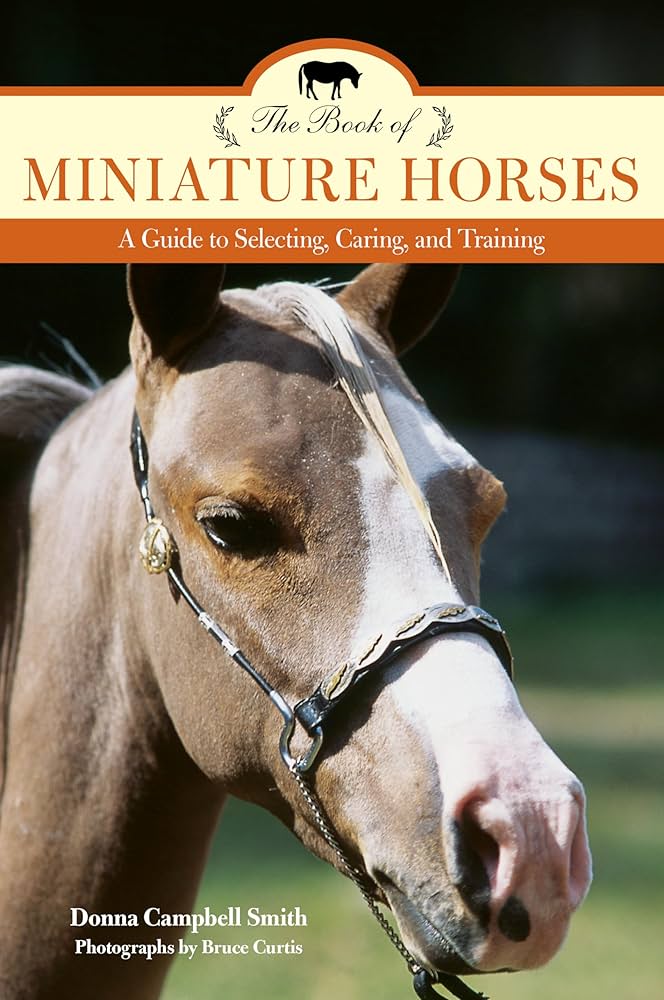
Training a miniature horse to drive is a rewarding experience that strengthens the bond between horse and handler. It requires patience, consistency, and a clear understanding of equine behavior. This guide will walk you through the essential steps, from initial halter training to advanced driving techniques, ensuring a safe and enjoyable journey for both you and your miniature horse. We’ll cover everything from the basic equipment needed to the nuances of teaching your horse voice commands and responding to rein cues.
Understanding Miniature Horses and Driving
Miniature horses, despite their small stature, possess the same intelligence, spirit, and trainability as their larger counterparts. Driving, or “carting,” involves harnessing the horse to a cart or carriage and teaching it to respond to commands to pull it. This activity is not just a recreational pursuit; it’s an excellent way to provide mental and physical stimulation for your horse, keeping them engaged and well-behaved. The inherent nature of miniature horses makes them well-suited for driving due to their manageable size and often eager-to-please temperament.
Essential Equipment for Driving
Before you begin training, ensure you have the correct equipment. Using ill-fitting or inappropriate gear can cause discomfort, fear, and ultimately hinder the training process.
Halters and Lead Ropes
- Halter: A well-fitting nylon or leather halter is crucial for groundwork. It should be snug enough not to slip but not so tight as to cause chafing.
- Lead Rope: A 6-8 foot lead rope is standard for handling.
Harness
- Miniature Horse Specific Harness: This is paramount. Standard horse harnesses are too large. A good miniature horse harness includes:
- Collar: Padded to distribute pressure comfortably around the neck and shoulders. There are different types, like the breast collar and the full collar, depending on the horse’s conformation and intended use.
- Harness Leather: Durable and comfortable for the horse.
- Breeching: Straps that go around the hindquarters, allowing the horse to control the cart’s speed by pushing against it.
- Traces: Straps that connect the cart to the harness, enabling the horse to pull.
- Girth: Secures the harness around the horse’s barrel.
- Backband: Supports the breeching and holds the harness in place.
- Fitting: Proper fitting is non-negotiable. A poorly fitted harness can cause sores, restrict movement, and create dangerous situations. Consult with experienced drivers or a harness maker if unsure.
Cart or Carriage
- Lightweight Cart: For training, a lightweight, maneuverable cart is ideal. It should be proportionate to the size of your miniature horse.
- Adjustable Shafts: Allow you to adjust the length of the shafts to fit your horse comfortably, ensuring they don’t rub or interfere with their movement.
- Safety Features: Brakes are highly recommended, especially for training.
Driving Whips and Lines
- Driving Whip: A long, lightweight whip (around 4-5 feet) is used for directional cues and encouragement, not for punishment.
- Reins (Lines): These connect from the bit, over the horse’s back, to the driver’s hands. They should be made of comfortable material and allow for clear communication.
Phase 1: Groundwork and Desensitization
This foundational phase is critical for building trust and ensuring your horse is comfortable with handling and equipment. This is where you’ll establish the core of your communication, making later stages much smoother.
Halter Breaking and Leading
- Ensure your miniature horse is comfortable wearing a halter and responding to gentle pressure on the lead rope.
- Practice leading at a walk, trot, and halt, teaching them to yield to pressure and move forward when cued.
- Introduce voice commands like “walk on,” “whoa,” and “easy.”
Desensitization
- Tack Familiarization: Let your horse see, smell, and investigate the harness components individually. Rub them gently with the leather, letting them get used to the texture and scent.
- Phantom Drafting: Attach harness parts to a fence or a specialized “phantom” rig. Allow the horse to move around them, getting used to the feel of straps and buckles near their body without the full pressure of the harness.
- Introducing Movement: Gently swing harness parts near the horse. Gradually progress to draping them over the horse’s back and sides while you hold them, always rewarding calm behavior.
Introducing the Harness
- First Fitting: Introduce the harness piece by piece. Start with the collar, then the girth, then the traces, and finally the breeching.
- Short Sessions: Keep initial sessions very short (5-10 minutes). Focus on positive reinforcement: treats, praise, and calm handling.
- Comfort Checks: Regularly check for any signs of pinching, rubbing, or discomfort. Remove the harness immediately if the horse shows distress.
- Walking in Harness: Once comfortable, take the horse for short walks around the stable or paddock while wearing the harness. This helps them get used to the feel and weight.
Phase 2: Introducing the Cart (Simulated Pulling)
This phase bridges the gap between groundwork and actual driving. We simulate the feeling of pulling weight without the complexity of steering.
Phantom Drafting with Weight
- If you have a phantom rig, you can attach the cart shafts to it.
- Alternatively, you can use a specialized training cart with the shafts raised off the ground, or even just the harness connected to a very light training bar.
- The goal is for the horse to feel the weight and resistance of the shafts against their sides and understand that they are meant to move forward and pull.
Attaching to a Lightweight Training Cart
- Once the horse is comfortable with the harness and the idea of resistance, attach them to a very light training cart.
- Ensure shafts are correctly positioned: They should not dig into the horse’s sides or restrict their movement. They should extend slightly in front of the horse.
- Start with no load: Have the horse stand with the cart attached. Reward calm behavior.
- Gentle Pulling: Encourage the horse to take a few steps forward. Use a clear voice command like “walk on” and gentle rein cues. Keep initial sessions extremely short and positive.
Phase 3: First Drives
This is where you transition to driving with reins and controlling the cart’s direction.
Basic Driving Commands
- Voice Commands: Reinforce “walk on,” “whoa,” and introduce “gee” (right) and “haw” (left).
- Rein Cues:
- Stopping: Gentle but firm backward pressure on both reins.
- Turning: Apply pressure on the rein in the direction you want to turn (e.g., left rein for a left turn), while slightly relaxing the other rein.
- Forward: A slight release of pressure combined with a voice cue.
Early Driving Sessions
- Start in a Safe Area: A small, enclosed arena or a quiet, flat field is ideal. Avoid busy roads or uneven terrain initially.
- Short and Sweet: Keep the first few drives very short. End on a positive note before the horse gets tired or frustrated.
- Focus on Straight Lines: Initially, focus on getting the horse to move forward in a straight line and respond to “whoa.”
- Introduce Gentle Turns: Once straight-line movement is reliable, introduce gradual turns.
- Consistency is Key: Practice regularly, even if it’s just for 10-15 minutes.
Advanced Driving and Refinements
As your miniature horse gains confidence and understanding, you can introduce more complex elements.
Steering and Control
- Precision Turns: Practice sharper turns and figure-eights. This requires clear communication through the reins and body language.
- Speed Control: Teach the horse to maintain a steady pace and to slow down or speed up on command.
- Backing Up: This is an important safety skill. Teach the horse to back up a few steps on command.
Obstacle Training
- Introduce simple obstacles like cones, poles on the ground, or gentle inclines. This helps build confidence and responsiveness.
- Example: Have the horse walk between two cones, or step over a single pole. Always ensure the obstacles are safe and not intimidating.
Road Work (with caution)
- Once your horse is confident and responsive in a controlled environment, you can introduce driving on quiet roads.
- Safety First: Always ensure you are visible to traffic. Use appropriate signaling and be aware of your surroundings.
- Gradual Progression: Start with short trips on very quiet lanes and gradually increase the duration and complexity.
Common Issues and Solutions
Reluctance to Move Forward
- Cause: Fear, confusion, lack of understanding, or discomfort from ill-fitting tack.
- Solution: Go back to basics. Ensure the harness fits perfectly. Use positive reinforcement and break down the task into smaller steps. Reward any forward movement, no matter how small.
Refusal to Turn or Go in a Specific Direction
- Cause: Misunderstanding rein cues, fear of the direction, or physical limitation.
- Solution: Revisit basic rein cue training. Ensure your cues are clear and consistent. Make sure the horse understands “gee” and “haw.” If it’s a consistent issue in one direction, check for harness issues or physical discomfort.
Excessive Speed or Pulling
- Cause: The horse doesn’t understand how to control speed, or is excited.
- Solution: Reinforce the “whoa” command. Practice stopping frequently. Use the reins and your body language to slow the horse. Ensure they are not getting over-excited.
Fear of the Cart or Harness
- Cause: Insufficient desensitization or a negative early experience.
- Solution: Go back to the desensitization phase. Introduce the equipment slowly and positively. Ensure all interactions are calm and rewarding. Never force the horse.
Tips for Success and Safety
- Patience: Miniature horses can be stubborn but are also very intelligent. Patience and consistency are your greatest assets.
- Positive Reinforcement: Use treats, praise, and a calm demeanor to reward desired behaviors. Avoid punishment, which can create fear and distrust.
- Short Sessions: Keep training sessions short, especially in the beginning, to prevent fatigue and frustration. Always end on a positive note.
- Safety First: Always prioritize safety for both yourself and your horse. Wear appropriate safety gear, ensure equipment is in good condition, and be aware of your surroundings.
- Seek Experienced Guidance: If you are new to driving, consider working with an experienced trainer or mentor. They can offer invaluable advice and help you avoid common mistakes.
- Know Your Horse: Understand your horse’s individual personality, quirks, and limits. Tailor your training approach accordingly.
Training a miniature horse to drive is a journey that builds a partnership. By following these steps, focusing on positive reinforcement, and prioritizing safety, you can successfully train your miniature horse for the joys of driving. Remember that consistency, clear communication, and a deep understanding of your horse’s needs are the cornerstones of a successful driving program.
