
Spray millet, also known as finger millet, is a popular and beneficial treat for a wide variety of pet birds. Derived from a grass grain originally cultivated in Asia and Africa, it offers a nutritious, lower-fat alternative to other grains. This guide explores the benefits of spray millet, how it can be incorporated into your bird’s diet, and essential considerations for feeding it.
What is Spray Millet?
Millet is a type of grass grain. Spray millet, specifically, refers to the grain left on its natural stalk, presenting in tight, clustered sprays that can be several inches long. The seeds may appear reddish or tan and a shiny appearance signifies freshness and health. Its structure makes it ideal for smaller birds with delicate beaks to easily manipulate and extract the seeds.
Which Birds Enjoy Millet?
Many bird species, both wild and domesticated, are attracted to millet. Wild birds like finches, buntings, doves, and quail often forage on millet. For pet birds, common species that enjoy spray millet include:
- Budgies
- Canaries
- Cockatiels
- Doves
- Finches
- Lovebirds
- Parakeets
- Parrots
Spray millet is particularly well-suited for smaller birds due to the size and ease of handling the seeds. While larger birds like macaws and cockatoos may nibble on it, they typically don’t show the same level of enthusiasm as their smaller counterparts.
The Benefits of Spray Millet for Pet Birds
Feeding spray millet offers several advantages that contribute to a bird’s overall well-being:
- Natural Foraging Behavior: Picking seeds from the stalk satisfies a bird’s innate instinct to forage, providing mental stimulation and reducing boredom. This activity also helps exercise their beaks, keeping them in good condition.
- Stress Relief: The act of foraging and nibbling can help alleviate stress and anxiety in pet birds, promoting a calmer disposition. This is especially beneficial during stressful periods like molting.
- Nutritional Support During Key Life Stages: Spray millet is an excellent source of extra calories and protein, which is crucial for:
- Weaning Young Birds: It aids in healthy growth and development.
- Nesting Birds: Provides necessary nutrition and stress relief.
- Sick or Convalescing Birds: Its palatability can entice birds to eat, aiding in quicker recovery.
- Weight Management: For birds that are overweight, replacing a portion of their regular diet with spray millet can help reduce overall fat intake and support weight control.
- Digestibility: Millet is naturally alkaline, making it easier for birds to digest compared to other grains. This is particularly advantageous for birds with food sensitivities.
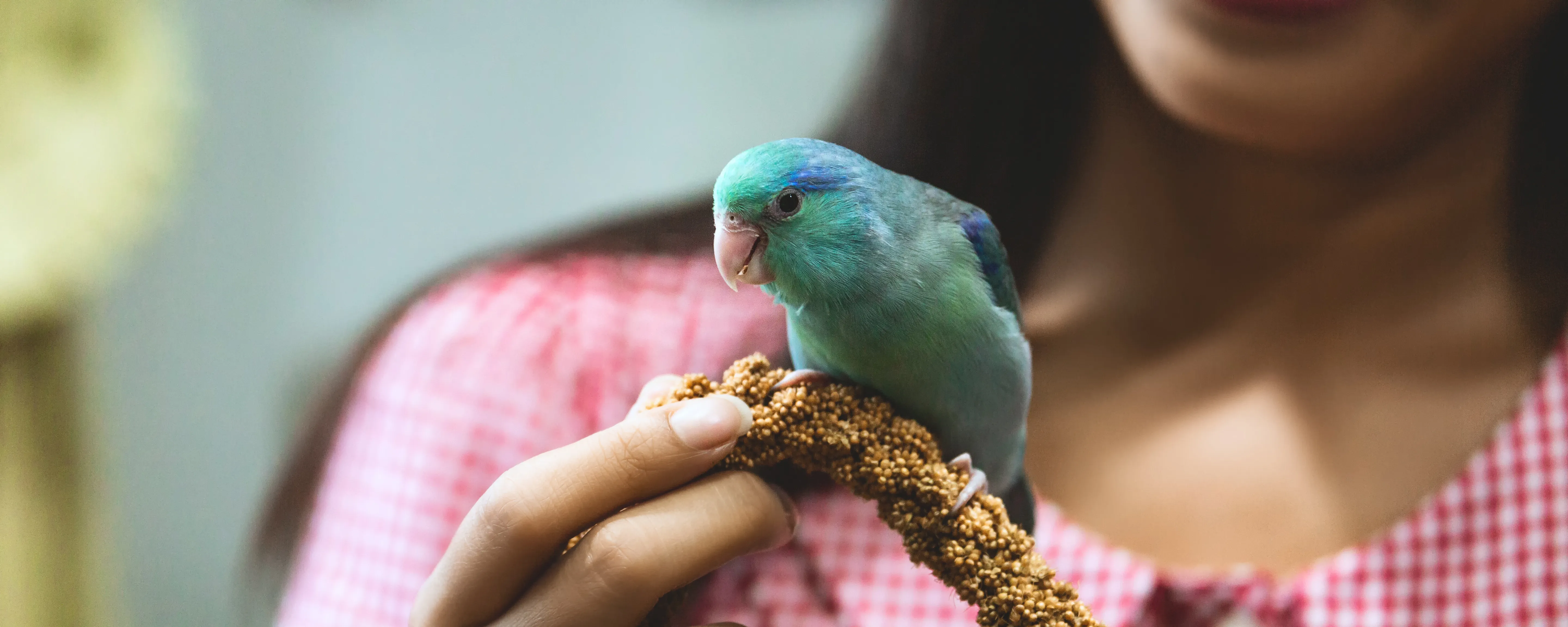 A bird eating spray millet
How to Feed Spray Millet to Your Birds
While highly nutritious, spray millet should be considered a treat and offered only occasionally as part of a balanced diet that includes seeds, pellets, fruits, and vegetables.
Feeding Guidelines:
- Offer After Regular Meals: To encourage healthy eating habits, ensure your bird has consumed its regular food before offering spray millet.
- Portion Control: Cut spray millet into smaller pieces to help regulate the amount your bird consumes.
- Placement: Securely clip or tie a spray to the side of the cage or suspend it from the top, ideally near a favorite perch. This placement encourages engagement and exercise.
- Avoid Floor Placement: Never place spray millet on the cage floor, as it can easily become contaminated with feces and other unsanitary debris.
Spray millet is readily available at most pet stores and can also be purchased online. Buying in bulk can be more economical. Unused sprays should be stored in a cool, dry, airtight container to maintain freshness.
Essential Supplies for Bird Ownership
Beyond treats like spray millet, ensuring your bird has the right habitat and supplies is crucial for its health and happiness.
Habitat
The size of the habitat should be the largest you can afford and accommodate. Square or rectangular cages are preferable to round ones, allowing more room for flight and movement. Ensure the bars are evenly spaced and not tapered, which can cause injury. A removable grate at the bottom is essential for waste management. Materials like stainless steel, powder-coated steel, or galvanized steel are recommended. Acrylic cages can be suitable for smaller birds, but adequate ventilation is key to prevent moisture buildup.
Bedding/Habitat Lining
Safe and easy-to-replace options include newspaper or commercial bird litters like Kaytee Walnut Litter. These allow for easy monitoring of droppings, which can be an indicator of a bird’s health.
Food and Water Containers
Stainless steel cups are ideal due to their ease of cleaning and disinfection. Plastic cups can become scratched, harboring bacteria. Birds can also be trained to use water bottles.
Diet
A balanced diet is paramount for long-term health. A pelleted or extruded diet is generally recommended, supplemented with fresh vegetables and fruits. High-fat seeds and nuts make excellent training treats. A seed-only diet can be deficient in essential nutrients, so providing a mineral block or cuttlebone is important unless the bird is on a primarily pelleted diet. Breeding females may require additional calcium.
Perches
Offer a variety of perch materials (natural branches, wood, plastic, rope, concrete, pumice) and diameters. Consistent use of the same perch can lead to foot disorders. Ideally, a bird’s foot should wrap approximately three-quarters of the way around the perch. Regularly changing perches can encourage birds to move and use different foot positions.
Bird Bath
Bathing is vital for a bird’s health, especially for those from humid climates. Birds may enjoy misting, shallow bowls, or even shower perches. Experiment to find your bird’s preferred bathing method.
Toys and Enrichment
Toys are essential for keeping birds active, entertained, and mentally stimulated. Provide a variety of toy types: cognitive toys, action toys, comfort toys, and destructible toys. Enrichment can also include videos, bird sounds, and foraging opportunities hidden in toys or homemade items.
Travel Carrier
A secure travel carrier is necessary for vet visits and other outings. While fabric carriers are popular, plastic airline kennels are easier to disinfect, which is important if the bird is ill. Ensure the carrier has adequate ventilation and a place for food and water. Making the carrier a positive experience by offering treats can help your bird associate it with good things.
In conclusion, while spray millet is a delightful and beneficial treat for your avian companions, it should be offered in moderation as part of a comprehensive care plan that includes a balanced diet, appropriate housing, and enriching activities. Always prioritize your bird’s health and consult with a veterinarian for personalized dietary recommendations.
