
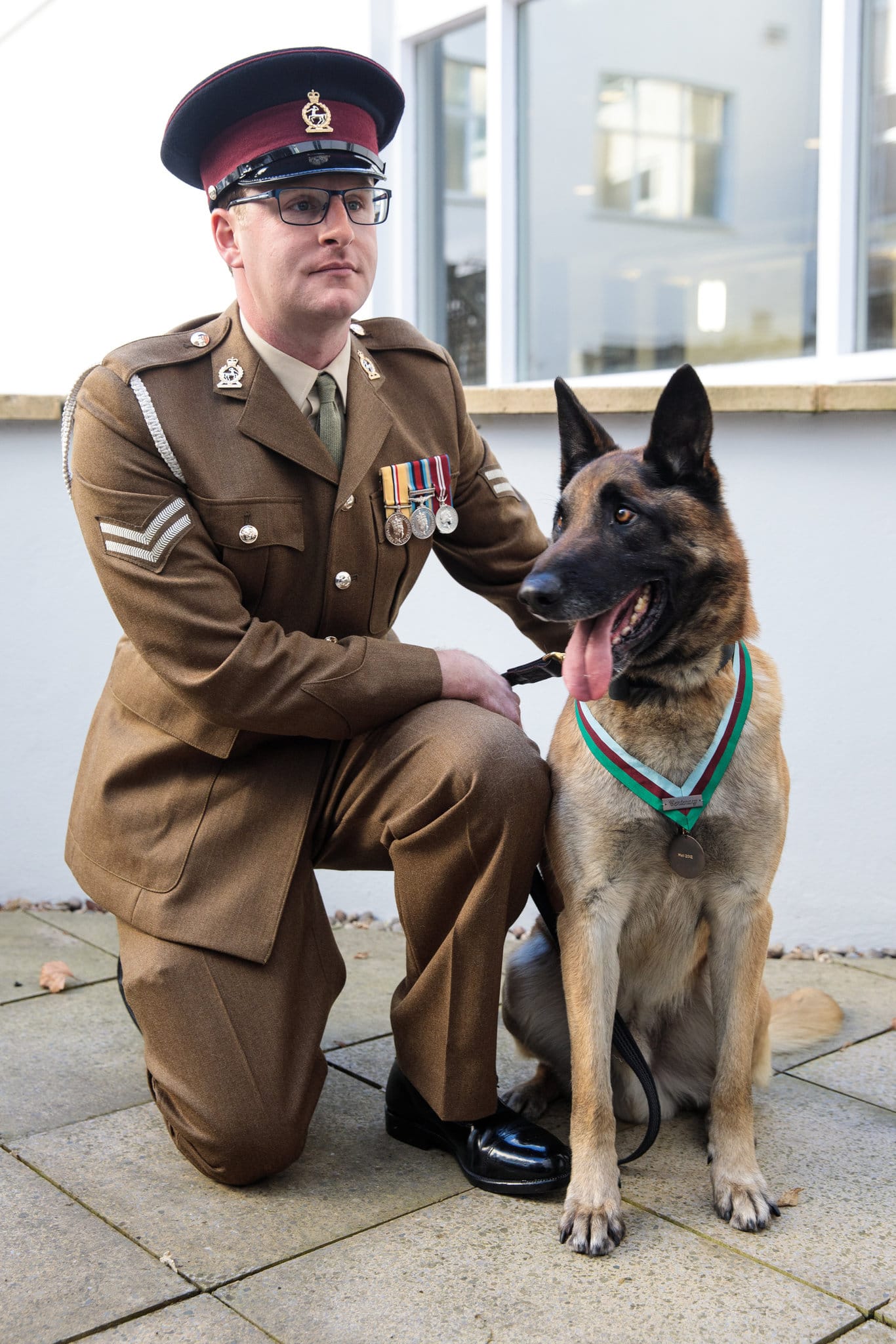
The bond between humans and dogs has always been special, evolving over centuries from loyal companions to invaluable partners in various demanding roles. Among the most critical and impressive of these roles is that of military working dogs (MWDs). These incredible animals, far from being mere pets, are highly trained professionals integral to the success of missions worldwide. Understanding the journey of a military dog in training offers a profound glimpse into their dedication, intelligence, and the rigorous process that transforms them into the four-legged heroes we rely on.
The Genesis of a Military Working Dog
The path to becoming a military dog begins with careful selection. Not every dog is cut out for the demanding life of service. Breeds like German Shepherds, Belgian Malinois, Labrador Retrievers, and Dutch Shepherds are often chosen for their courage, intelligence, drive, and physical capabilities. However, temperament is paramount. Dogs must exhibit a stable disposition, a strong work ethic, and an eagerness to please, alongside a natural curiosity and confidence.
Breeding programs and rescue initiatives often form the initial source of these future service members. Prospective canine candidates undergo extensive evaluations to assess their suitability. This early screening is crucial, as it identifies dogs with the inherent potential to handle the stress, varied environments, and complex tasks they will encounter. It’s about finding dogs that are not only physically capable but also mentally resilient and adaptable.
Puppy Programs: Laying the Foundation
For many military working dogs, their journey starts in specialized puppy programs. These programs are designed to socialize the pups from a very young age, exposing them to a wide range of sights, sounds, and environments. This early socialization is critical for building confidence and preventing fear-based behaviors that could hinder their training.
Puppies in these programs are introduced to various surfaces, loud noises, different types of people, and other animals. They learn basic obedience cues and develop a strong bond with their handlers. This foundational period is about nurturing their natural instincts and channeling their energy in a positive direction. It’s a crucial stage where the groundwork is laid for more advanced training to come, ensuring they grow into well-adjusted and capable dogs.
The Rigorous Training Regimen
Once dogs are deemed ready, they enter the more intensive phase of their military training. This training is multifaceted, designed to prepare them for specific roles such as detection (explosives, narcotics, or other targets), patrol, or specialized support. The process is methodical, progressive, and requires immense patience and expertise from their human counterparts.
Detection Training
For detection dogs, training focuses on scent discrimination. Handlers use controlled environments to introduce the dog to the target odor. Initially, the dog is rewarded with a toy or high-value treat for finding the scent. Through repetition and positive reinforcement, the dog learns to associate the target odor with a reward.
Gradually, the training becomes more complex. Dogs are exposed to the target scent in increasingly challenging scenarios: hidden in various locations, mixed with other distracting odors, and in different environmental conditions. The handler’s role is to read the dog’s subtle cues, indicating the presence of the target scent, and to ensure the dog remains focused and motivated. This meticulous process ensures that MWDs can reliably detect threats in real-world operational settings.
Patrol and Protection Training
Patrol dogs undergo training that focuses on deterrence, apprehension, and handler protection. This involves teaching the dog to respond to commands, control aggressive subjects when necessary, and maintain a strong presence. The training emphasizes controlled aggression, ensuring the dog understands when and how to act, and crucially, when to stop.
Handlers work with experienced trainers to develop their dog’s ability to track suspects, search buildings, and respond to threats. This aspect of training is particularly demanding, requiring both the dog and handler to develop a seamless communication and trust dynamic. The ultimate goal is to create a formidable team capable of maintaining security and apprehending individuals posing a threat.
Specialized Training and Continued Education
Beyond detection and patrol, some MWDs receive specialized training for roles such as mine detection, cadaver search, or even support for wounded soldiers. The training is constantly evolving, adapting to new threats and operational needs.
Even after completing initial training, military dogs and their handlers engage in continuous education and regular refresher courses. This ensures their skills remain sharp and up-to-date. The military invests heavily in maintaining the proficiency of these canine units, recognizing their irreplaceable value.
The Handler-Dog Bond: A Partnership Forged in Trust
Perhaps the most crucial element in the success of military working dogs is the profound bond they share with their handlers. This relationship is built on trust, mutual respect, and countless hours of shared experience. Handlers are not just trainers; they are companions, caretakers, and partners to their dogs.
This bond is essential for effective communication in high-stress situations. A handler must be able to interpret their dog’s behavior accurately, and the dog must trust their handler’s commands implicitly. This synergy allows them to work as a cohesive unit, facing dangers head-on. The emotional connection between handler and dog is a testament to the unique relationship between humans and canines.
Beyond Service: Retirement and Rehoming
After years of dedicated service, military working dogs eventually retire. These dogs, having served their country with distinction, often face a new chapter in their lives. While some may remain with their handlers, many are adopted by loving families through rehoming programs.
The transition to civilian life can require some adjustment, but retired MWDs often make wonderful pets, bringing their intelligence, loyalty, and calm demeanor to their new homes. They have earned a peaceful retirement, filled with the comfort and affection they so richly deserve after their service.
The training of military dogs is a testament to canine potential and human dedication. It’s a rigorous, rewarding, and deeply specialized process that produces animals capable of extraordinary feats. These dogs are more than just tools; they are heroes, partners, and cherished members of the military community. Their stories, often untold, are woven into the fabric of national security and are a powerful reminder of the incredible capabilities of our four-legged allies.
