
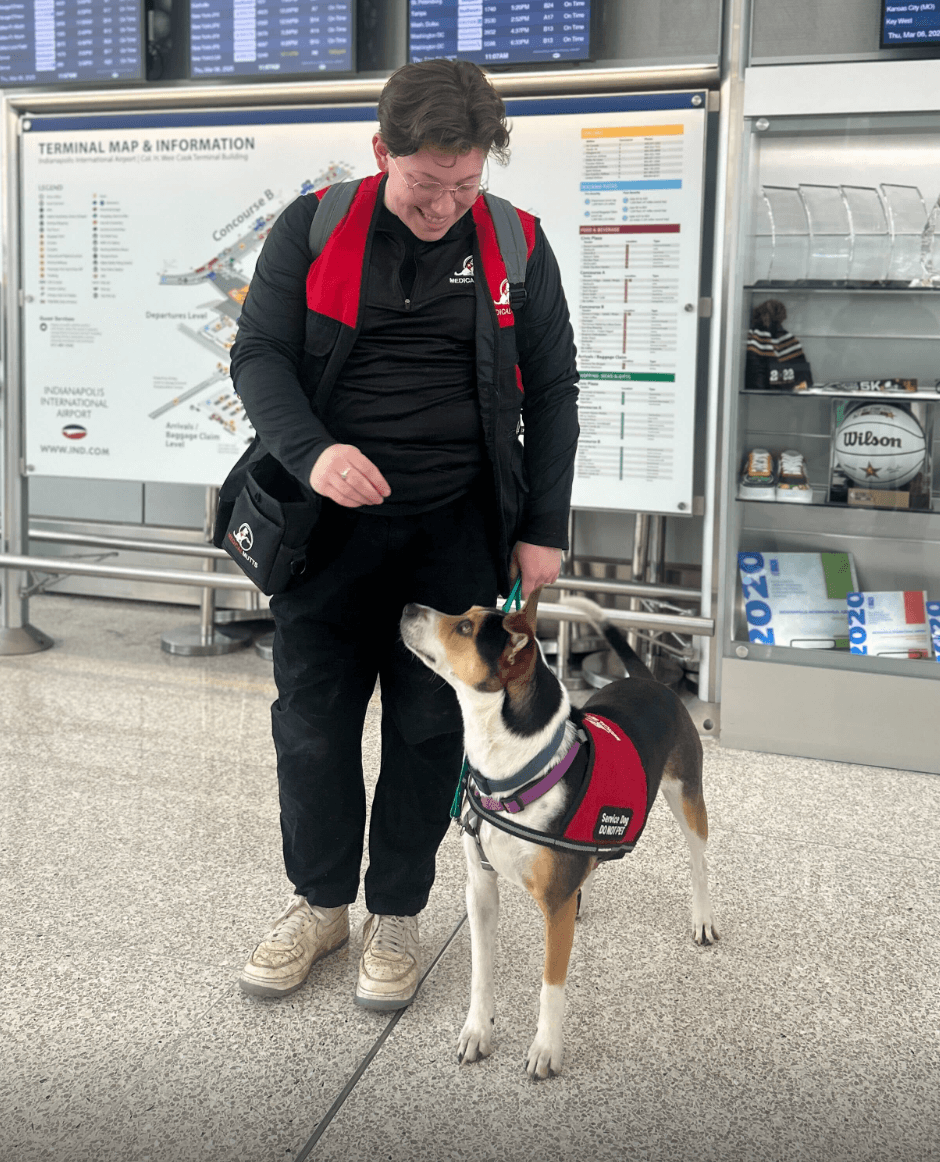
Migraine Service Dog Training is a specialized area focused on equipping dogs with the skills to assist individuals experiencing migraines. These highly trained companions can offer invaluable support, from early detection of an oncoming migraine to providing comfort and aid during an episode. The journey of training a service dog for migraineurs involves a deep understanding of both canine behavior and the specific needs of individuals with this condition. It’s a commitment that promises a significant improvement in the quality of life for those who suffer from debilitating migraines.
Understanding Migraine and the Role of Service Dogs
Migraines are more than just severe headaches; they are complex neurological events that can be accompanied by a range of debilitating symptoms, including visual disturbances (aura), nausea, vomiting, and extreme sensitivity to light and sound. For many, migraines significantly impact their daily lives, affecting their ability to work, socialize, and perform everyday tasks.
This is where a migraine service dog can make a profound difference. These dogs are not merely pets; they are highly trained working animals with specific tasks designed to mitigate the effects of a migraine. Their training is extensive and tailored to the individual’s needs, often encompassing a variety of crucial functions.
How Service Dogs Assist with Migraines
Service dogs can be trained to perform a variety of tasks that directly help individuals manage their migraines:
- Aura Detection: Some dogs can be trained to detect subtle physiological changes that precede a migraine, such as changes in scent or body language, alerting their handler before the migraine fully sets in. This allows the individual time to take medication or prepare for the episode.
- Deep Pressure Therapy (DPT): For individuals experiencing severe pain and disorientation, a dog can be trained to apply firm, gentle pressure by resting its head or body on the handler. This deep pressure can have a calming and pain-relieving effect.
- Retrieving Medication: When a migraine strikes, even simple tasks like getting medication can be challenging. A service dog can be trained to retrieve a specific medication bottle or water.
- Room Darkening: Some dogs can learn to nudge light switches to turn off lights or close curtains, helping to create a dark, quiet environment that is crucial for migraine relief.
- Emotional Support: The mere presence of a trained service dog can provide immense emotional comfort and reduce anxiety associated with anticipating or experiencing a migraine.
- Interruption of Behaviors: In some cases, individuals might develop repetitive or harmful behaviors during a migraine. A service dog can be trained to interrupt these behaviors.
- Emergency Alert: For individuals with severe or unpredictable migraines, a dog can be trained to alert others in the household or call for help in emergencies.
The Training Process: A Step-by-Step Approach
Migraine service dog training is a meticulous and lengthy process that requires patience, consistency, and expertise. It’s crucial to understand that not all dogs are suited for service work, and specialized training programs are often necessary.
1. Selecting the Right Dog
The foundation of successful service dog training lies in selecting a dog with the right temperament and aptitude. Ideal candidates are typically:
- Calm and Even-Tempered: They should not be easily startled, aggressive, or overly reactive to their environment.
- Sociable and Confident: They need to be comfortable in various environments and around different people and animals.
- Intelligent and Eager to Please: A strong desire to work with their handler and learn new commands is essential.
- Physically Sound: They must be healthy and possess the physical stamina for the demands of service work.
Breeds commonly used for service dog work include Labrador Retrievers, Golden Retrievers, Poodles, and German Shepherds, though many breeds can excel with the right training and individual aptitude.
2. Foundational Obedience and Socialization
Before specialized tasks are introduced, the dog must master basic obedience commands and be thoroughly socialized. This involves:
- Basic Commands: Sit, stay, come, down, leave it, heel.
- Public Access Skills: The dog must be able to behave appropriately in public places, remaining calm and unobtrusive regardless of distractions. This is a critical component for any service dog.
- Environmental Exposure: Exposing the dog to a wide variety of sights, sounds, and experiences in a positive manner helps build confidence and prevent fear-based reactions.
3. Task-Specific Training for Migraine Assistance
This is the core of migraine service dog training, where the dog learns the specific tasks needed to help their handler. This phase is highly individualized, as each person’s migraines and needs differ.
- Scent Training for Aura Detection: This is one of the most advanced tasks. Dogs have an incredible sense of smell, and research suggests they can detect subtle changes in human body odor that may precede a migraine. Training involves associating a specific scent (often collected from the handler during a pre-migraine phase) with a reward, teaching the dog to alert the handler when that scent is detected.
- Deep Pressure Therapy (DPT) Training: This is taught by gradually encouraging the dog to lean or rest on the handler. The dog learns to offer this pressure on cue or when they sense distress.
- Retrieval Training: This involves teaching the dog to pick up specific objects (like a medication pouch) and bring them to the handler. This is built upon standard retrieve commands, but with highly specific object recognition.
- Task Interruption Training: If a dog needs to interrupt a specific behavior, this is trained using positive reinforcement, often by teaching the dog to nudge or paw their handler when a certain cue is observed or given.
- Alerting and Signaling: Dogs can be trained to signal in various ways, such as pawing, nudging, or barking softly, to alert their handler to an oncoming migraine or a need for assistance.
4. Generalization and Proofing
Once a dog learns a task in a controlled environment, it’s crucial to generalize that training to real-world situations. This involves practicing tasks in different locations, with various distractions, and under different conditions to ensure the dog can perform reliably anywhere. This is often referred to as “proofing” the behaviors.
The Handler’s Role in Training and Partnership
The relationship between a migraine service dog and its handler is a true partnership, and the handler plays an active role throughout the training process.
Consistency is Key
Handlers must be committed to consistent training and reinforcement. This means practicing commands and tasks regularly, even when the dog is fully trained, to maintain their skills.
Understanding Your Dog’s Signals
Learning to read your dog’s body language and cues is vital. Your dog might be signaling an oncoming migraine or that they need a break. Responding appropriately strengthens the bond and ensures the dog’s well-being.
Continued Professional Guidance
While some handlers train their own dogs, many work with professional service dog trainers. These trainers provide expertise, guidance, and help navigate the complexities of specialized task training. Programs like migraine alert dog training offer resources and structured approaches.
Living with a Migraine Service Dog
Having a trained service dog can dramatically improve independence and reduce the impact of migraines. However, it also involves responsibilities.
Legal Rights and Considerations
In many countries, including the United States under the Americans with Disabilities Act (ADA), service dogs are granted access to public places with their handlers. It’s important for handlers to understand their rights and responsibilities regarding their service dog. Remember, service dogs are working animals, and their behavior in public is a reflection of their training and the handler’s management.
Ongoing Care and Well-being
A service dog is a living being with needs. This includes proper nutrition, regular veterinary care, grooming, exercise, and mental stimulation. Ensuring the dog’s well-being is paramount to their ability to perform their job effectively and happily.
The Human-Animal Bond
Beyond the practical tasks, the emotional support and companionship provided by a migraine service dog are invaluable. This deep bond enhances the handler’s overall well-being, reducing stress and providing a sense of security. The dedication involved in training transforms a dog into an indispensable partner in managing a chronic condition.
Frequently Asked Questions About Migraine Service Dogs
Q1: Can any dog become a migraine service dog?
A1: While many dogs can be trained for basic obedience and companionship, not all dogs have the temperament or aptitude for the demanding work of a service dog. Specific breeds are often favored, but individual temperament, drive, and trainability are the most critical factors.
Q2: How long does it take to train a migraine service dog?
A2: The training process can vary significantly, typically taking anywhere from 1 to 2 years, sometimes longer, depending on the dog’s age, aptitude, and the complexity of the tasks being trained.
Q3: How do service dogs detect migraines?
A3: Some dogs can be trained to detect subtle scent changes that may occur before a migraine. This is a highly specialized skill that requires extensive scent training. Other dogs may learn to recognize specific physiological cues or changes in their handler’s behavior.
Q4: What is the difference between a service dog and a therapy dog for migraines?
A4: Service dogs are trained to perform specific tasks to assist an individual with a disability (like migraines) and have public access rights. Therapy dogs provide comfort and emotional support through visitation in settings like hospitals or nursing homes but do not have the same public access rights as service dogs.
Q5: Can I train my own migraine service dog?
A5: Yes, it is possible to train your own service dog, but it requires a significant commitment of time, effort, and a deep understanding of dog behavior and training methods. Many handlers opt to work with or hire professional service dog trainers for specialized task training.
Conclusion: A Partnership for a Better Quality of Life
The training of a migraine service dog is a testament to the incredible capabilities of dogs and the profound impact they can have on human lives. By providing early detection, practical assistance, and unwavering emotional support, these canine partners empower individuals to manage their migraines more effectively and live fuller, more independent lives. The journey of training is a collaborative effort, forging a unique bond that offers not just assistance, but also companionship and a deeper connection to the world. For those seeking a tangible way to regain control over their migraines, a well-trained service dog might just be the most loyal and effective ally they could ask for.
