
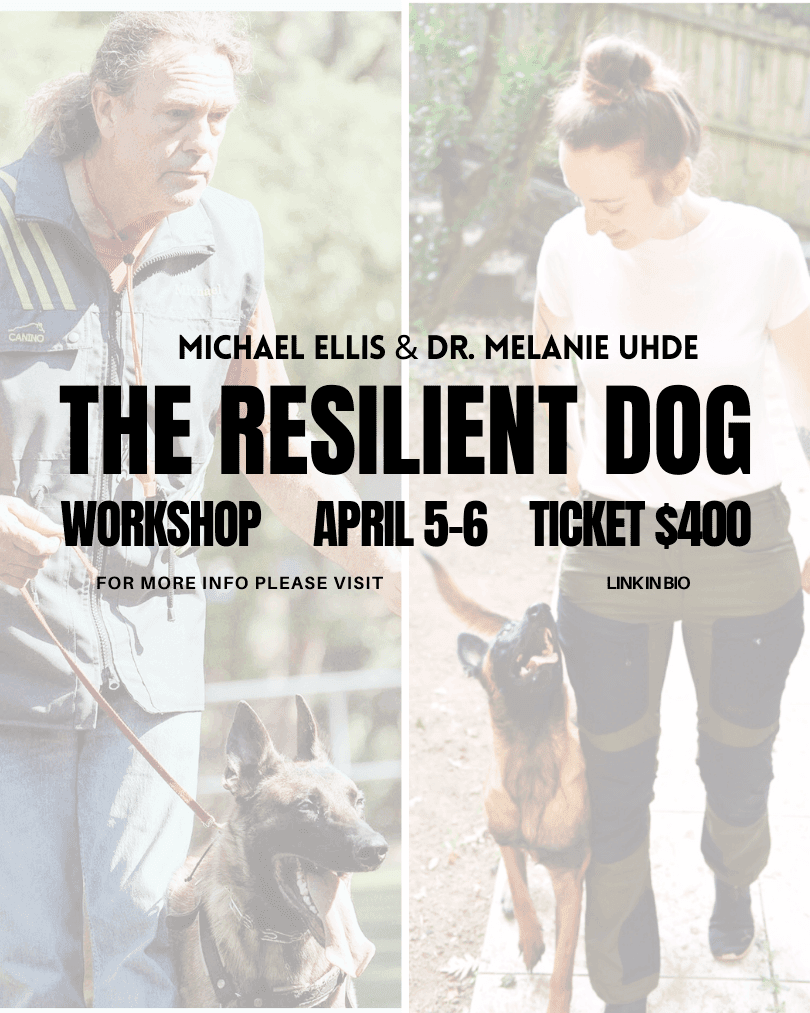
Michael Ellis stands as a prominent figure in the world of dog training, renowned for his innovative and effective methods that prioritize a deep understanding of canine behavior and psychology. His approach, often described as “balanced,” integrates positive reinforcement with a clear understanding of natural canine drives, fostering a harmonious relationship between dogs and their owners. Ellis’s influence extends far beyond his direct training, shaping the philosophy of countless trainers through his educational programs and workshops.
The Genesis of a Renowned Trainer
Michael Ellis’s journey into professional dog training wasn’t a straight path but rather an evolution driven by a profound passion for dogs and a relentless pursuit of knowledge. Early in his career, like many, he experimented with various training techniques. However, he soon recognized the limitations of purely punitive or purely positive methods. This realization sparked a deeper inquiry into canine behavior, leading him to study under some of the most respected names in the field. His time spent learning from individuals like William R. “Buck” Brannaman, a renowned horseman and the inspiration for “The Horse Whisperer,” significantly influenced his understanding of how to build trust and clear communication with animals.
Ellis’s dedication to continuous learning and his ability to synthesize information from diverse sources allowed him to develop a unique training philosophy. He emphasizes the importance of understanding the dog’s perspective, recognizing that their actions are often driven by instinct, environment, and their relationship with their handler. This holistic view, combined with his practical, hands-on experience, has cemented his reputation as a master trainer.
Core Principles of the Michael Ellis Dog Training Method
At the heart of Michael Ellis’s training philosophy are several key principles that guide his work and that of his students:
- Understanding Canine Drives: Ellis stresses the importance of recognizing and working with a dog’s natural drives, such as prey drive, pack drive, and play drive. Instead of suppressing these instincts, he advocates for channeling them constructively through training and appropriate outlets.
- Balanced Approach: His method is often characterized as “balanced,” meaning it incorporates both positive reinforcement (rewards for desired behaviors) and a clear, consistent system of correction or guidance when necessary. This doesn’t imply harsh punishment, but rather a fair and understandable way to communicate boundaries to the dog. The goal is to create a clear communication system where the dog understands what is expected.
- Building Relationship and Trust: For Ellis, training is not just about obedience; it’s about building a strong, trusting relationship between dog and owner. He believes that a dog that trusts and respects its owner is more likely to listen and cooperate. This is achieved through consistent leadership, clear communication, and understanding the dog’s emotional state.
- Environmental Management: Recognizing that a dog’s environment plays a crucial role in its behavior, Ellis emphasizes the importance of proper management. This includes setting the dog up for success by controlling its environment to prevent unwanted behaviors and providing appropriate opportunities for training and exercise.
- Clear Communication: Ellis is a strong advocate for clear, consistent communication. He believes that many behavioral issues stem from a lack of understanding between human and dog. His training techniques aim to provide dogs with a clear language they can understand, using a combination of verbal cues, body language, and in some cases, specialized tools used with precision and care.
Michael Ellis School of Dog Training (MES)
The Michael Ellis School of Dog Training (MES) is a cornerstone of his educational outreach. Located in Glen Rose, Texas, MES offers a comprehensive curriculum designed to train not only dogs but also their owners and aspiring professional trainers. The school’s flagship program is the 10-week professional dog trainer course, which is highly regarded in the industry.
This intensive program immerses students in Ellis’s training methodology, covering everything from basic obedience and behavioral modification to advanced techniques. Students learn by doing, working directly with a variety of dogs under the guidance of Ellis and his experienced team. The curriculum emphasizes hands-on experience, theoretical understanding, and the development of a deep connection with the dogs they train.
Beyond the professional course, MES also offers various workshops and seminars catering to a broader audience, including pet owners seeking to improve their relationship with their dogs and intermediate trainers looking to refine their skills. The school has produced a significant number of successful dog trainers who have gone on to establish their own reputable training businesses, spreading Ellis’s philosophy across the globe.
Impact and Legacy
Michael Ellis’s impact on the dog training world is profound and far-reaching. He has consistently advocated for a more humane and effective approach to training, moving away from outdated and often cruel methods. His emphasis on understanding the dog’s mind and building a partnership has empowered countless owners to develop stronger bonds with their canine companions.
Through the Michael Ellis School of Dog Training, he has established a legacy of excellence, educating a new generation of skilled and ethical trainers. Many of his former students are now leaders in their own right, contributing to the ongoing evolution of positive and effective dog training practices.
Ellis’s contributions are not limited to practical training; his work encourages a deeper appreciation for the intelligence and emotional lives of dogs. He has helped to shift the public perception of dog training from a disciplinary necessity to a rewarding journey of mutual understanding and respect. His dedication to the welfare of dogs and his commitment to sharing his knowledge continue to inspire and influence the canine community worldwide.
Frequently Asked Questions about Michael Ellis Dog Training
Q1: What is the core philosophy behind Michael Ellis’s dog training methods?
A1: Michael Ellis’s core philosophy is a balanced approach that combines positive reinforcement with a clear understanding of canine drives and behavior. The focus is on building a strong relationship based on trust, clear communication, and mutual respect between dog and owner.
Q2: Is Michael Ellis’s training method suitable for all breeds of dogs?
A2: Yes, Ellis’s methods are designed to be adaptable to all breeds and temperaments of dogs. The principles of understanding drives, clear communication, and building a relationship are universally applicable to canines.
Q3: What kind of training issues can Michael Ellis’s methods address?
A3: His methods are effective for a wide range of issues, from basic obedience, house training, and leash manners to more complex behavioral problems like aggression, anxiety, and reactivity. The emphasis is on addressing the root cause of the behavior.
Q4: What makes the Michael Ellis School of Dog Training (MES) unique?
A4: MES is unique due to its intensive, hands-on curriculum led by Michael Ellis himself and his experienced team. It focuses on developing not just obedience skills but a deep understanding of canine behavior and relationship building, preparing trainers for real-world challenges.
Q5: How does Michael Ellis incorporate tools into his training?
A5: When tools are used, they are employed with precision, timing, and a clear understanding of their purpose within the balanced training framework. The goal is always to communicate effectively and fairly with the dog, rather than to inflict pain or fear.
Q6: What is the difference between Michael Ellis’s “balanced” approach and other training methods?
A6: While “balanced” training can be interpreted differently, Ellis’s approach emphasizes using positive reinforcement as the primary tool for teaching, while incorporating fair and consistent guidance or corrections when necessary to manage behavior and ensure clear communication, all within the context of a strong, trusting relationship. It avoids purely punitive methods and focuses on understanding the dog’s motivations.
