
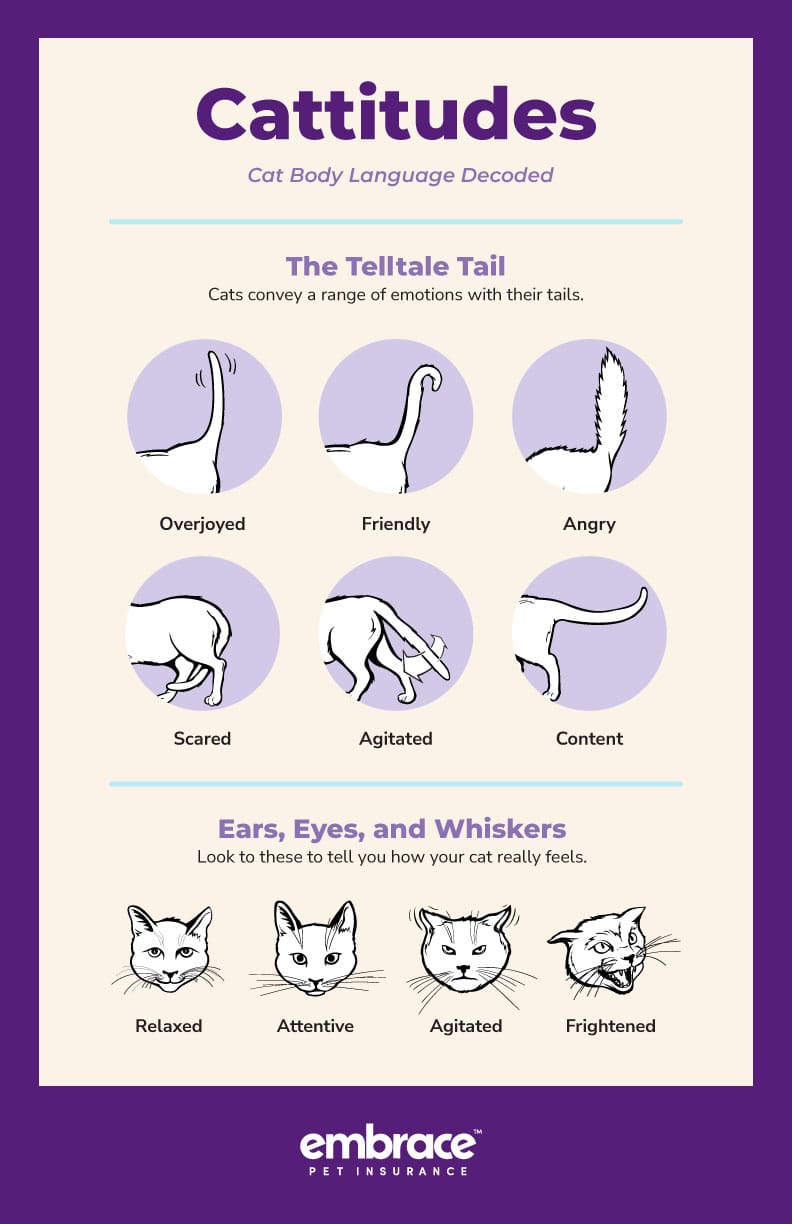
Cats use their meows as a primary way to communicate with humans, a unique vocalization they don’t typically use with other cats once they’re adults. While kittens meow to signal needs like hunger or cold to their mother, adult cats continue to meow at people, likely because it’s an effective way to get our attention and our help. This fascinating form of communication can range from a simple greeting to a more prolonged yowl, especially during mating season. However, understanding when these vocalizations become excessive is key to addressing potential issues.
Why Do Cats Meow? Common Reasons Explained
Cats meow for a variety of reasons, and recognizing these will help you better understand your feline companion’s needs.
Greetings and Attention Seeking
Your cat may meow to greet you when you arrive home, when you encounter each other inside the house, or even when you speak to her. Cats are social creatures and often meow to solicit attention, whether they desire petting, playtime, or simply a conversation. Cats left alone for extended periods may vocalize more frequently in an attempt to gain attention.
Food and Basic Needs
The desire for food is a significant motivator for meowing. Many cats learn to meow whenever someone enters the kitchen, hoping for a handout, or to wake you up for breakfast. Begging for human food through meowing is also a learned behavior. Furthermore, meowing is a cat’s primary method for expressing a desire to go outside or to be let back in. Transitioning a cat to an indoor-only lifestyle can lead to a period of persistent meowing at doors and windows, which can take weeks or months to subside.
Health and Age-Related Issues
Elderly cats experiencing cognitive dysfunction, a feline form of Alzheimer’s, may meow due to disorientation. If your cat’s meowing is excessive or has suddenly increased, it’s crucial to consult a veterinarian to rule out any underlying medical conditions. Various illnesses can cause increased hunger, thirst, restlessness, or irritability, all of which can prompt meowing. Conditions like overactive thyroid and kidney disease, common in aging cats, can also lead to excessive vocalization.
Mating Behavior
Intact (unspayed or unneutered) cats are more prone to yowling. Females yowl to signal their readiness to mate, while males yowl to seek access to females.
Strategies to Reduce Excessive Meowing
To effectively curb your cat’s vocalizations, it’s essential to first identify the root cause. Observing the circumstances surrounding the meowing and noting what stops it can provide valuable clues. Keeping a log can help identify patterns.
Managing Attention-Seeking Meows
If your cat meows for attention, teach her that quiet behavior is what earns your affection. Avoid shouting or giving any form of attention, even negative, when she meows. Instead, be patient and wait for a moment of silence before offering praise and interaction. If she resumes meowing, disengage and only return when she is quiet. Consistency is key for your cat to understand this communication strategy.
Addressing Food-Related Meows
Do not feed your cat when she meows for food outside of regular mealtimes. Establish a feeding schedule so she learns that meowing at other times is ineffective. An automatic feeder can be a useful tool, especially if your cat wakes you early. She may begin to direct her vocalizations towards the feeder instead of you. For cats on a diet, consult your veterinarian about high-fiber options that promote satiety. Leaving dry food available at all times can also prevent hunger, especially if it’s a high-fiber formula.
Outdoor Access and Meowing
If your cat meows to be let in or out, consider installing a cat door to grant her independence. However, the ASPCA recommends keeping cats indoors for their safety and to protect them from diseases. If you’re transitioning an outdoor-access cat to an indoor-only life, expect a period of persistent meowing at doors and windows. Patience is required, as she will eventually adjust. Creating a safe outdoor enclosure is another option for providing outdoor stimulation.
Spaying and Neutering for Vocalization Control
For unspayed female cats experiencing heat cycles, spaying is the most effective solution to reduce excessive meowing associated with mating calls. Similarly, unneutered males who vocalize intensely due to the presence of a female in heat will benefit from neutering.
Addressing Elderly Cat Meows
For older cats exhibiting new or increased meowing, a veterinary evaluation is essential to diagnose and manage potential medical conditions, sensory deficits, or cognitive dysfunction.
What NOT to Do When Your Cat Meows
It’s important to approach your cat’s meowing with understanding and avoid counterproductive actions.
Don’t Ignore Your Cat
Unless you are certain your cat is meowing solely to get something she wants, it’s generally best to check on her. She may have an unmet need, such as an inaccessible litter box or empty water bowl, or could be trapped. Ensure all her basic needs are met before assuming her vocalizations are just demanding.
Avoid Punishment
Scolding or hitting your cat for meowing is ineffective in the long term and can lead to fear and a damaged relationship. These actions may cause temporary submission but won’t address the underlying reasons for the vocalization.
