
For many dog lovers, the dream of welcoming a furry friend into their home is often tempered by the reality of pet allergies. While no dog is truly 100% “hypoallergenic” or completely allergen-free, certain breeds produce significantly less dander and shed minimally, making them far more compatible for individuals with sensitivities. Among these, the medium sized dog breeds don’t shed stand out as an ideal choice, offering a perfect balance of manageable size and reduced allergen impact. They provide companionship and joy without the constant flurry of loose hair, making them a popular option for families, apartment dwellers, and anyone seeking a cleaner, more allergy-friendly home.
Understanding what contributes to a dog’s “low-shedding” status is key to finding the right canine companion. It’s not just about the hair itself, but the microscopic flakes of skin (dander), saliva, and urine that contain proteins triggering allergic reactions. Breeds with specific coat types—often curly, wiry, or single-coated—tend to trap dander and shed less, thereby distributing fewer allergens into the environment. This guide will explore some of the best medium-sized dog breeds that don’t shed much, detailing their unique characteristics, grooming needs, and why they might be the perfect fit for your lifestyle. We’ll also provide essential tips for living harmoniously with a low-shedding dog, ensuring a happy and healthy life for both you and your beloved pet. For those interested in a wider selection, including smaller options, you can explore other resources like small to medium sized dog breeds that don t shed.
Understanding “Low-Shedding” and “Hypoallergenic” Dogs
The terms “hypoallergenic” and “low-shedding” are often used interchangeably, but it’s important to clarify their nuances. A truly “hypoallergenic” dog, implying an absence of allergens, does not exist. All dogs produce allergens from their skin (dander), saliva, and urine. However, “low-shedding” breeds are those with coats that minimize the release of dander and loose hair into the environment. This reduced shedding significantly decreases the amount of allergens circulating in the home, making them a much better choice for individuals with mild to moderate dog allergies.
The key lies in the coat type. Dogs with double coats or those that “blow” their coat seasonally typically shed heavily, releasing a large volume of dander along with their hair. In contrast, low-shedding breeds often have:
- Single Coats: Unlike double-coated breeds with a dense undercoat, single-coated dogs generally have less hair to shed.
- Curly or Wiry Coats: These coat types tend to trap loose hair and dander within their curls or texture, preventing them from falling out easily. Instead, trapped hair needs to be brushed out regularly.
- Hair-like Coats: Some breeds have hair that grows continuously, similar to human hair, rather than shedding in cycles. This type of coat requires regular trimming but sheds very little.
For many people, finding a medium sized dog breed that doesn t shed is the sweet spot, balancing a sturdy build with a coat that simplifies household cleanliness and reduces allergic triggers.
Benefits of Medium-Sized, Low-Shedding Dogs
Choosing a medium-sized dog breed that doesn’t shed offers a multitude of advantages, especially for those navigating allergies or simply desiring a cleaner living space.
- Reduced Allergy Symptoms: This is the primary benefit. With less dander and loose hair floating around, allergy sufferers can experience significantly fewer symptoms like sneezing, itching, and watery eyes, allowing them to enjoy the companionship of a dog without constant discomfort.
- Cleaner Homes: Less shedding means less dog hair on furniture, carpets, clothes, and floors. This translates to less frequent cleaning and vacuuming, making household chores more manageable and maintaining a tidier environment.
- Manageable Size: Medium-sized dogs often strike a perfect balance. They are typically sturdy enough for active lifestyles and can keep up with hiking or jogging, yet they are not so large as to be overwhelming in smaller living spaces like apartments or modest homes. They are often good with children and other pets, offering a robust presence without the challenges associated with very large breeds.
- Variety in Temperament and Appearance: The range of medium sized dog breeds that don’t shed a lot is surprisingly diverse. From energetic terriers to calm companions and intelligent water dogs, there’s a low-shedding medium breed to suit almost any personality and preference.
- Easier Grooming (with a catch): While they don’t shed much, these coats often require regular professional grooming or dedicated at-home maintenance to prevent matting and keep them healthy. This is a trade-off: less shedding but more structured grooming. However, for many, this is preferable to constant vacuuming.
Ultimately, a medium-sized, low-shedding dog allows individuals and families to experience the profound joys of dog ownership without compromising health or cleanliness, fostering a deeper bond and a more harmonious home environment.
Featured Medium-Sized Dog Breeds That Don’t Shed
Here’s a curated list of medium-sized dog breeds known for their minimal shedding, making them excellent choices for those seeking a low-allergen companion.
1. Standard Poodle
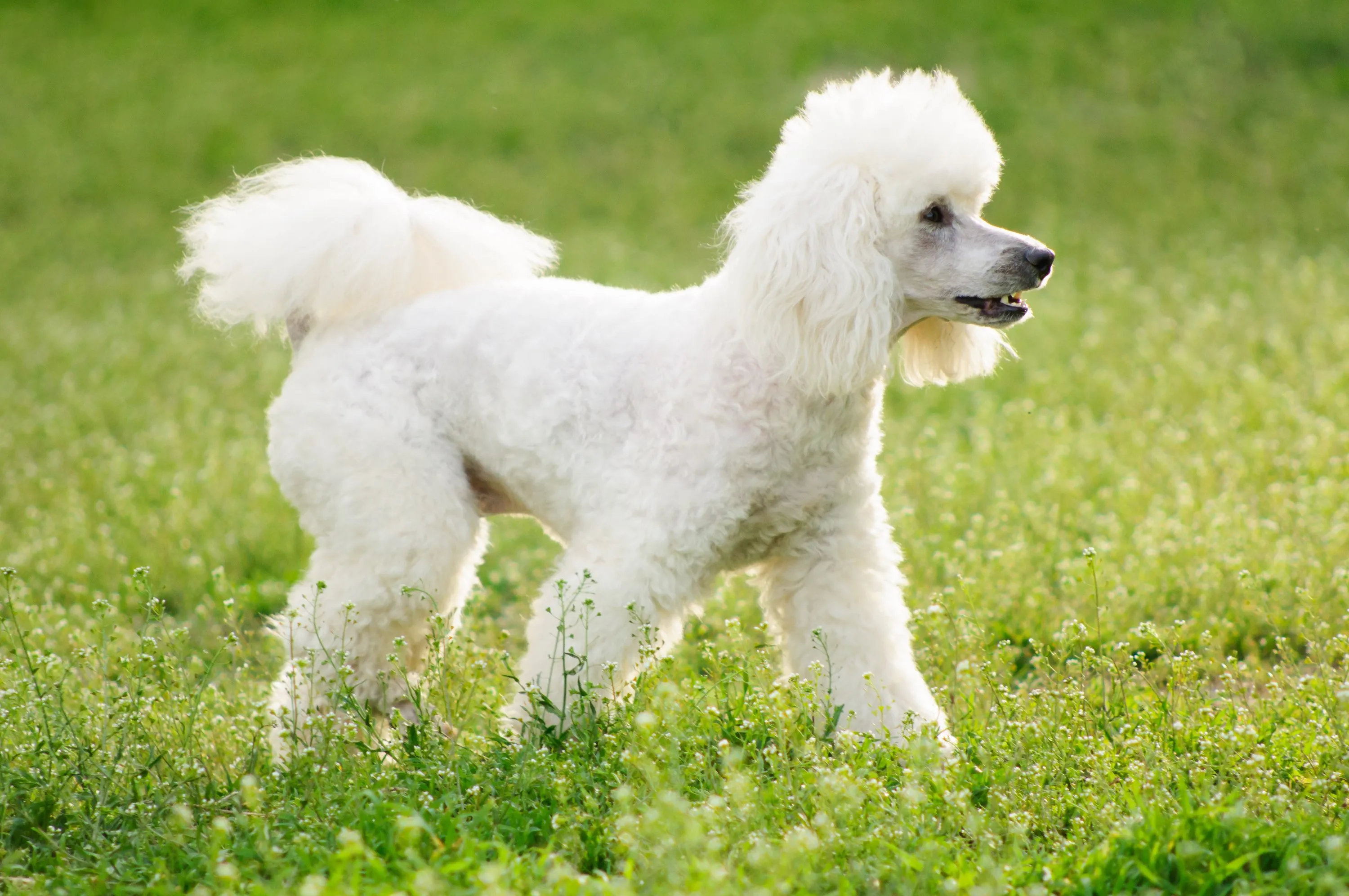 White Standard Poodle standing gracefully in a lush green field.
Often misunderstood for their fancy show cuts, the Standard Poodle is an incredibly intelligent, elegant, and athletic breed. They typically stand over 15 inches tall and weigh between 40-70 pounds, placing them firmly in the medium to large range. Their signature curly, dense coat is the key to their low-shedding nature. Instead of falling out, loose hairs get caught in the curls, requiring regular brushing (2-3 times a week) and professional grooming every 4-6 weeks to prevent matting. Poodles are highly trainable and enjoy activities that challenge both their minds and bodies, making them excellent companions for active families. Their dignified demeanor combined with a playful spirit makes them one of the most popular dog breeds that don t shed that much.
2. Standard Schnauzer
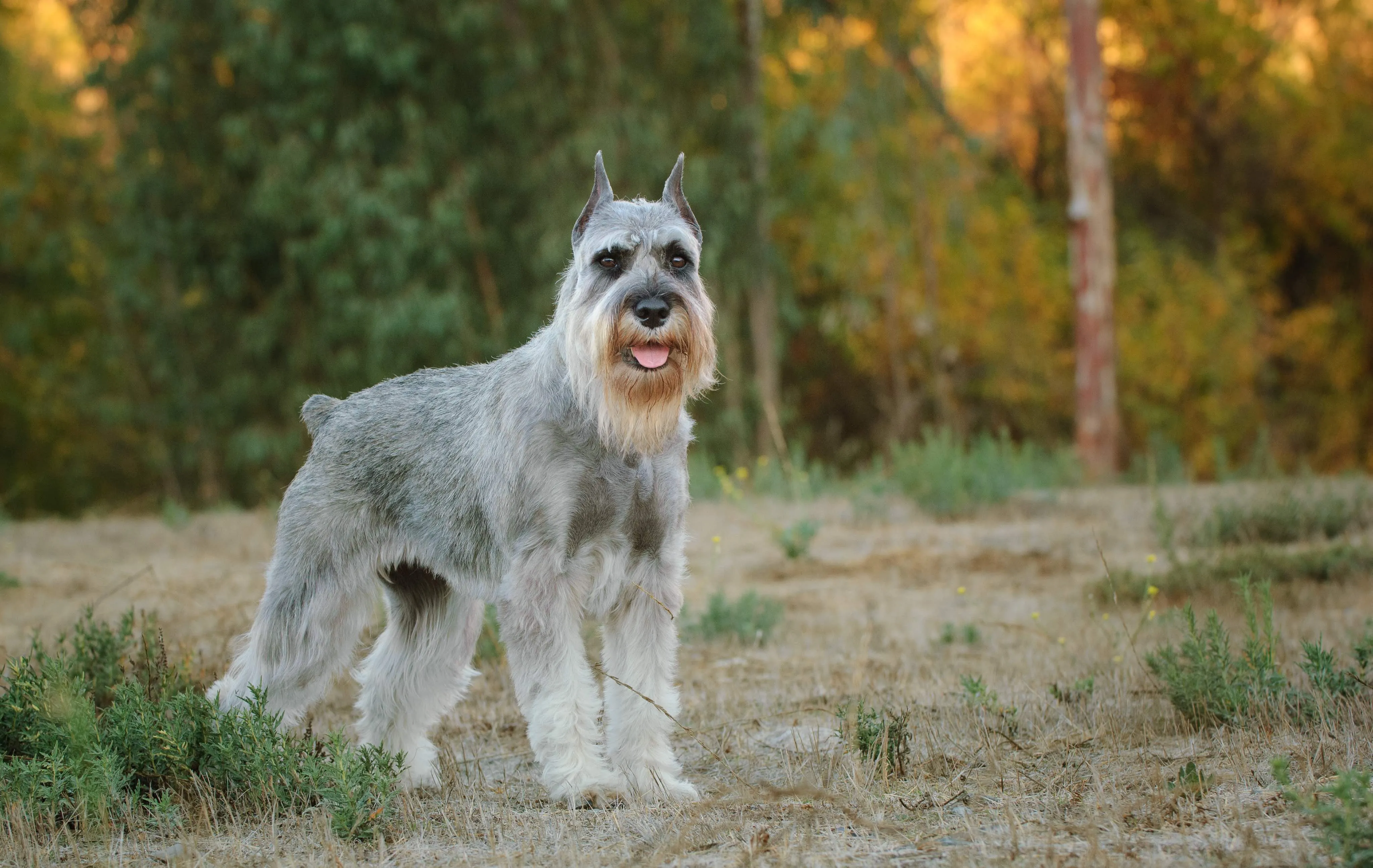 Alert gray Standard Schnauzer standing attentively in a grassy field.
The Standard Schnauzer is a robust and intelligent breed, truly fitting the medium-sized category, typically weighing 30-50 pounds and standing 17.5-19.5 inches tall. Their distinctive wiry, dense double coat sheds minimally, as loose hairs are caught within the harsh outer layer. This makes them a great option for allergy sufferers. Standard Schnauzers are known for their strong protective instincts, loyalty, and lively personalities. They require consistent training and plenty of physical and mental stimulation, including long walks, games of fetch, and puzzle toys. Regular brushing (2-3 times a week) and professional hand-stripping or clipping every few months are essential to maintain their coat and minimize any shedding.
3. Portuguese Water Dog
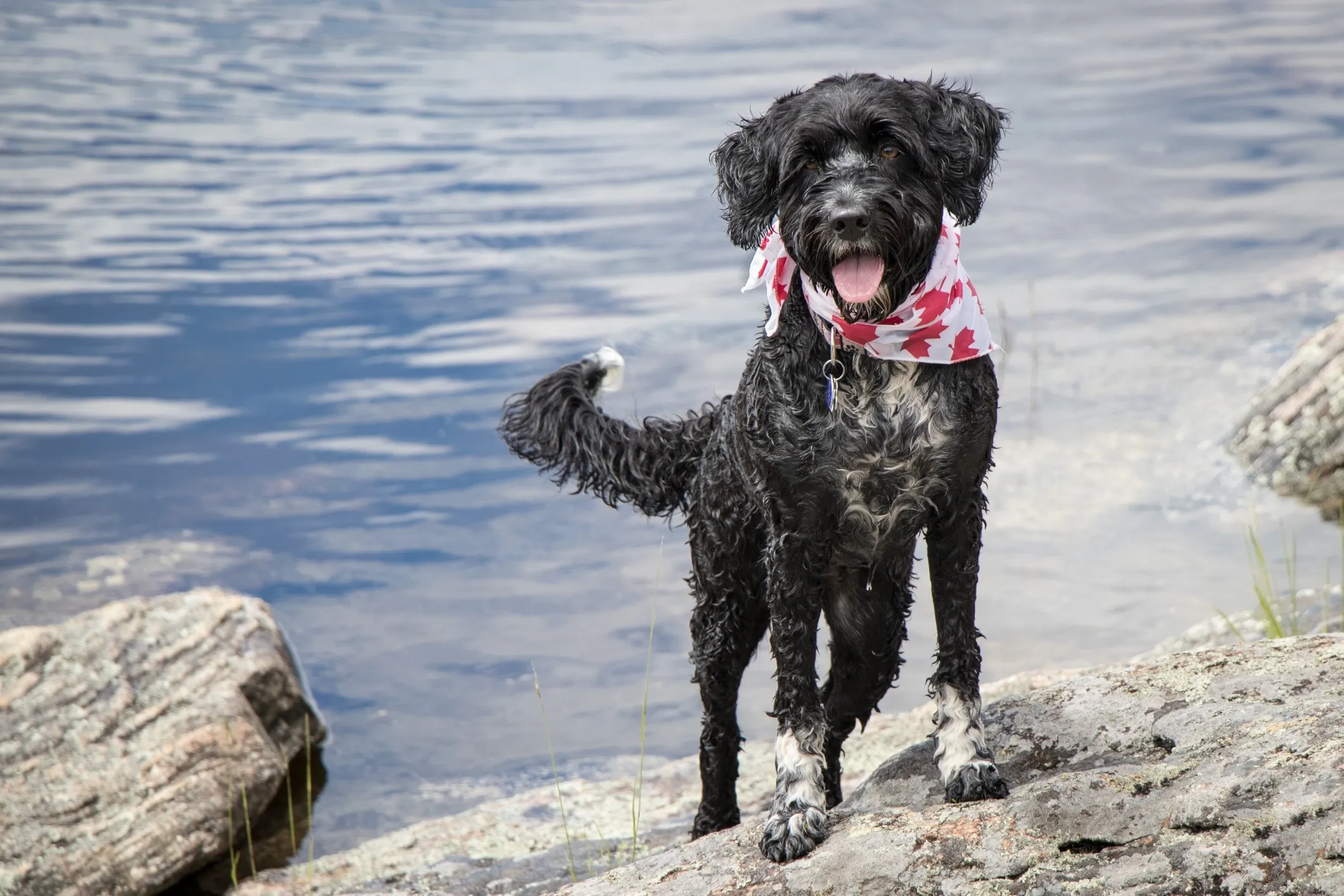 Black and white Portuguese Water Dog wearing a red bandana, looking towards the camera with a lake in the background.
Originally bred to assist fishermen, the Portuguese Water Dog is a highly energetic, intelligent, and sturdy medium-sized breed, typically weighing 35-60 pounds and standing 17-23 inches tall. Their single coat can be either curly or wavy, and both types are low-shedding. The coat traps loose hair and dander, making them an excellent choice for allergy-sensitive households. These dogs thrive on activity and love to swim, hike, and engage in dog sports. Their intelligence makes them highly trainable, but they require consistent exercise and mental engagement to prevent boredom. Regular grooming, including daily brushing and professional clipping every 6-8 weeks, is crucial to prevent matting.
4. Lagotto Romagnolo
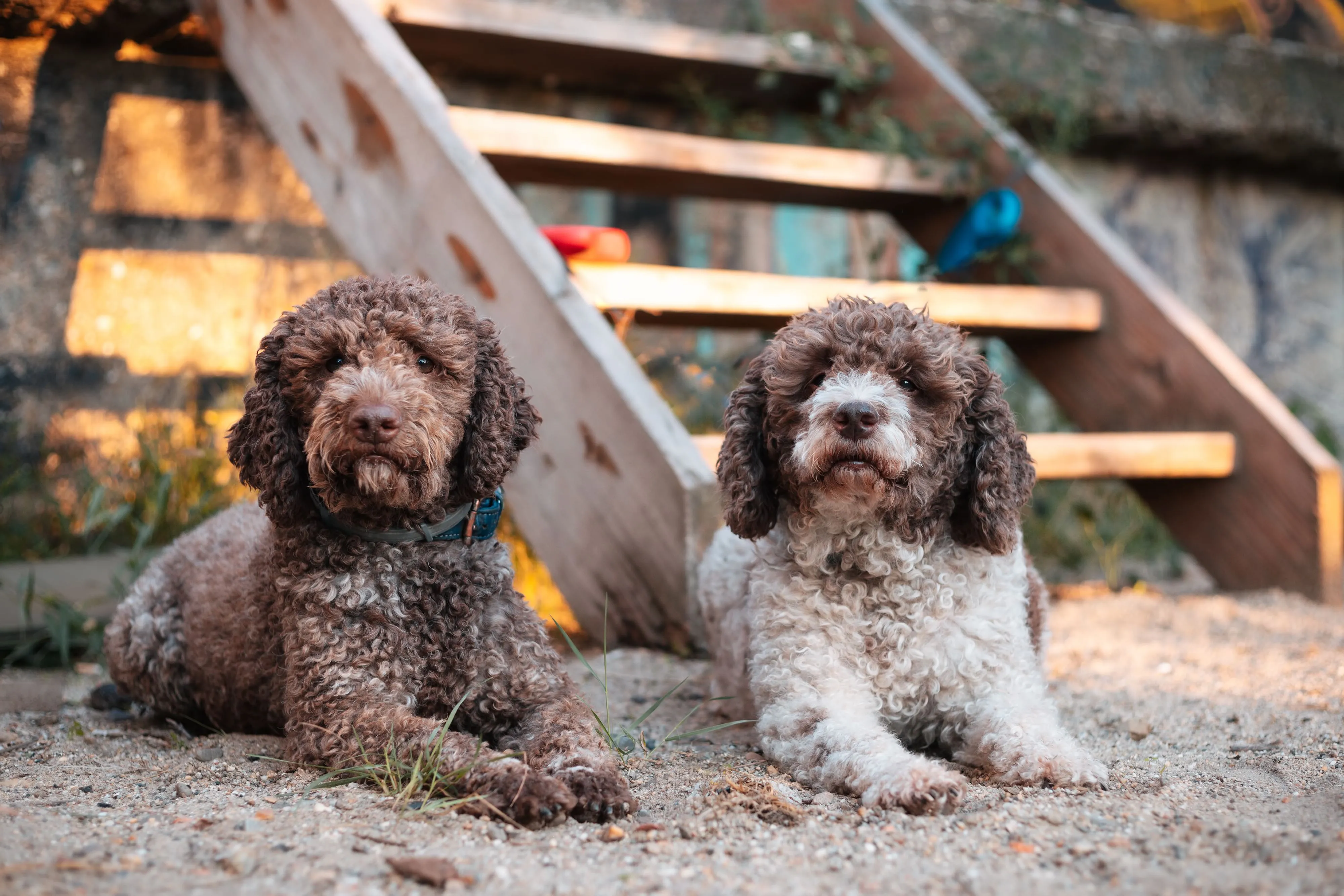 Two brown Lagotto Romagnolo dogs with curly coats, lying on the ground and looking at the camera.
The Lagotto Romagnolo is an ancient Italian breed, originally water retrievers and now renowned for their truffle-hunting abilities. They are perfectly sized as a medium breed, generally weighing 24-35 pounds and standing 16-19 inches tall. Their dense, curly, woolly coat is almost waterproof and sheds very little, trapping loose hair effectively. This makes them a strong contender for those seeking medium sized dog breeds don’t shed. Lagotti are affectionate, intelligent, and eager to please, making them wonderful family pets. They are good with children and other animals when properly socialized. Their high intelligence means they need mental stimulation and moderate exercise. The coat requires regular brushing (several times a week) and clipping every 2-3 months to prevent matting and maintain hygiene.
5. Irish Water Spaniel
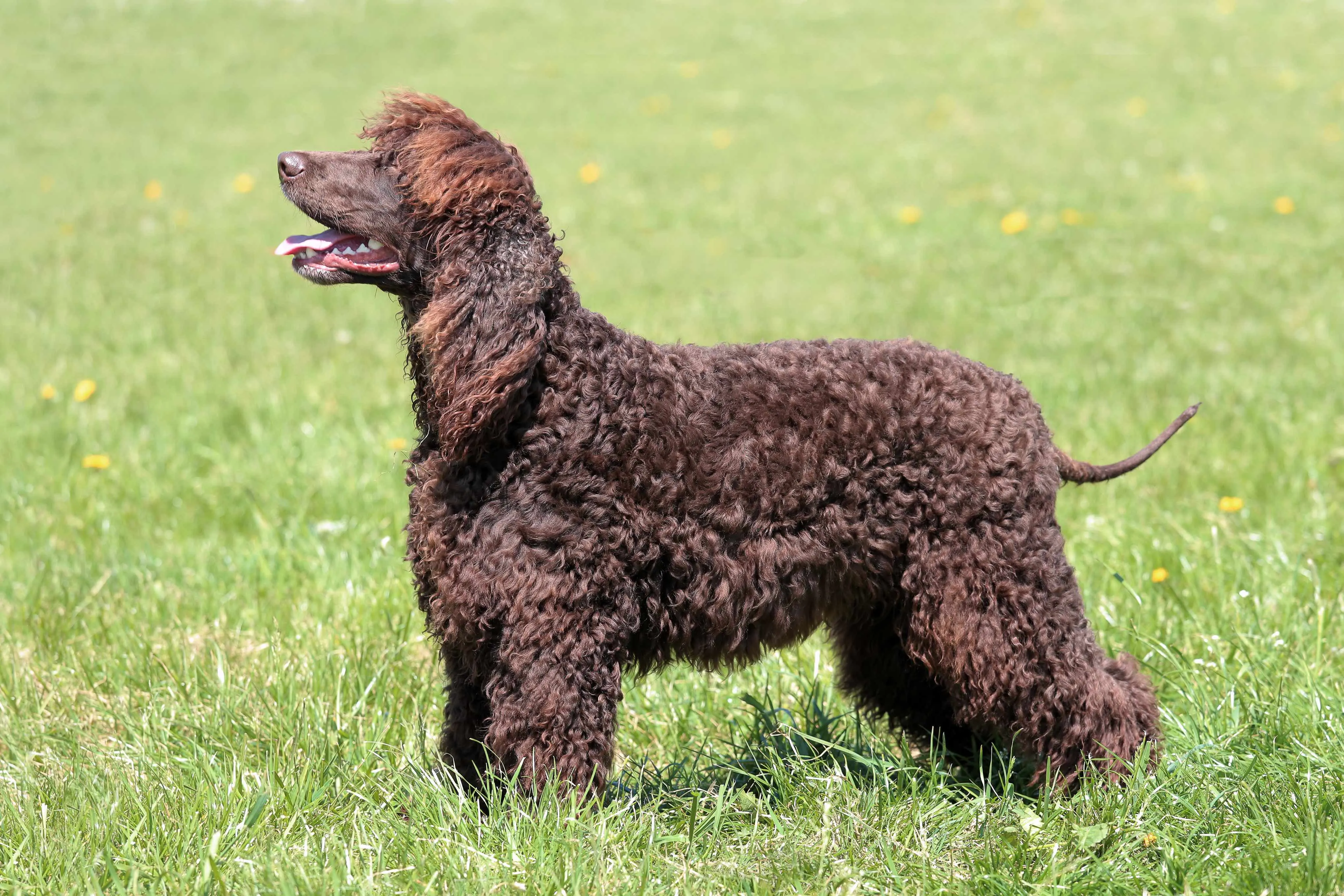 Profile view of a brown Irish Water Spaniel with a curly coat, looking alert.
Known as the “clown of the spaniel family,” the Irish Water Spaniel is a distinctive, robust, medium-to-large breed, typically weighing 45-68 pounds and standing 21-24 inches tall. Their unique, dense, tightly curled coat is naturally oily, water-repellent, and sheds minimally, similar to a Poodle’s. Always liver (brown) in color, this coat is ideal for allergy sufferers. These highly intelligent and active dogs were bred for retrieving game from water, so they possess high energy levels and a love for swimming. They are friendly, devoted to their families, and highly trainable. Regular grooming, including brushing several times a week and trimming every 6-8 weeks, is essential to keep their coat healthy and tangle-free.
6. Soft Coated Wheaten Terrier
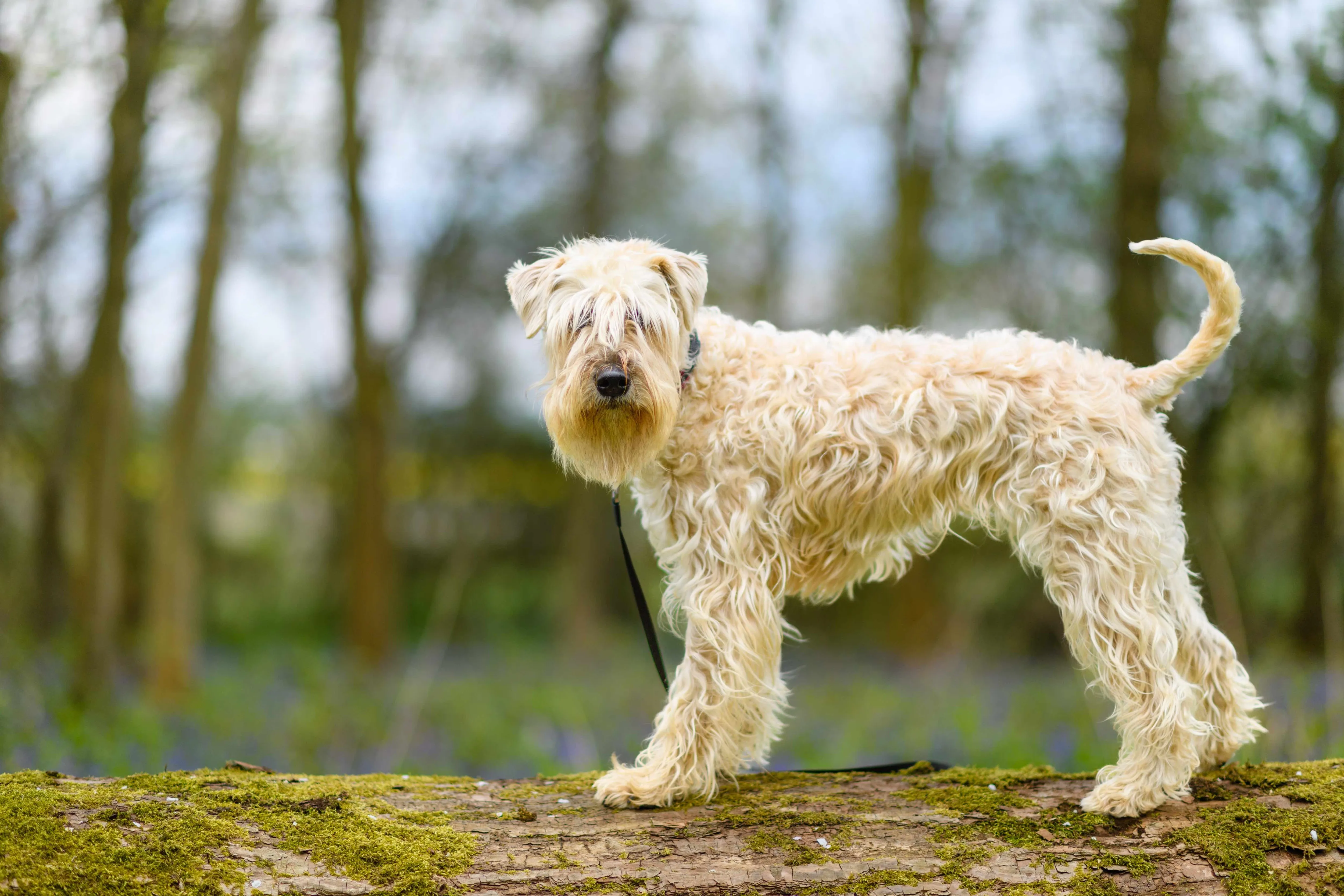 A playful Soft Coated Wheaten Terrier standing on a log in a natural setting.
The Soft Coated Wheaten Terrier is a charming Irish farm dog, famous for its luxurious, silky, wheat-colored coat that is incredibly soft to the touch. They are a true medium-sized breed, typically weighing 30-40 pounds and standing 17-19 inches tall. While their coat is long, it sheds minimally, with most loose hairs being trapped within the waves. Wheatens are joyful, intelligent, and spirited dogs that maintain a playful demeanor throughout their lives. They are known for their “Wheaten greetin’,” a happy jump to welcome their favorite people. Due to their terrier nature, they have high energy levels and require ample exercise and mental stimulation. Their single coat needs daily brushing to prevent matting and occasional trimming.
7. Xoloitzcuintli (Standard)
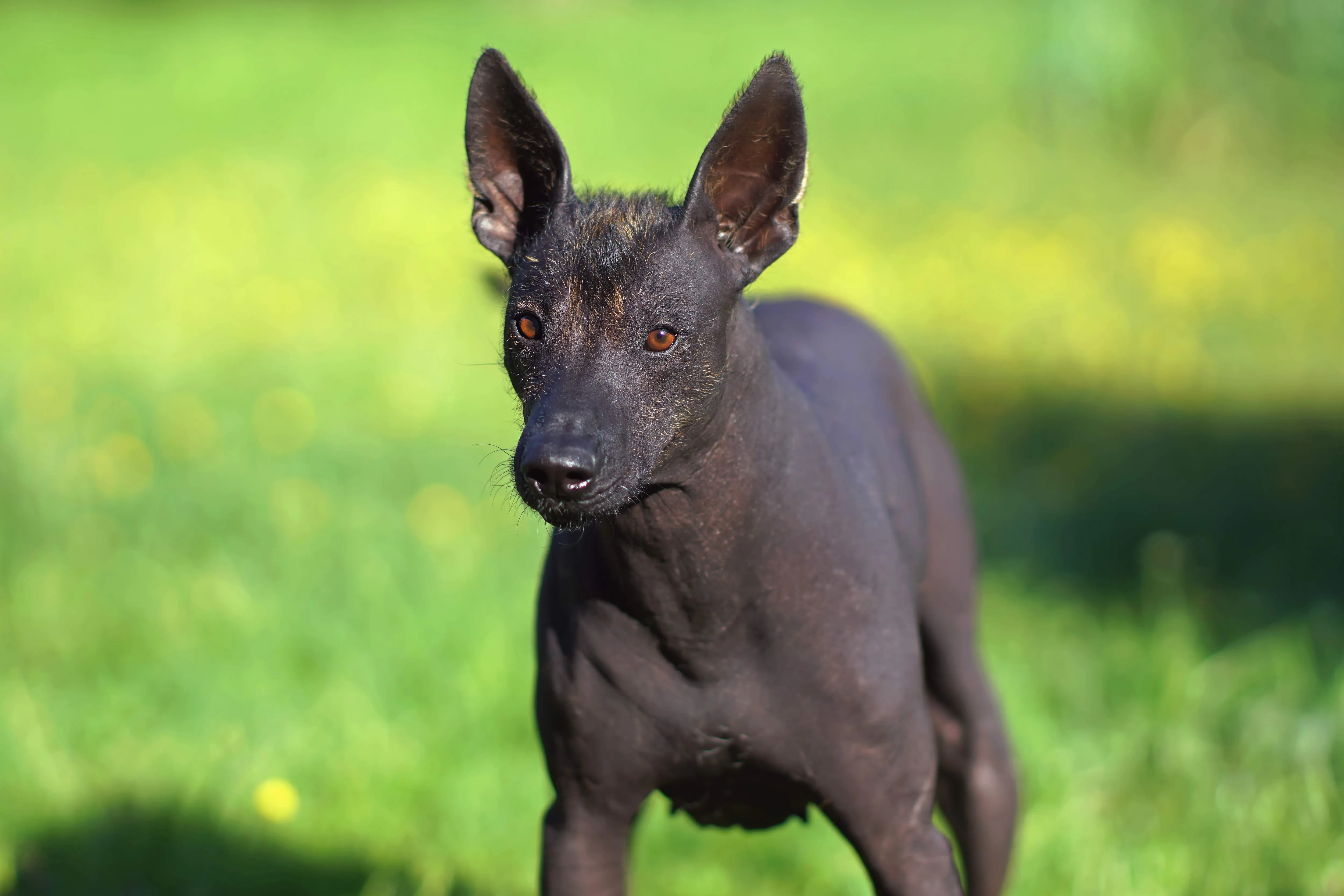 A sleek black hairless Xoloitzcuintli standing gracefully in green grass.
The Xoloitzcuintli, or Mexican Hairless Dog, is an ancient and rare breed available in three sizes: toy, miniature, and standard. The Standard Xoloitzcuintli fits the medium-sized category, weighing 30-55 pounds and standing 18-23 inches tall. They are primarily known for their hairless variety, which naturally makes them one of the ultimate low-shedding breeds. Some Xolos have a very short, fine coat, which also sheds minimally. Xolos are known for their calm, alert, and loyal personalities, often forming a strong bond with their primary caregiver. They can be wary of strangers, so early socialization is important. Skin care for the hairless variety is crucial, involving regular moisturizing and sun protection, while the coated variety requires minimal grooming.
8. Aussiedoodle
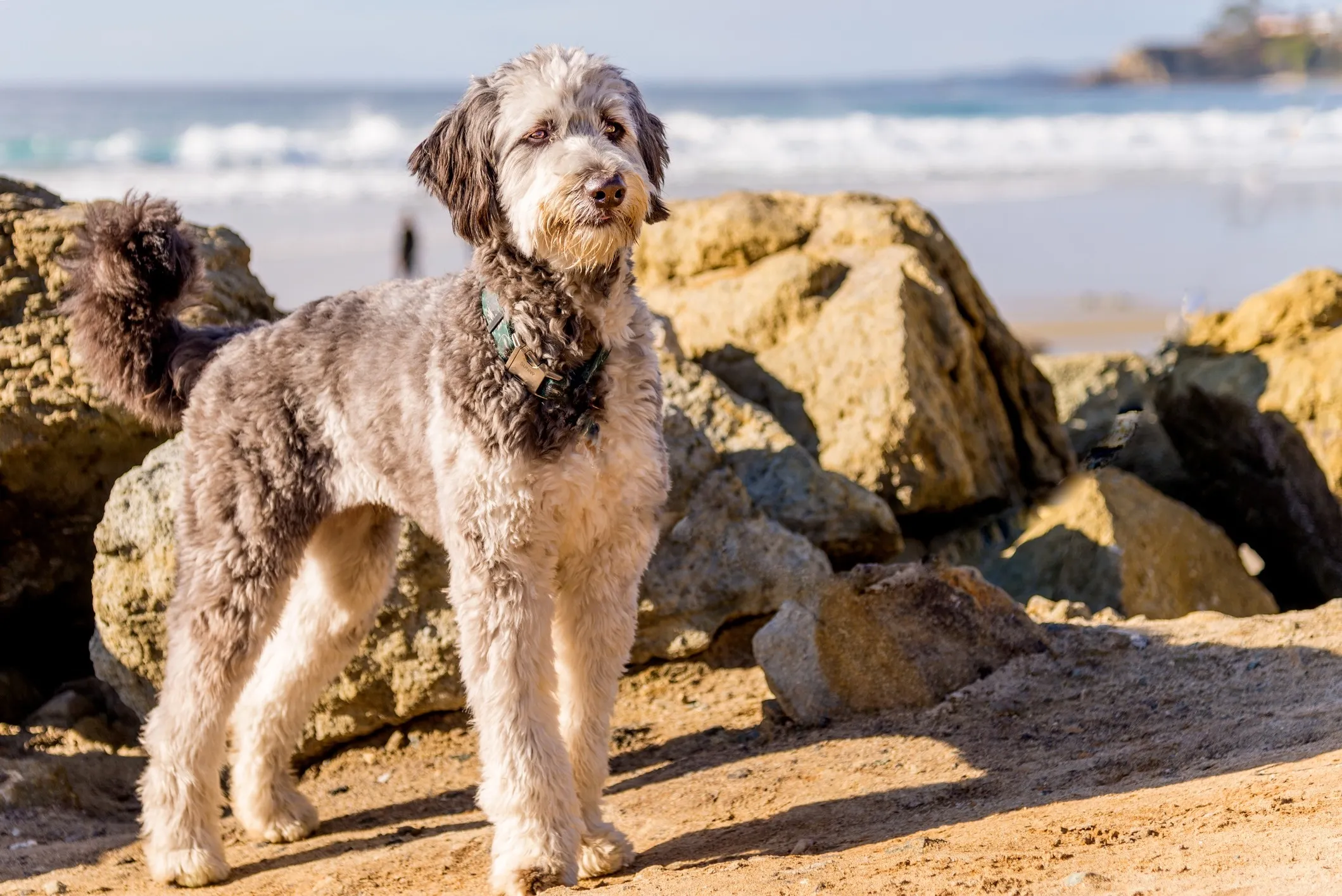 A brown and white Aussiedoodle dog standing on a beach, looking toward the ocean.
The Aussiedoodle is a popular designer crossbreed, combining the intelligence of an Australian Shepherd with the low-shedding coat of a Poodle (Standard or Miniature). While their size can vary, many Aussiedoodles fall into the medium category, weighing 25-70 pounds, depending on the Poodle parent’s size. Their coat typically ranges from wavy to curly and is known for being low-shedding, making them suitable for allergy sufferers. Aussiedoodles are incredibly smart, energetic, and affectionate dogs. They excel in activities like agility, obedience, and fetch, requiring significant exercise and mental stimulation to prevent boredom. Regular brushing (several times a week) is necessary to keep their coats free of tangles and mats.
9. Whoodle
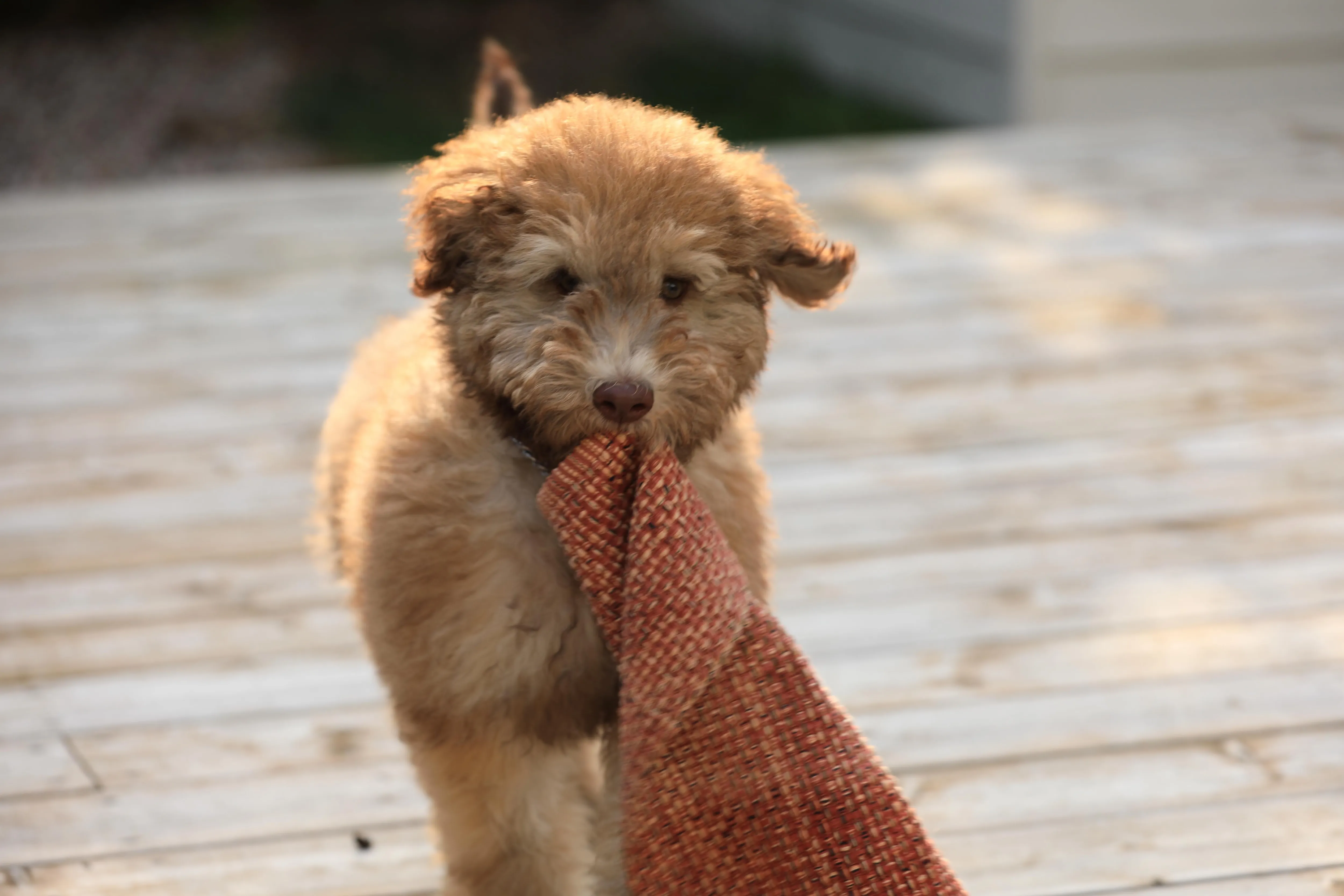 A light tan Whoodle puppy playfully pulling on a washcloth indoors.
A Whoodle is a charming crossbreed resulting from the mating of a Soft Coated Wheaten Terrier and a Poodle. This delightful mix often results in a medium-sized dog, typically weighing between 20-50 pounds and inheriting the low-shedding qualities of both parent breeds. Their coat is usually soft, wavy, or curly, and sheds very little. Whoodles are known for their friendly, affectionate, and intelligent personalities, making them wonderful family pets. They are playful and enjoy being part of family activities, requiring moderate exercise. Their coats require consistent brushing to prevent matting, usually several times a week, and professional grooming every few months.
10. Barbet
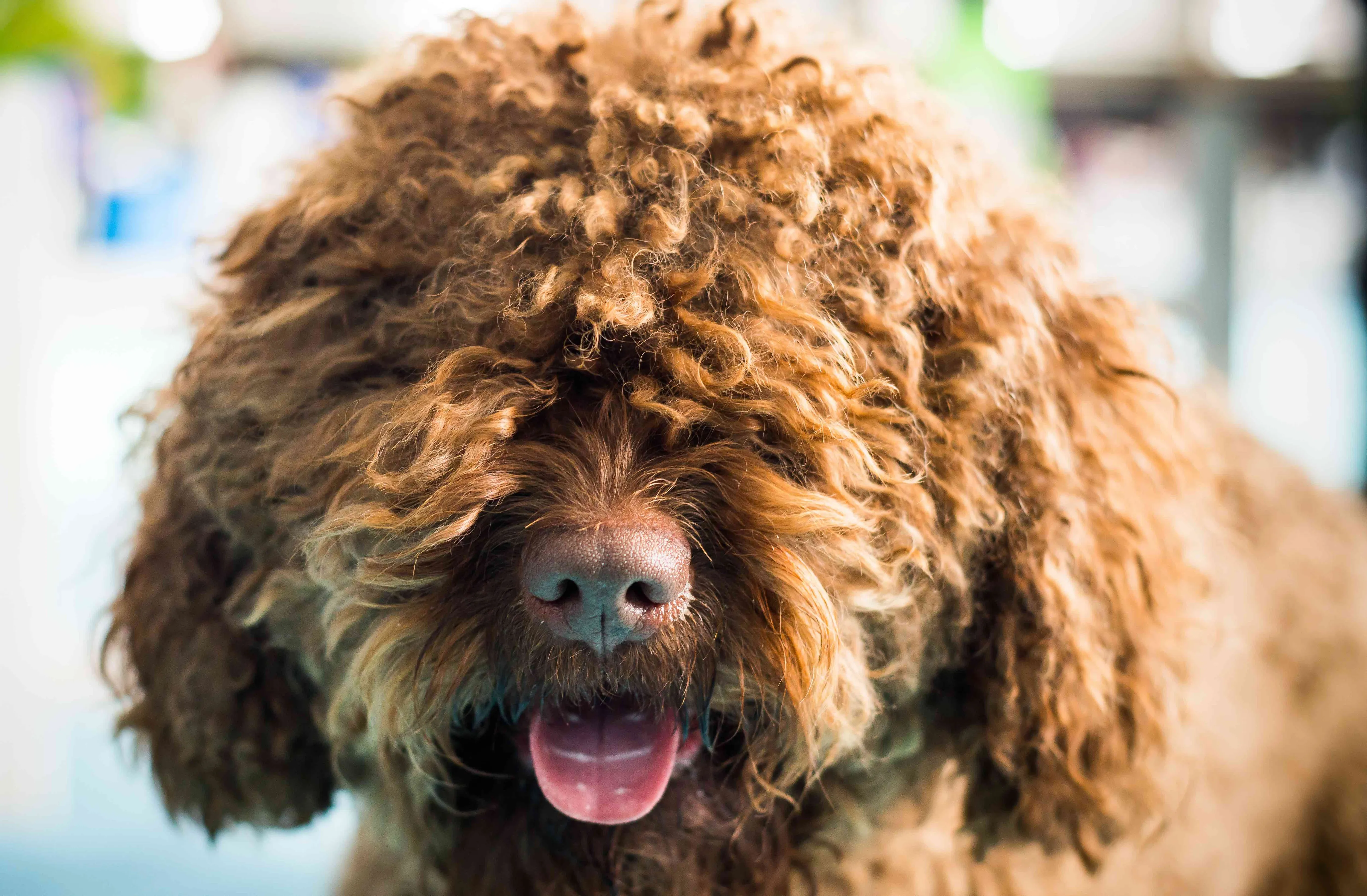 Close-up of a curly red Barbet dog's face, looking attentively.
The Barbet is a cheerful and intelligent French water dog, possessing a dense, long, woolly coat that is distinctive and sheds minimally. While they can lean towards the larger side of medium, they generally weigh 35-65 pounds and stand 20-25 inches tall. Their protective curly coat is a hallmark of the breed, preventing loose hair and dander from escaping into the environment, thereby reducing allergic reactions. True to their heritage, Barbets love water and need plenty of opportunities for exercise, including swimming, hiking, and long walks. They are social, outgoing, and good-natured, making them excellent family companions. Their unique coat requires diligent grooming, including brushing two to three times a week and regular professional trimming to prevent matting.
Essential Tips for Living with a Low-Shedding Dog
Even with a low-shedding dog, managing allergens and maintaining a clean home environment requires a proactive approach. Here are crucial tips to ensure a harmonious life with your furry friend:
Consistent Grooming and Bathing: This is paramount. While these breeds shed less, their coats still accumulate dander and require regular care.
- Brushing: Brush your dog several times a week, or even daily for some breeds, to remove trapped loose hair and dander. Use a slicker brush or a pin brush suitable for their coat type.
- Bathing: Bathe your dog every 4-6 weeks with a gentle, moisturizing dog shampoo. Some owners find that using a specialized dander-reducing shampoo can further help. Regular bathing washes away dander and allergens from their coat.
- Professional Grooming: Many low-shedding breeds require professional clipping or hand-stripping every 6-8 weeks. Factor this into your budget and schedule.
Maintain a Clean Home Environment: Minimizing allergens in your living space is as important as grooming your dog.
- Vacuum Regularly: Use a vacuum cleaner with a HEPA filter on carpets, rugs, and upholstery multiple times a week.
- Dust Frequently: Dust surfaces with a damp cloth to capture allergens rather than just spreading them around.
- Wash Bedding: Wash your dog’s bed and your own bedding regularly in hot water to eliminate dander.
- Air Purification: Consider using air purifiers with HEPA filters in main living areas and bedrooms to capture airborne allergens.
- Designated Dog Zones: Limit your dog’s access to certain areas, especially bedrooms, to create allergen-free zones.
Consult with Your Doctor and Veterinarian:
- Allergy Management: If you have allergies, discuss a management plan with your healthcare provider. This may include antihistamines, nasal sprays, or allergy shots.
- Veterinary Care: Regular veterinary check-ups ensure your dog’s skin and coat are healthy, as skin conditions can sometimes increase dander production.
Bringing home a medium sized dog breeds don t shed can significantly enhance the quality of life for individuals with allergies, offering the joy of pet companionship with fewer adverse reactions. By diligently implementing these grooming and cleaning practices, you can create a happy, healthy, and allergy-friendly environment for everyone in your household.
Conclusion
Choosing a dog when allergies are a concern doesn’t mean sacrificing the joy of pet ownership. The world of medium sized dog breeds don’t shed offers a fantastic array of intelligent, affectionate, and robust companions that can thrive in various home environments while significantly reducing allergen exposure. From the regal Standard Poodle and the spirited Standard Schnauzer to the water-loving Portuguese Water Dog and the silky-coated Soft Coated Wheaten Terrier, there’s a low-shedding medium breed to match almost every lifestyle and personality.
While no dog is truly allergen-free, these breeds minimize the release of dander and loose hair, making them a practical and popular choice for allergy sufferers. The key to a harmonious relationship lies in understanding their specific needs: a commitment to regular grooming, diligent home cleaning, and open communication with your healthcare provider. By embracing these practices, you can enjoy all the love, laughter, and loyalty a canine companion brings, without the constant worry of allergic reactions. Explore these wonderful breeds and find the perfect medium-sized, low-shedding dog to enrich your life.
References
- National Institute of Environmental Health Sciences (NIEHS). “Pet Allergens.”
- PetMD. “Dog Breeds.”
- American Kennel Club (AKC). “Breed Information.”
- The Barbet Club of America. “Barbet History.”
