
For many dog lovers, the dream of pet ownership is often clouded by the reality of allergies. The good news is that living with a furry friend doesn’t have to mean constant sneezing and itching. While no dog is entirely allergen-free, many breeds are considered “hypoallergenic” because they shed minimally, reducing the spread of dander and allergens in your home. This article focuses on medium dog breeds that dont shed a lot, offering the perfect balance of manageable size and allergy-friendly coats for families and individuals alike.
Navigating the world of dog breeds can be overwhelming, especially when you’re looking for a specific set of traits. Medium-sized dogs offer the advantage of being substantial enough for active families, yet compact enough for various living situations, from spacious homes to cozier apartments. These breeds are often known for their adaptable temperaments, intelligence, and a relatively easier grooming routine compared to their heavy-shedding counterparts. Understanding what makes a dog truly low-shedding and how to manage potential allergens will pave the way for a harmonious life with your new canine companion.
Understanding Hypoallergenic Dogs
The term “hypoallergenic” is often misunderstood. It doesn’t mean a dog produces zero allergens; rather, it indicates that they produce fewer allergens or release them less into the environment. Dogs produce allergens in their dander (flakes of skin), saliva, and urine. Breeds that shed less tend to release less dander, making them a better fit for some people with allergies. However, it’s crucial to remember that individual reactions can vary, and even a low-shedding dog can trigger symptoms in highly sensitive individuals. The key is finding a breed with a coat type that minimizes the spread of these allergens.
The reduced shedding in these breeds is typically due to their unique coat textures, such as curly, wiry, or single coats, which trap loose hair and dander rather than releasing it into the home. Regular grooming, including brushing and bathing, becomes even more important for these dogs to remove trapped allergens and maintain coat health. This proactive approach to grooming can significantly help in managing allergies, allowing you to enjoy the companionship of a dog without discomfort.
Top Medium-Sized Dog Breeds That Don’t Shed
If you’re looking for a canine companion that’s just right in size and won’t leave a trail of fur, these medium-sized, low-shedding breeds are excellent choices. Each offers a unique blend of personality, grooming needs, and activity levels.
Standard Poodle
The Standard Poodle, the largest of the three Poodle varieties, is an elegant and highly intelligent breed renowned for its curly, non-shedding coat. Originally bred as water retrievers, these dogs are highly trainable and excel in various canine sports and activities. Their dense, curly fur traps loose hair and dander, making them an excellent choice for allergy sufferers. Despite their sophisticated appearance, Standard Poodles are playful, affectionate, and make wonderful family pets.
Maintaining a Standard Poodle’s coat requires regular professional grooming or dedicated at-home care, including frequent brushing to prevent matting and tangles. Their intelligence means they thrive on mental stimulation and consistent training. Standard Poodles also have a moderate to high energy level, requiring daily exercise such as long walks, runs, or engaging play sessions to keep them happy and well-behaved. Their combination of smarts, athleticism, and an allergy-friendly coat makes them one of the most easy to train dogs that don t shed for many households.
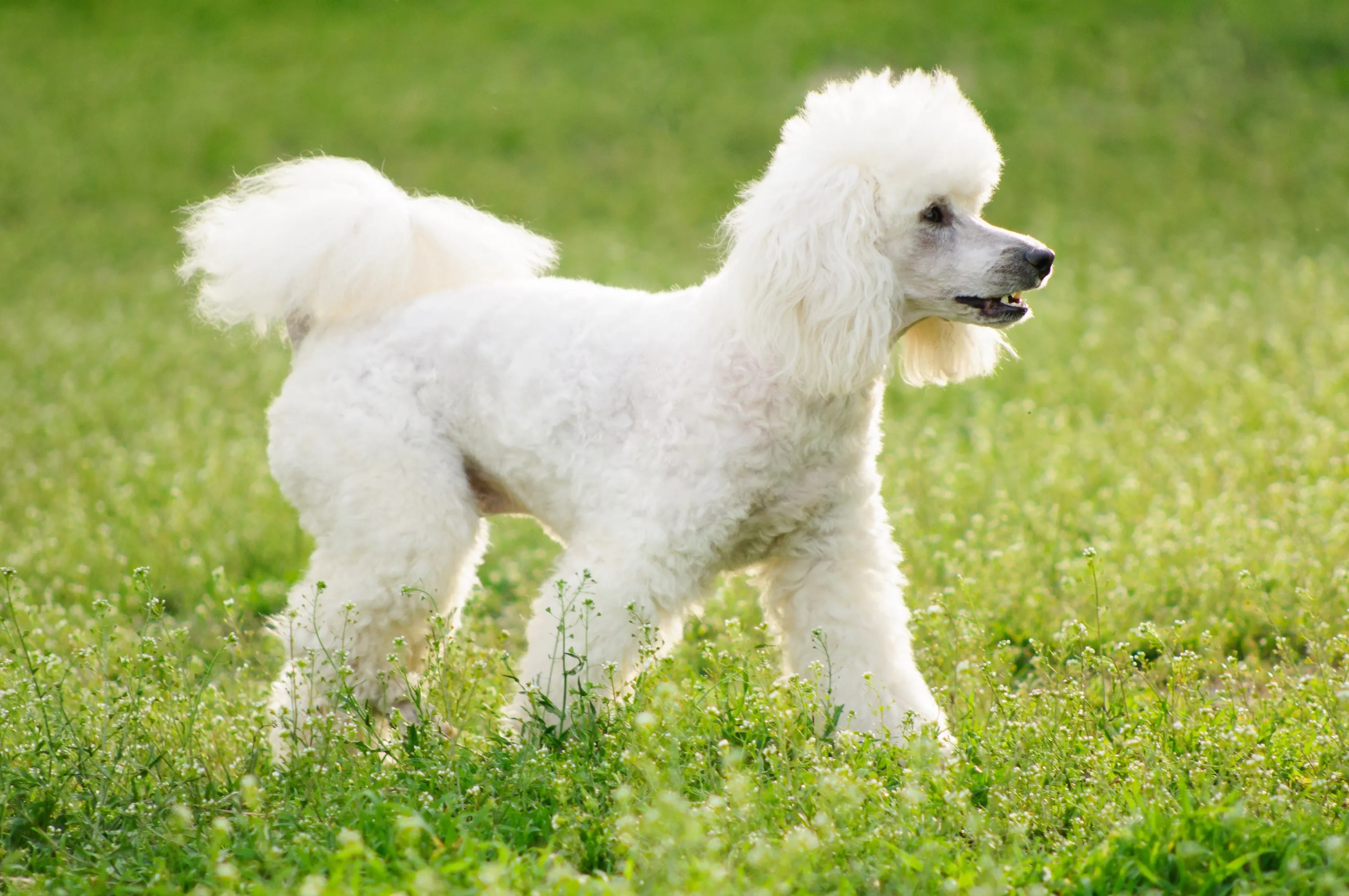 Majestic white Standard Poodle walking through green grass
Miniature Schnauzer
The Miniature Schnauzer is a robust and lively terrier known for its distinctive bushy eyebrows and beard, along with a wiry, low-shedding coat. Standing no more than 14 inches tall and weighing between 10-20 pounds, they perfectly fit the medium-sized category. These intelligent and spirited dogs are incredibly versatile, adapting well to various living environments, from apartments to houses with yards, as long as they receive adequate exercise and attention.
Miniature Schnauzers are alert, playful, and make excellent watchdogs. Their affectionate nature makes them devoted companions, though they can be quite vocal. Their wiry coat requires regular grooming, including brushing several times a week and professional clipping or hand-stripping every few months to maintain its texture and minimize shedding. Daily walks and playtime are essential to satisfy their energetic spirit and keep them mentally stimulated, preventing boredom-related behaviors.
Standard Schnauzer
The Standard Schnauzer is a larger version of the Miniature, typically weighing up to 45 pounds, and shares many of the desirable traits, including its wiry, low-shedding coat. These dogs are intelligent, protective, and possess a strong-willed yet loyal temperament. They are known for their distinctive “schnauzer” look, with bushy eyebrows and a beard that gives them a distinguished appearance. Standard Schnauzers are robust and active, requiring a good deal of exercise to thrive.
Their larger size and strong protective instincts make them excellent family guardians. They are highly intelligent and respond well to consistent training and socialization from an early age. The Standard Schnauzer’s coat, like the Miniature, needs regular brushing to prevent matting and professional grooming every 6-8 weeks. Their energy levels demand long walks, playtime, and activities like fetch or puzzle toys to keep them engaged. As a result, they are considered among the well behaved dog breeds that don t shed when properly exercised and trained.
Portuguese Water Dog
Originally bred to assist fishermen by herding fish, retrieving broken nets, and acting as messengers between boats, the Portuguese Water Dog is a highly energetic and intelligent medium-sized breed with a distinct curly or wavy, low-shedding coat. These dogs typically weigh between 35-60 pounds and possess a robust, muscular build. Their love for water is undeniable, making them ideal companions for active individuals or families who enjoy outdoor activities like swimming, hiking, and agility sports.
Portuguese Water Dogs are known for their loyal, independent, and adventurous personalities. They thrive on being part of family activities and require significant mental and physical stimulation to prevent boredom. Their thick coat, while low-shedding, needs regular grooming, including daily brushing to prevent mats and professional clipping every 6-8 weeks. Their intelligence makes them highly trainable, but their independent streak means consistent and positive reinforcement training is key. For those seeking breeds of medium sized dogs that don t shed and love the water, this breed is an excellent match.
 Black and white Portuguese Water Dog with a red maple leaf bandana by the water
Lagotto Romagnolo
Hailing from Italy, the Lagotto Romagnolo is an ancient breed known for its exceptional truffle-hunting abilities and its dense, curly, woolly coat that sheds very little. These charming dogs are typically medium-sized, weighing between 24-35 pounds, and have a rustic, endearing appearance. Lagotti Romagnoli are affectionate, intelligent, and highly trainable, making them excellent family pets, often getting along well with children and other animals.
Their working dog heritage means they are active and intelligent, requiring both physical exercise and mental stimulation. Activities like puzzle toys, obedience training, and even scent work are great ways to keep them engaged. The Lagotto’s unique coat needs regular care to prevent matting; weekly brushing and periodic trims are essential. While less common than some other hypoallergenic breeds, their friendly nature and low-shedding qualities make them a delightful choice for those seeking a unique medium-sized companion.
Soft Coated Wheaten Terrier
The Soft Coated Wheaten Terrier is a spirited and affectionate Irish breed known for its silky, soft, wheat-colored coat that, as its name suggests, is incredibly soft to the touch and sheds minimally. Wheatens are squarely medium-sized, typically weighing between 30-40 pounds, and possess an energetic, joyful disposition often described as “wheaten greetin’.” They are playful and friendly, making them wonderful companions for active families.
As terriers, Wheatens maintain a high energy level throughout their lives and require ample exercise and mental stimulation to be on their best behavior. Daily vigorous walks, playtime, and engaging activities are crucial. Their unique coat needs diligent grooming; daily brushing is often necessary to prevent tangles and mats from forming, especially after outdoor adventures. Consistent training and early socialization are also important to harness their exuberance.
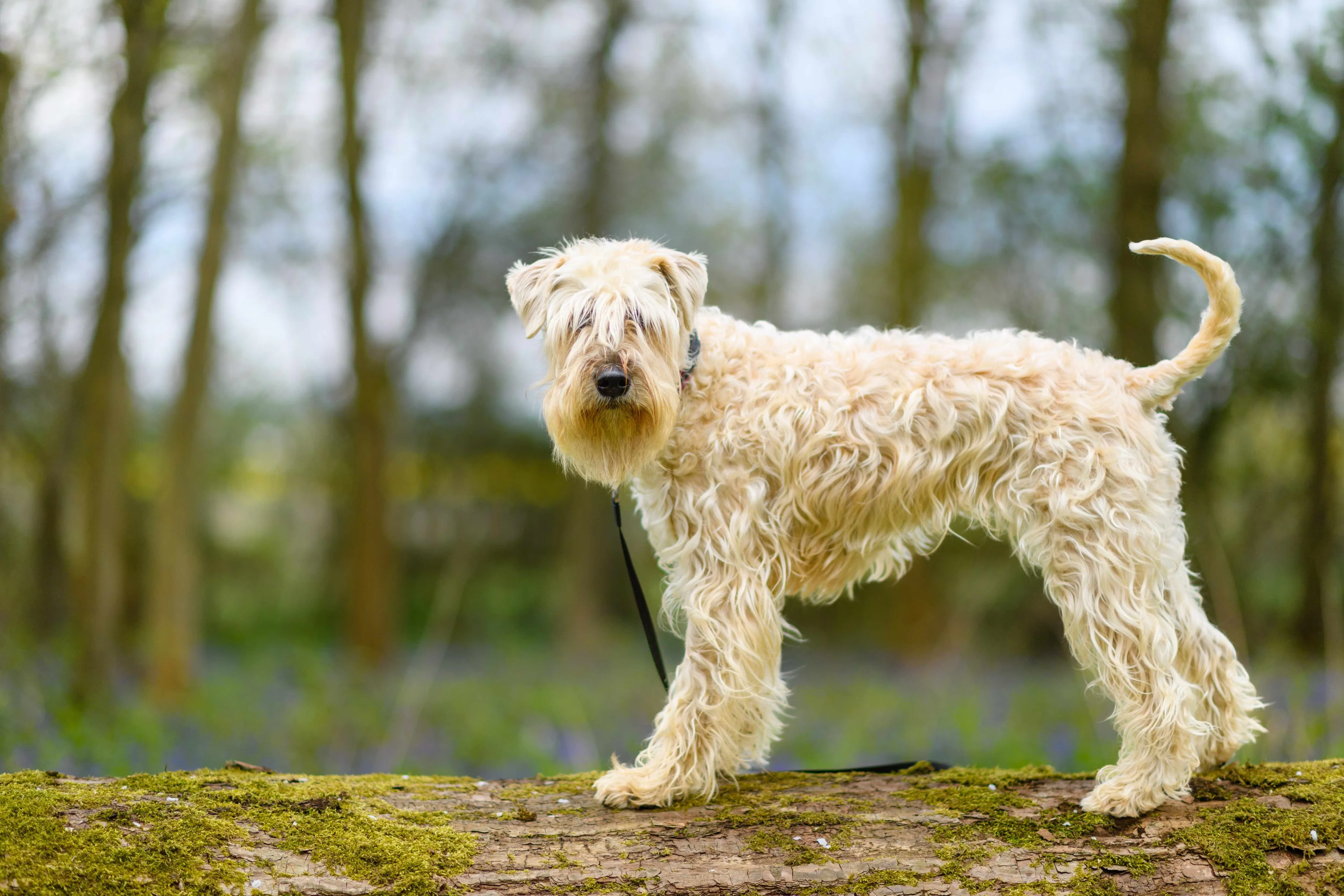 Joyful Soft Coated Wheaten Terrier dog standing on a log
Whoodle
The Whoodle is a delightful crossbreed resulting from a Soft-Coated Wheaten Terrier and a Poodle, combining the best traits of both low-shedding parent breeds. These medium-sized dogs typically inherit the Poodle’s intelligence and the Wheaten’s affectionate, playful nature, along with a soft, wavy or curly coat that sheds very little. Whoodles vary in size depending on whether a Standard or Miniature Poodle was used, but many fall perfectly into the medium category.
Known for their friendly and outgoing personalities, Whoodles make excellent family pets that thrive on companionship and interaction. They are generally good with children and other pets, provided they are properly socialized. Whoodles are intelligent and eager to please, making them highly trainable. Their energy levels are moderate to high, requiring daily exercise and mental engagement to keep them happy and prevent boredom. Regular grooming, including brushing several times a week, is necessary to keep their coats free of mats.
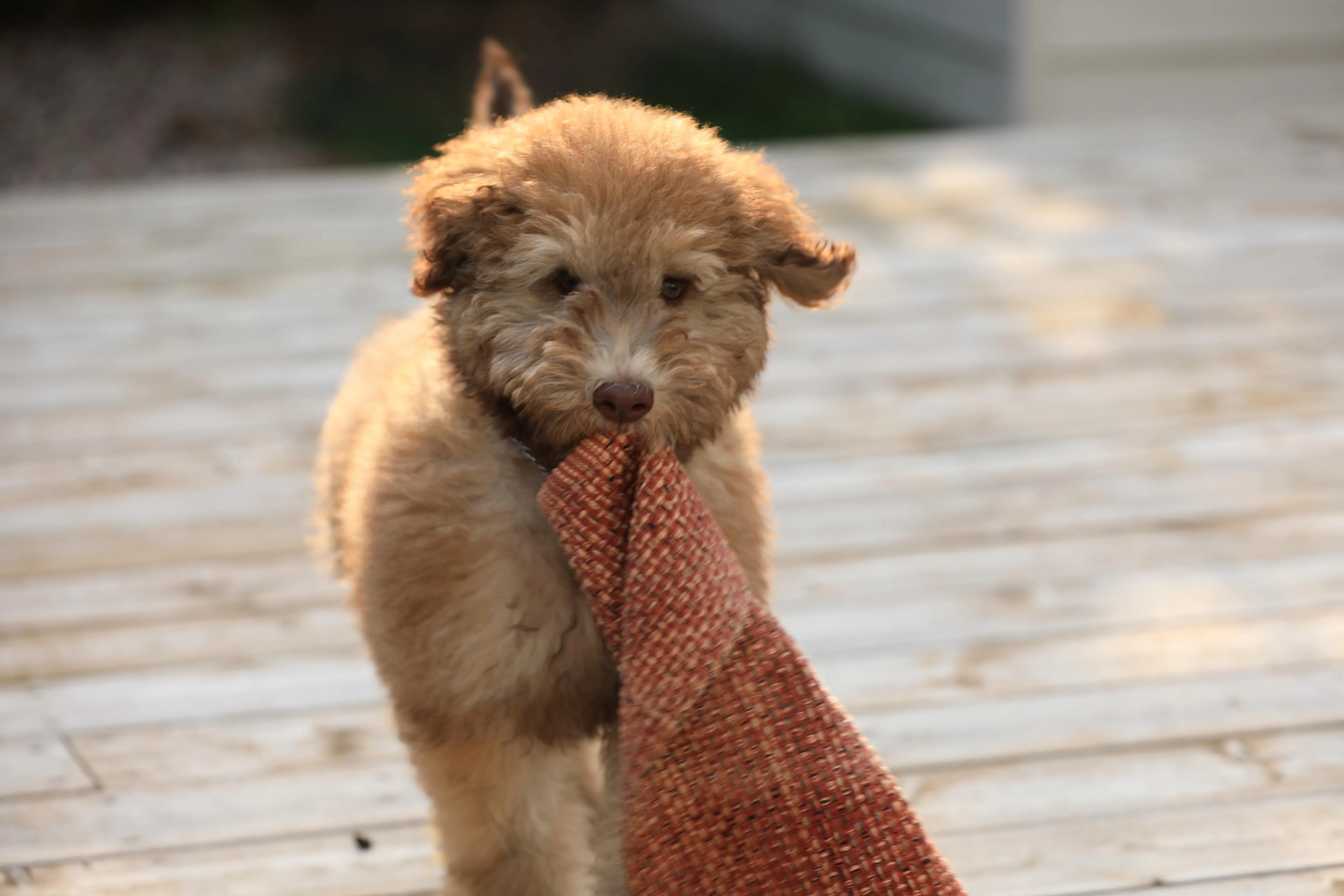 Playful tan Whoodle puppy dragging a washcloth indoors
Aussiedoodle
The Aussiedoodle is a popular designer breed, a cross between an Australian Shepherd and a Standard or Miniature Poodle. These intelligent and energetic dogs can range in size from miniature to standard, with many falling into the medium category (25-70 pounds), making them a versatile choice for families seeking a low-shedding companion. They inherit a wavy or curly coat that is typically very low-shedding, combining the Poodle’s hypoallergenic qualities with the Australian Shepherd’s striking looks and intelligence.
Aussiedoodles are known for their high intelligence, trainability, and affectionate nature. They are energetic and require a significant amount of physical activity and mental stimulation to prevent boredom and destructive behaviors. Daily exercise, such as long walks, runs, fetch, and engaging in dog sports like agility, is crucial for their well-being. Their coats need regular brushing, typically several times a week, to prevent matting. They are wonderful companions for active families looking for dogs like golden retriever that don t shed but are active and intelligent.
 Energetic standard Aussiedoodle dog standing on a sandy beach
Tips for Living with a Low-Shedding Dog
Even with a medium size dog that doesn’t shed, managing allergies and maintaining a clean environment requires consistent effort. These tips will help you create a harmonious home for both you and your low-shedding companion.
Keep Up With Grooming
The biggest advantage of low-shedding breeds is their coat, but it also means regular grooming is paramount. While they don’t shed much, their hair continues to grow and can easily mat if not properly maintained. Regular brushing (several times a week, or even daily for some breeds) is crucial to remove loose hairs and dander trapped within the coat, preventing tangles and distributing natural oils.
Regular bathing, ideally every four to six weeks, also helps to wash away accumulated dander and allergens. Consider using a hypoallergenic dog shampoo or a dander-reducing product specifically formulated for sensitive skin. Many low-shedding breeds, especially those with curly coats, also require professional trimming every 6-8 weeks to keep their coat at a manageable length and in good condition. Factor this into your budget or be prepared to learn at-home grooming techniques.
Maintain a Clean House
Even the most “hypoallergenic” dog will still introduce some allergens into your home. Therefore, maintaining a clean living environment is essential for allergy sufferers. Regularly vacuuming floors, carpets, and upholstery with a vacuum cleaner equipped with a HEPA filter can significantly reduce pet dander. Dusting surfaces frequently with a damp cloth will also help capture allergens rather than just spreading them around.
Washing bedding, pet beds, and any fabrics your dog frequently contacts on a regular basis is also important. Utilizing air purifiers with HEPA filters can help remove airborne allergens, and ensuring good ventilation by opening windows when possible or using exhaust fans can also improve air quality. Creating “allergen-free zones” in your home, such as your bedroom, where the dog is not allowed, can provide a respite for allergy sufferers.
Talk to Your Doctor
If you have allergies, consulting with your healthcare provider or an allergist is a crucial step before bringing any dog home, even a low-shedding one. They can provide personalized advice, discuss potential allergy management strategies, and recommend medications or treatments such as nasal sprays or allergy injections (immunotherapy). Understanding your specific allergic triggers and severity will help you make an informed decision and prepare for life with a dog.
It’s also important to remember that dog allergens are present in skin, saliva, and urine. Even if a dog sheds minimally, direct contact with their saliva (e.g., licks) or urine can still trigger an allergic reaction. Be mindful of these interactions and practice good hygiene, such as washing your hands after petting your dog, to minimize exposure.
Conclusion
Choosing a medium size dog that doesn’t shed allows many individuals and families to experience the profound joy of canine companionship without the constant worry of allergic reactions. Breeds like the Standard Poodle, Miniature and Standard Schnauzers, Portuguese Water Dog, Lagotto Romagnolo, Soft Coated Wheaten Terrier, Whoodle, and Aussiedoodle offer a fantastic array of personalities and activity levels, all while keeping shedding to a minimum. While no dog is truly 100% hypoallergenic, these breeds significantly reduce the amount of dander and hair released into the environment, making them ideal for sensitive individuals.
Remember that responsible pet ownership for a low-shedding dog includes a commitment to regular grooming, maintaining a clean home, and understanding personal allergy management strategies. By diligently following these guidelines, you can create a happy, healthy, and sneeze-free home where both you and your beloved medium-sized, low-shedding companion can thrive. Explore these wonderful breeds and find the perfect furry friend to bring joy and activity into your life.
