
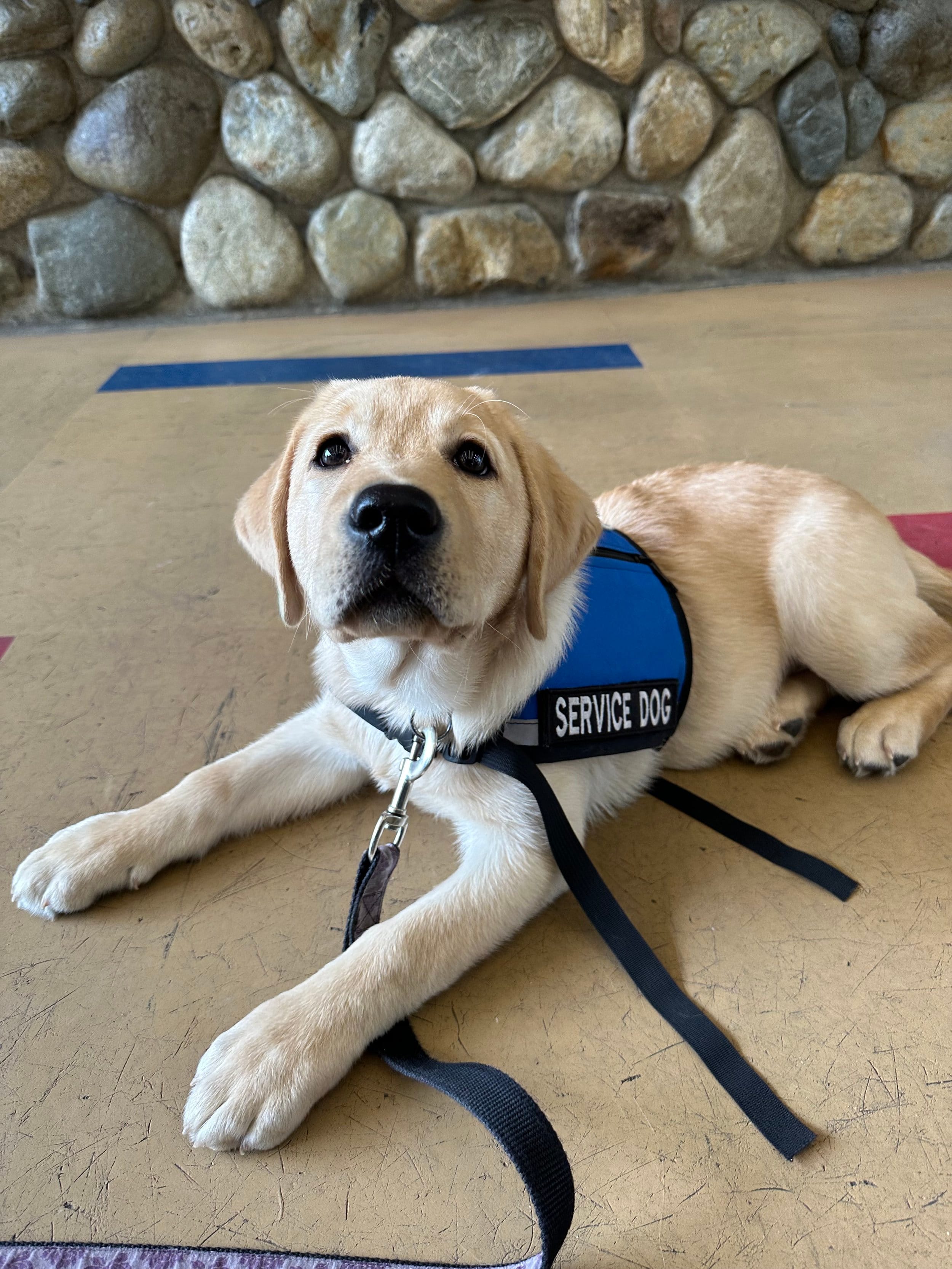
Training a dog to become a medical alert service animal is a profound journey, offering unparalleled support and independence to individuals with chronic health conditions. These highly trained companions are more than just pets; they are lifelines, capable of detecting physiological changes and alerting their handlers to impending medical emergencies. If you’re seeking expert guidance on Medical Alert Dog Training Near Me, you’ve come to the right place. We delve into the world of specialized canine training, exploring what it takes to create these incredible service animals and how to find the best training solutions in your area.
The bond between a handler and their medical alert dog is built on trust, understanding, and rigorous training. These dogs are taught to recognize subtle cues – such as changes in scent, heart rate, or blood sugar levels – that may precede a medical event like a seizure, diabetic hypoglycemic or hyperglycemic episode, or even an impending allergic reaction. Their ability to alert their handler, and often to retrieve necessary medication or alert other people, can be the critical difference in managing a health condition and ensuring safety.
Understanding the Role of a Medical Alert Dog
Medical alert dogs are specifically trained to sense and respond to biological indicators of a medical issue. Unlike mobility assistance dogs or psychiatric service dogs, their primary function revolves around detecting and alerting to conditions that affect the body’s internal state. This requires a unique set of skills and an intensive training regimen tailored to the individual’s specific medical needs.
How Do Medical Alert Dogs Work?
The efficacy of a medical alert dog lies in its highly developed sense of smell and its ability to be trained to recognize specific scent molecules that change during a medical episode. For example, a dog might be trained to detect the scent change associated with a drop in blood sugar for a diabetic handler or the scent of specific volatile organic compounds released by the body before a seizure.
- Diabetic Alert Dogs: These dogs are trained to detect dangerous fluctuations in blood glucose levels. They can alert their handler to high or low blood sugar before the handler is even aware of a problem, allowing them to take corrective action.
- Seizure Alert Dogs: While not all dogs can predict seizures, some individuals are particularly adept at sensing the pre-seizure aura or subtle physiological changes that precede a seizure. They are trained to alert their handler and provide support during and after a seizure event.
- Allergy Alert Dogs: These dogs are trained to detect the presence of specific allergens, such as peanuts, gluten, or other foods, in the handler’s environment. This is invaluable for individuals with severe, life-threatening allergies.
- Cardiac Alert Dogs: Some dogs can sense changes in their handler’s heart rate or blood pressure and are trained to alert them to potential cardiac episodes.
The Training Process: A Commitment to Excellence
The journey to becoming a fully-fledged medical alert dog is extensive and demanding. It typically involves several phases, from basic obedience and socialization to highly specialized task training.
- Foundation Training: This includes mastering basic obedience commands (sit, stay, come, down), leash manners, and socialization with various environments, people, and other animals. A well-behaved and confident dog is crucial for service work.
- Task-Specific Training: This is the core of medical alert dog training. It involves teaching the dog to recognize specific scent cues or physiological changes and perform a distinct alert behavior. This is often achieved through a combination of scent training, positive reinforcement, and desensitization techniques.
- Generalization and Proofing: Once the dog reliably performs its tasks in a controlled environment, training is generalized to real-world situations. This means practicing alerts in public places, around distractions, and under various conditions to ensure the dog remains focused and effective.
- Handler Training: Equally important is training the handler. This ensures the handler understands how to read their dog’s alerts, respond appropriately, and maintain the dog’s training and well-being. The partnership is key to success.
Finding Medical Alert Dog Training Near Me
Locating a reputable training program for medical alert dog training near me requires careful research. Not all dog trainers specialize in service animal work, and fewer still have expertise in the intricate details of medical alert training.
When searching for a trainer or program, consider the following:
- Specialization: Does the trainer have a proven track record specifically with medical alert or service dog training? Ask for references and testimonials from clients with similar conditions.
- Methodology: Reputable trainers use positive reinforcement methods. Avoid trainers who use harsh corrections or punishment-based techniques, as these can create fear and anxiety in the dog and are ineffective for complex service tasks.
- Certification: While not all skilled trainers are certified, look for those who hold certifications from recognized organizations such as the Certification Council for Professional Dog Trainers (CCPDT) or the Association of Professional Dog Trainers (APDT). For service dogs, programs may also adhere to standards set by organizations like Assistance Dogs International (ADI).
- Program Structure: Understand the training program’s duration, cost, and what is included. Does it cover both dog training and handler training? What level of support is provided post-graduation?
- Location and Logistics: Consider the proximity of the training facility. Some programs may offer in-home training or board-and-train options, which can be beneficial depending on your needs. If you’re looking into specialized programs like service dog training in my area, ensure they have experience with medical alerts.
The Benefits of a Trained Medical Alert Dog
The impact of a medical alert dog extends far beyond immediate safety. These dogs foster a sense of security, reduce handler anxiety, and promote greater independence and quality of life.
- Enhanced Safety: The primary benefit is the dog’s ability to provide early warnings, preventing severe medical episodes or mitigating their consequences.
- Increased Independence: Handlers can feel more confident navigating daily life, knowing they have a trained partner watching over them. This can translate to greater freedom to travel, work, and socialize.
- Reduced Anxiety: The constant worry associated with managing a chronic health condition can be significantly lessened with the reliable support of a service dog.
- Emotional Support: Beyond their trained tasks, medical alert dogs provide invaluable companionship and emotional support, combating feelings of isolation often associated with chronic illness.
Investing in a Brighter Future
Choosing to train a medical alert dog is a significant commitment, both in terms of time and financial resources. However, the rewards – increased safety, independence, and a devoted companion – are immeasurable. For those navigating the complexities of chronic health conditions, a well-trained medical alert dog can truly be life-changing. If you are exploring options for becoming a service dog trainer or seeking a trained dog, thorough research into qualified programs is essential.
Frequently Asked Questions About Medical Alert Dog Training
Q1: How long does it take to train a medical alert dog?
A: The training process can vary significantly, typically ranging from six months to two years or more, depending on the dog’s age, aptitude, and the complexity of the medical alerts being trained.
Q2: Can I train my own dog to be a medical alert dog?
A: While some dedicated owners can achieve success with extensive research and professional guidance, it’s often recommended to work with specialized trainers. They possess the expertise and experience to ensure the dog is reliably trained for critical medical alerts. A structured program, like loyal companion dog training, can provide a good foundation.
Q3: What breeds are best suited for medical alert work?
A: Many breeds can excel as medical alert dogs, but breeds known for their intelligence, trainability, and stable temperament are often preferred. Labrador Retrievers, Golden Retrievers, Poodles, and German Shepherds are common choices. However, an individual dog’s temperament is more important than breed alone.
Q4: What is the cost of medical alert dog training?
A: Costs can range widely, from a few thousand dollars for basic service dog training to upwards of $10,000-$30,000 or more for highly specialized, fully trained medical alert dogs from reputable organizations. This often includes the dog itself, extensive training, and ongoing support.
Q5: Are there any specific tools or equipment recommended for medical alert dogs?
A: Beyond a standard service dog vest and leash for public access, specific equipment might include a medical alert bracelet for the handler, and sometimes, tools like training mats for dogs can be useful during the foundational stages of training at home.
Q6: Can a medical alert dog also perform other service dog tasks?
A: Yes, medical alert dogs can often be trained to perform other tasks, such as retrieving dropped medication, alerting to sounds, or providing deep pressure therapy, in addition to their primary medical alert function. This is common in comprehensive therapy dog training raleigh nc programs that extend to service animal capabilities.
In conclusion, the commitment to medical alert dog training near me is a path toward enhanced safety, independence, and a profoundly deeper connection with a canine partner. By understanding the process, the commitment required, and how to find qualified professionals, individuals can embark on this life-affirming journey with confidence.
