
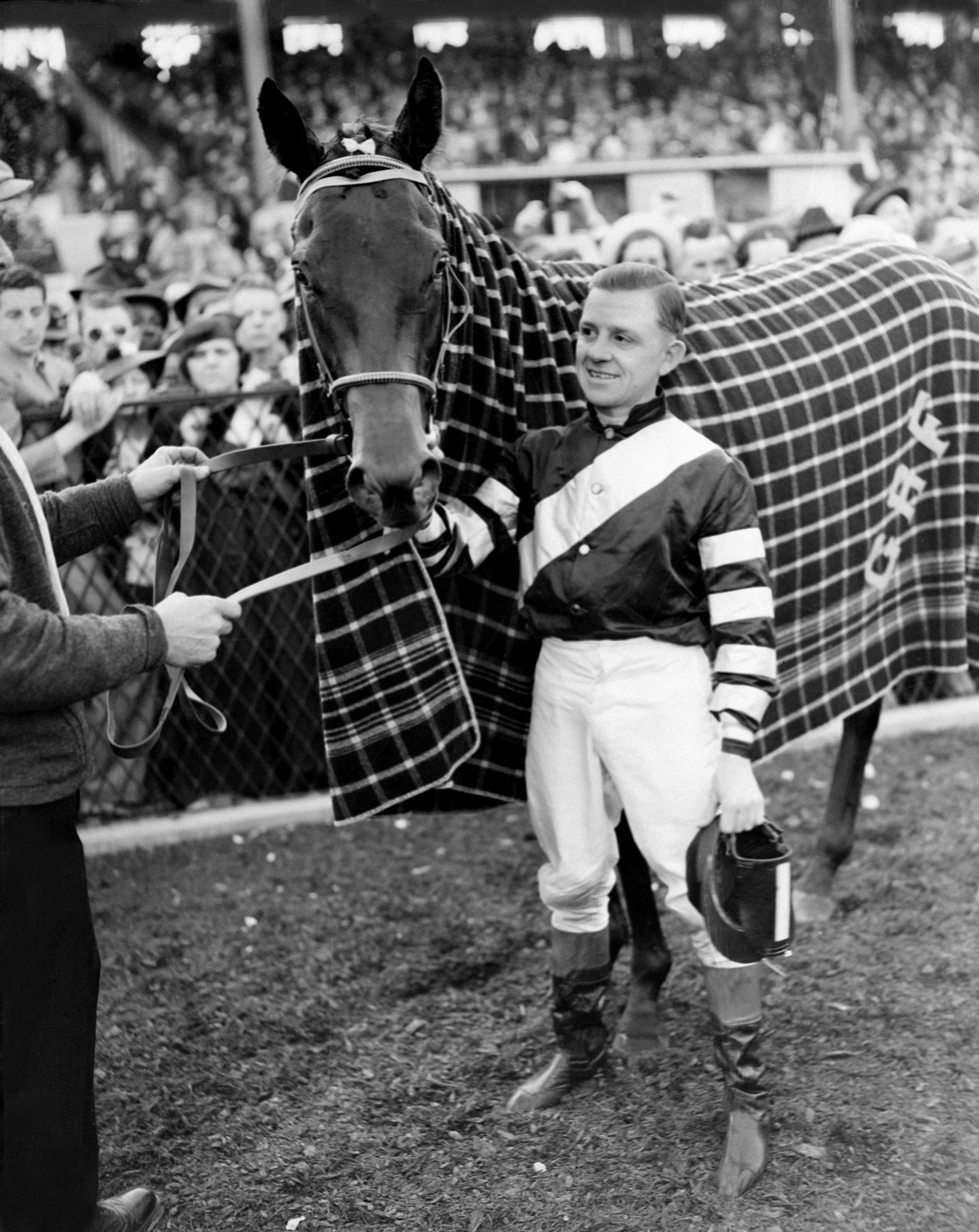
In the world of thoroughbred racing, where speed is king and fortunes are made in minutes, a quiet, patient approach can seem out of place. Yet, for decades, one name has stood as a testament to the profound power of understanding and perseverance: Ron McAnally. A legendary horse trainer and a Hall of Fame inductee, McAnally built a career not on force, but on a deep, abiding respect for the horse as an individual. His story is a masterclass in how a gentle hand and unwavering patience can unlock greatness where others see only difficulty.
At Equine Excellence, we believe in celebrating the philosophies that strengthen the bond between human and horse. The career of Ron McAnally offers a powerful lesson for every equestrian, reminding us that true mastery comes from listening to the horse and adapting to its unique needs. His journey from a challenging childhood to the pinnacle of horse racing is a powerful narrative of discipline, empathy, and unparalleled horsemanship.
The Forging of a Master Horseman
Born in Kentucky in 1932, Ron McAnally’s early life was marked by hardship. Following the death of his mother, he and his siblings were raised in an orphanage. It was here, he often recalled, that he learned the discipline and quiet observation that would define his career. This upbringing instilled in him a unique sensitivity to the overlooked and misunderstood, a quality that would later make him the go-to trainer for “problem” horses.
He began his journey in racing under the guidance of his uncle, trainer Reggie Cornell. Starting at the bottom, McAnally absorbed every lesson the track could offer. He earned his trainer’s license and secured his first win in 1958 at Hollywood Park. From the beginning, his methods were different. In an industry often characterized by rigid systems, McAnally developed a reputation for his willingness to experiment and tailor his approach to each animal. As he famously stated, “Horses are like children. They are all individuals.” This philosophy would become the cornerstone of his success.
The McAnally Philosophy: Patience and Perception
What truly set the Ron McAnally horse trainer method apart was its foundation in patience. He believed that horses, especially those with quirks or difficult temperaments, could not be forced into brilliance. They had to be understood. While other trainers might give up on a horse that was stubborn, quirky, or seemingly untalented, McAnally saw a puzzle to be solved.
“Sometimes a horse needs a little psychology,” McAnally once explained. He understood that a horse’s behavior was a form of communication. Instead of punishing a “mean” horse, he would seek the root of its anxiety or discomfort.
This approach was perhaps most evident in his work with horses that others had written off. He transformed the careers of Cassaleria, who raced competitively with only one eye, and Sea Cadet, who raced without a tail. Where others saw limitations, McAnally saw potential that simply required a different key to unlock. He famously advised against rushing horses back to the track, believing that adequate time to recover and build strength was essential for their best performance. Giving a horse three weeks between races, he argued, allowed them to “build themselves up, get their strength back, eat better, train and relax.”
A Legacy Forged in Champions
While McAnally trained numerous winners, his legacy is cemented by three extraordinary horses, all of whom were inducted into the Hall of Fame alongside their trainer. Each horse’s story is a perfect illustration of the McAnally philosophy in action.
John Henry: The People’s Champion
John Henry was an ill-tempered, modestly-bred gelding who had already been through several trainers by the time he arrived in McAnally’s barn at age four. He was known for being so ornery that he would stomp water buckets flat. Instead of meeting aggression with force, McAnally employed kindness, offering endless treats and a calm environment. He took the time to figure out what made the horse tick. Under McAnally’s care, John Henry transformed into one of the greatest turf horses in American history, winning two Horse of the Year titles and earning over $6.5 million, retiring as the sport’s all-time leading money winner.
The South American Sensations: Bayakoa and Paseana
McAnally also had a remarkable eye for international talent, particularly from South America. He trained two Argentine-bred fillies to spectacular success.
- Bayakoa: A fierce and competitive mare, she won back-to-back Breeders’ Cup Distaff races in 1989 and 1990 and was twice named Outstanding Older Female Horse.
- Paseana: Following in Bayakoa’s footsteps, she also won the Breeders’ Cup Distaff (1992) and earned the title of Outstanding Older Female Horse for two consecutive years.
Training three Hall of Fame horses is a rare feat that speaks volumes about McAnally’s ability to not just manage but elevate the elite equine athlete. His success was not a fluke; it was the consistent result of a deeply ingrained philosophy of care.
Why the McAnally Method Matters Today
In today’s fast-paced equestrian world, the lessons from Ron McAnally are more relevant than ever. His career serves as a vital reminder that shortcuts and “quick fixes” are no substitute for true horsemanship. Building a relationship based on trust, observation, and respect is the only sustainable path to success, whether in the racing world or any other discipline.
The principles that guided the Ron McAnally horse trainer legacy are universal:
- Treat every horse as an individual: Recognize their unique personality, fears, and strengths.
- Practice patience above all: True progress takes time. Rushing a horse leads to burnout and breakdown.
- Listen to what the horse is telling you: Behavior, good or bad, is communication.
- Kindness is not a weakness: A gentle approach can build the trust needed to overcome the greatest challenges.
These ideas form the very core of an ethical and effective partnership with horses. They are the principles we champion here at Equine Excellence, and they are the reason Ron McAnally’s name will forever be synonymous with the very best of the sport.
Frequently Asked Questions (FAQ)
Who was Ron McAnally’s most famous horse?
Without a doubt, his most famous horse was John Henry. A gelding with a difficult reputation, John Henry became a two-time Horse of the Year and a beloved national hero under McAnally’s patient guidance, retiring as the richest thoroughbred in history at the time.
What was Ron McAnally’s training philosophy?
His philosophy was centered on patience, individual attention, and kindness. He famously treated his horses like children, believing each had a unique personality and needs. He focused on building trust and understanding the horse’s psychology rather than using force.
How many Hall of Fame horses did Ron McAnally train?
Ron McAnally trained three horses that were inducted into the National Museum of Racing and Hall of Fame: John Henry, Bayakoa, and Paseana. McAnally himself was inducted in 1990.
What awards did Ron McAnally win?
He won the Eclipse Award for Outstanding Trainer three times (1981, 1991, 1992), a testament to his consistent excellence over more than a decade. He also received the prestigious Pincay Award for serving the sport with integrity and dedication.
Is Ron McAnally still training horses?
While he has significantly scaled back his operations, Ron McAnally continued to train horses well into his 90s, showcasing his lifelong love for the sport and the animals at its heart. His famous motto is, “If you love what you are doing, it is not a job.”
Conclusion: The Enduring Wisdom of a Master
The story of Ron McAnally is more than just a list of wins and accolades; it is a powerful narrative about the art of horsemanship. He proved that empathy and patience are not just virtues but are potent tools for achieving incredible success. For every rider, owner, and trainer striving for a better partnership with their horse, the career of the Ron McAnally horse trainer offers a clear and inspiring path forward. His legacy reminds us that by putting the horse first, we not only unlock their full potential but also elevate our own humanity in the process.
