
Embarking on the journey of dog training can feel like learning a new language, and in many ways, it is. One of the most crucial elements in effective dog training is the use of clear, consistent signals – and that’s where “marker words” come in. These aren’t just random sounds; they are precise verbal cues that tell your dog exactly when they’ve done something right. Think of them as a verbal bridge, connecting a specific behavior to a positive outcome, like a delicious treat or enthusiastic praise. Mastering the art of using marker words can revolutionize your training sessions, fostering a deeper understanding and a stronger bond with your furry friend. This guide will delve into what marker words are, why they are so effective, and how you can implement them seamlessly into your training routine.
The Science Behind the “Click” (or “Yes!”)
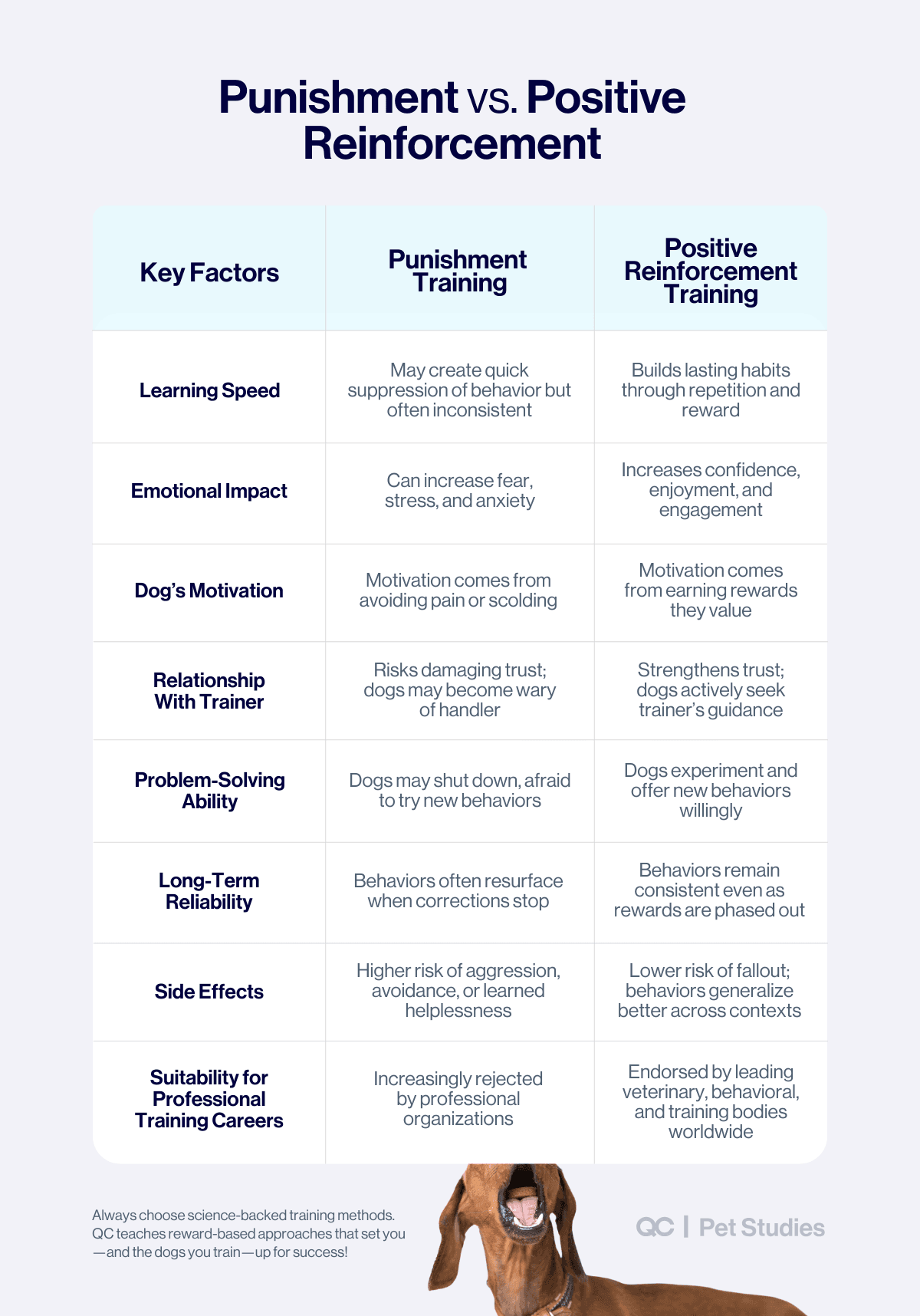
At its core, the effectiveness of marker words in dog training relies on the principles of operant conditioning, specifically positive reinforcement. When a dog performs a desired behavior, we want to mark that exact moment with a distinct signal. This signal, be it a word like “Yes!” or “Good!” or even a clicker sound, tells the dog, “THAT’S what I want!”
Why Marker Words Trump General Praise
While enthusiastic praise is wonderful, it can sometimes be too vague for a dog to understand precisely what they did correctly. Imagine your dog sitting, and you say, “Good boy, you’re so smart!” In that moment, was it the sitting? The looking at you? The stillness? Your dog might not connect the praise to the specific action.
This is where a marker word shines. When your dog sits, you say “Yes!” the instant their rear hits the ground. Then, you immediately follow up with a reward. The “Yes!” becomes a clear, unambiguous signal. Over time, your dog learns that the “Yes!” predicts a reward, and more importantly, it pinpoints the exact behavior that earned that reward. This precision is key to faster learning and clearer communication.
Consistency is Key
The power of a marker word is amplified by its consistency. This means using the same word every single time for marking a correct behavior. Whether you choose “Yes,” “Good,” “Nice,” or another short, distinct word, stick with it. Avoid using it randomly or in other contexts, as this can confuse your dog. Your chosen marker word should become a predictable signal that your dog can rely on to understand their progress.
Choosing Your Marker Word
The best marker word is one that is short, distinct, and easy for you to say quickly and consistently. Many trainers prefer “Yes” because it’s a common word that can be delivered with a positive inflection, and it’s easily distinguishable from other training cues. Other popular choices include “Good,” “Nice,” or “Ok.”
The “Clicker” Alternative
The clicker is another highly effective marker tool. It produces a distinct, consistent sound that dogs quickly learn to associate with a reward. Some trainers prefer clickers because the sound is unique and can’t be accidentally repeated in everyday conversation. However, a marker word is often more convenient, as you always have it with you. If you do choose to use a clicker, you’ll still need to “charge” it first by clicking and immediately rewarding your dog numerous times without asking for any behavior. This teaches them that the click predicts good things.
“Charging” Your Marker Word
Just like a clicker, your chosen marker word needs to be “charged” with meaning. This is a simple process:
- Say the word: Say your marker word (e.g., “Yes!”).
- Reward: Immediately after saying the word, give your dog a high-value treat.
- Repeat: Do this about 10-20 times in short sessions over a few days.
Your dog will quickly learn that hearing “Yes!” means a treat is coming. Once this association is made, your marker word is ready to be used in actual training. This process, known as dog training marker words, is fundamental.
Implementing Marker Words in Training
Once your marker word is charged, you can start using it to reinforce specific behaviors. The general rule is: Mark the exact moment the desired behavior occurs, then reward.
Basic Obedience Commands
Let’s take teaching a “sit” as an example:
- Lure the behavior: Hold a treat near your dog’s nose and move it up and slightly back over their head. As their head follows the treat, their rear end will naturally lower.
- Mark the instant: The moment their rear touches the ground, say your marker word (“Yes!”).
- Reward: Immediately give them the treat.
- Repeat: Practice this several times.
The “Yes!” tells your dog precisely what action earned the reward – sitting. This makes the learning process much clearer and faster than just giving a treat after they sit.
Shaping Complex Behaviors
Marker words are also invaluable for shaping more complex behaviors, where you reward successive approximations of the final goal. For instance, if you’re teaching your dog to go to their mat:
- First, you might mark and reward them for looking at the mat.
- Then, for taking one step towards it.
- Then, for placing a paw on it.
- Eventually, for lying down on it.
Each small step is marked and rewarded, guiding your dog gradually towards the complete behavior. This approach is a cornerstone of higher education dog training methodologies.
Addressing Problem Behaviors
Marker words can even be used to discourage unwanted behaviors by marking the absence of that behavior or the presence of an alternative. For example, if your dog jumps up on guests:
Instead of punishing the jumping, you can teach an alternative behavior, like sitting. When guests arrive, and your dog starts to jump, ignore them. The moment they offer a sit, even for a second, mark it with “Yes!” and reward them. This teaches them that sitting is more rewarding than jumping. This aligns with strategies for how to keep your dog from jumping up on people.
Common Pitfalls to Avoid
While marker words are incredibly effective, there are a few common mistakes that can hinder your training progress:
- Marker Word Misuse: Saying “Yes!” when the dog does something wrong, or using it randomly. This dilutes its meaning.
- Delayed Marking: Marking the behavior a second or two too late. The dog might associate the marker with whatever they are doing after the desired behavior.
- No Reward: Failing to follow the marker word with a reward. The marker word is a promise of a reward; breaking that promise is detrimental.
- Overuse: Using the marker word for every single action, even when not strictly necessary. This can lead to the marker losing its impact. Remember, it’s for marking specific desired behaviors.
- Inconsistency: Using different marker words or having multiple family members use different words. Stick to one word for all handlers.
Advanced Techniques and Considerations
As you and your dog become more proficient, you can introduce variations and advanced uses of marker words.
Varying Rewards
While treats are excellent motivators, dogs also value praise, toys, or life rewards (like being allowed to go outside). You can use your marker word to signal different types of rewards. For example, a sharp “Yes!” might mean a treat, while a softer, drawn-out “Yeees!” could indicate praise and a pet. This adds another layer of nuance to your communication.
Using Markers for Duration and Distance
Marker words are perfect for reinforcing duration and distance in behaviors.
- Duration: If your dog is holding a sit, you can mark and reward them at increasing intervals – say, after 5 seconds, then 10, then 20.
- Distance: If you’re working on a recall, you can mark and reward your dog at different distances as they approach you.
Handling Mistakes and Setbacks
It’s important to remember that training isn’t always linear. There will be days when your dog seems to forget everything. If your dog doesn’t perform the desired behavior, simply don’t use the marker word. Avoid punishing them; instead, reassess the situation. Are the distractions too high? Is the reward value not high enough? Perhaps you’re asking for too much too soon.
For instance, if you’re practicing recalls and your dog doesn’t come, don’t say “Yes!”. Instead, try moving closer or making yourself more exciting. This is where understanding training dog with e collar principles might be useful for some, but basic positive reinforcement with clear markers is often sufficient and preferred. For everyday issues like how to stop dog jumping at visitors, consistent marking of the desired alternative behavior is key.
Conclusion: The Power of Precision in Dog Communication
Marker words are a simple yet incredibly powerful tool in the dog owner’s arsenal. They provide clarity, speed up learning, and strengthen the communication bridge between you and your canine companion. By consistently using a charged marker word, you offer your dog precise feedback, reinforcing their successes and guiding them towards becoming well-behaved and happy members of your family. Whether you’re teaching basic obedience or tackling complex behaviors, the humble “Yes!” or “Good!” can transform your training experience, making it more rewarding and effective for both of you. Embrace the power of precision, and watch your relationship with your dog flourish.
