
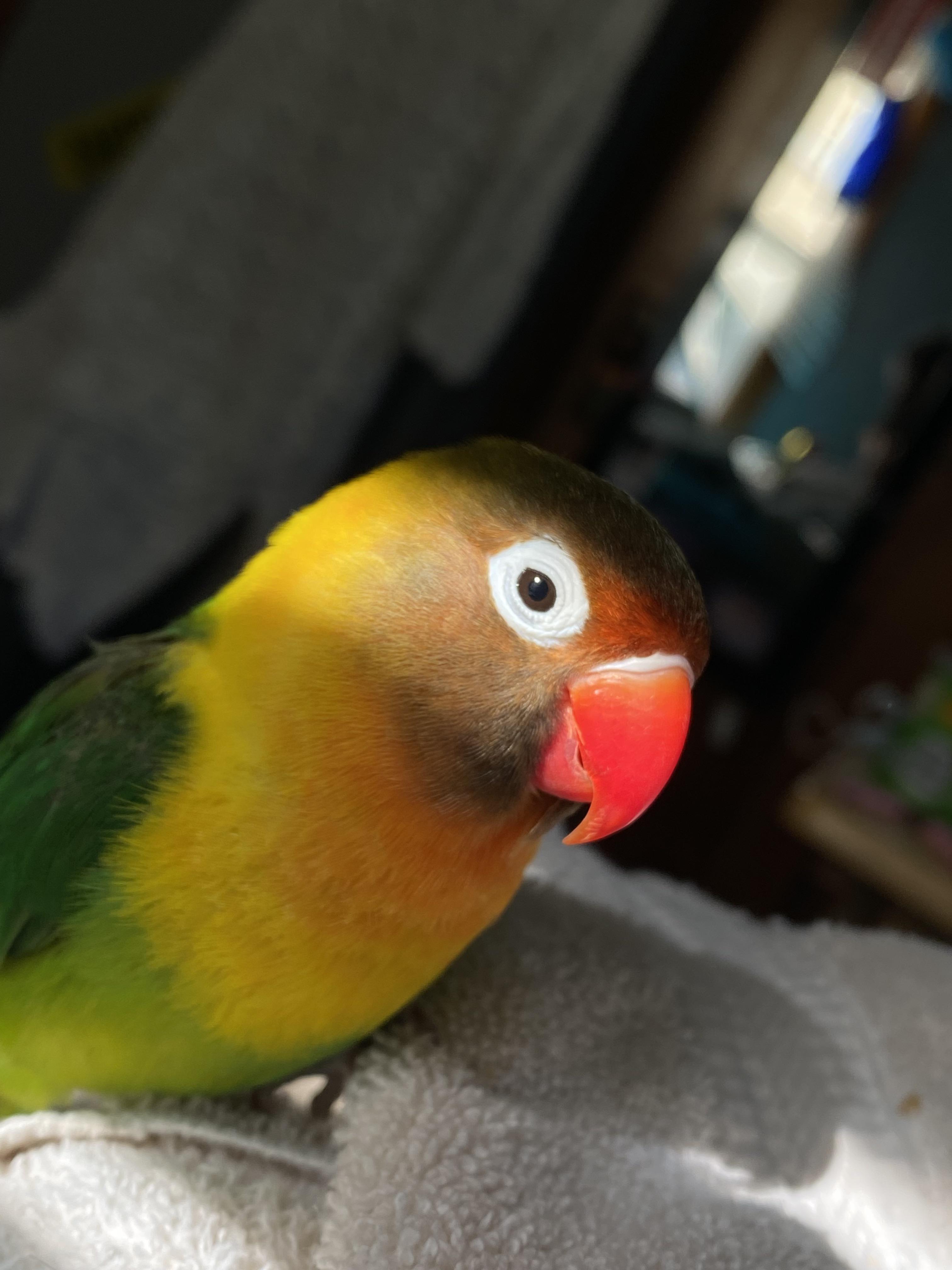
Bringing a new bird into your home is an exciting experience, but it’s crucial to understand that not all birds naturally get along, even within the same species. Lovebirds, despite their affectionate name, can exhibit significant aggression. This guide, based on expert advice, will help you navigate the complexities of lovebird behavior, ensuring a harmonious environment for your feathered companions.
Lovebirds’ behavior can be unpredictable, and their aggression is often misunderstood. It’s a common misconception that they always live up to their name. In reality, both males and females can display territorial and aggressive tendencies, though females are often noted as being more so. Understanding these nuances is the first step in preventing conflicts and ensuring the well-being of your birds.
Species and Color Mutation Differences
A critical factor in lovebird compatibility is their species and even color mutations. For instance, a Peach-faced lovebird may exhibit bullying behavior towards a Fischer’s lovebird, potentially leading to severe injury or even death. Furthermore, within the same species, different color mutations can correlate with variations in temperament. A normally colored green Peach-faced lovebird might be considerably louder and more aggressive than a lutino or Dutch blue mutation. If you are unsure about your birds’ species or color variations, consulting with an avian veterinarian or experienced breeder can provide clarity.
Age and Breeding Readiness
The age of your lovebirds plays a significant role in their social dynamics. Birds younger than two years, especially if they are a male and female pair, may not be ready for cohabitation. Even if you have no intention of breeding them, they may still form a bond and attempt to mate, with the female potentially laying eggs prematurely. If one bird is older than the other, this age difference can exacerbate aggression, particularly if the older bird (often the female) is seeking a mate and the younger bird is not yet ready. In such cases, separation is strongly advised to de-escalate the situation.
Introducing New Birds: A Gradual Approach
Introducing a new bird to an existing flock requires patience and a systematic approach to minimize stress and prevent conflict.
Quarantine Period
Initially, any new bird should be quarantined in a separate room for a minimum of 45 days. This crucial step helps prevent the spread of potential diseases to your established birds.
Cages Side-by-Side
After the quarantine period, place the birds’ cages side-by-side. This allows them to observe and become accustomed to each other’s presence from a safe distance. If they show mutual interest and spend time near each other’s cages, it’s a positive sign.
Supervised Introduction
The next step involves introducing them in a neutral cage. This third, unfamiliar environment is often less fraught with territorial disputes than one of the birds’ existing cages. If a third cage is not available, it is generally safer to place the female into the male’s cage, as a female is more likely to exhibit territorial aggression if her space is invaded.
Observation and Separation
Constant observation is key during and after the introduction. If the female continues to bully or intimidate the male, it may indicate incompatibility. In such scenarios, separation is the best course of action, and it might be wise not to attempt reintroduction. Birds, like many animals, have a natural tendency to choose their own mates, and sometimes the pairs we select for them may not be compatible. Understanding the behaviour of parrots can be helpful in recognizing these subtle social cues.
Conclusion
Managing lovebird aggression requires vigilance, understanding, and a willingness to adapt your approach. By carefully considering species, age, and implementing a gradual introduction process, you can foster a safer and more harmonious environment for your lovebirds. Always prioritize observation and be prepared to separate birds if persistent aggression is observed, ensuring their long-term well-being and happiness.
