
Has your feline friend suddenly become incredibly talkative, meowing incessantly even when they’re alone? While cats use vocalizations to communicate, a sudden increase in meowing can be concerning. Understanding the reasons behind this behavior is key to addressing your cat’s needs and ensuring their well-being. This guide explores the various causes of excessive meowing and when to seek veterinary attention.
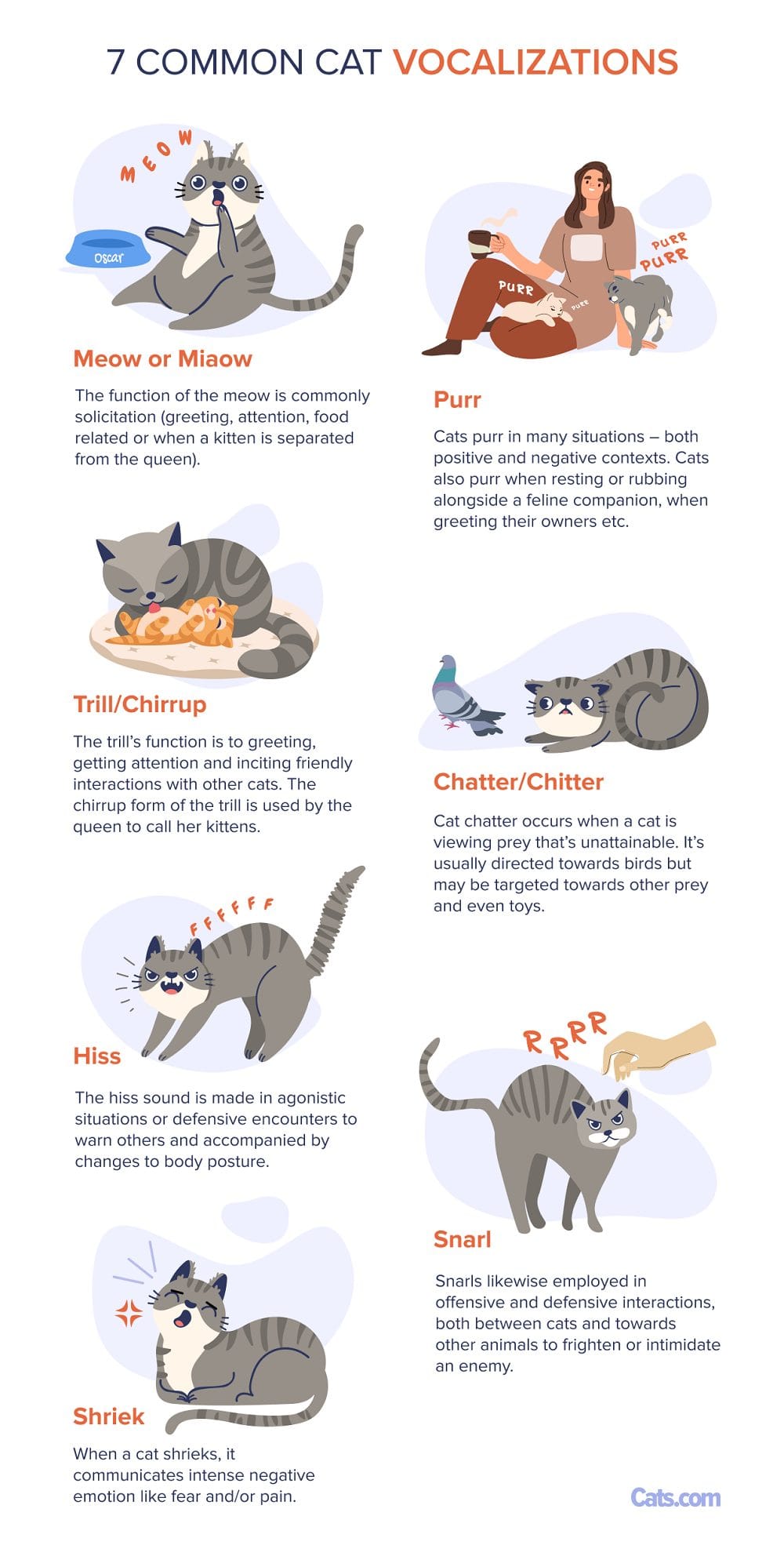
Cats primarily meow to get human attention. They quickly learn that this vocalization is an effective way to engage their owners and communicate their desires. This behavior can extend to interactions with other animals as well. Meowing is a fundamental aspect of feline communication, serving numerous purposes.
Common Reasons for Excessive Cat Meowing
If your cat’s meowing has increased significantly, a little investigation can often reveal the underlying cause. Here are some common reasons:
- Pain or Discomfort: Cats experiencing pain or discomfort may become restless and vocalize frequently. Sharp, piercing cries can indicate significant pain.
- Urinary Issues: While some cats announce litter box usage, others may meow in or around the box if they experience discomfort during urination or defecation, signaling a potential urinary tract problem.
- Kidney Disease: Though not the most frequent cause, kidney disease can lead to increased restlessness and vocalization in cats. Other symptoms may include decreased appetite and increased thirst and urination.
- Hyperthyroidism: This condition, common in senior cats, can make them overly active and vocal. Hypertension (high blood pressure) can also be a secondary effect, leading to increased meowing.
- Hypertension: High blood pressure in cats can manifest as more frequent and incessant meowing.
- Feline Cognitive Dysfunction: Similar to Alzheimer’s in humans, this age-related syndrome can cause behavioral changes, including persistent and excessive meowing.
- Sensory Loss (Deafness or Blindness): Cats losing their hearing or sight may become more vocal as they rely on other senses. Deaf or blind cats might meow loudly and repeatedly.
- Hunger: A hungry cat will meow to get your attention, often leading you towards their food bowl or storage area.
- Thirst or Dirty Water Bowl: A cat may meow to signal thirst or to alert you that their water bowl needs cleaning.
- Loneliness or Boredom: While less common than in dogs, some cats may meow due to loneliness or boredom, seeking attention and interaction.
- Stress or Fear: Cats experiencing stress or fear, such as during a car ride to the vet, often meow excessively, sometimes accompanied by hissing.
- Breed Tendencies: Certain cat breeds are naturally more vocal. These include Siamese, Bengals, Sphynx, and Tonkinese cats, as well as mixed breeds with these lineages.
- Mating Behavior: Unspayed female cats in heat and unneutered male cats seeking a mate can be extremely vocal, often emitting loud yowls or screams.
- Attention Seeking: Meowing is a learned behavior that cats use to gain attention, often as a greeting or to solicit a response.
- Learned Behavior: Owners can inadvertently reinforce meowing by consistently giving their cat what they want when they meow, thus creating a learned response.
- Dirty Litter Box: Cats may meow to signal their displeasure with a dirty litter box, preferring a clean environment for elimination.
- Desire to Play: Young cats, in particular, may present a toy with a meow, inviting their owner to engage in playtime.
Why Does My Cat Meow at Night?
Cats are crepuscular, meaning they are most active during dawn and dusk. This natural cycle can lead to nighttime vocalizations if they are bored, frustrated, or seeking something like food or attention. It’s important not to reward nighttime meowing by giving your cat what they want (unless it’s an emergency), as this reinforces the behavior. Health issues like hypertension, hyperthyroidism, and cognitive dysfunction can also contribute to increased nighttime vocalization.
Why Is My Kitten Meowing So Much?
Kittens are naturally more vocal than adult cats as they develop their communication skills. Their meows usually signify a need for food, attention, or playtime. A distressed kitten may also vocalize more. If a kitten’s excessive meowing isn’t soothed by basic needs being met, a veterinary check-up is advisable to rule out pain or illness.
Why Is My Cat Always Hungry and Meowing?
Persistent hunger and meowing for food, especially if accompanied by weight loss, could indicate a medical condition such as hyperthyroidism, hypertension, diabetes, or kidney disease. Middle-aged or older cats exhibiting these signs should be examined by a veterinarian.
Why Is My Cat Meowing Differently?
A hoarse or different-sounding meow can be a sign of an upper respiratory infection, similar to a sore throat in humans. Other causes include laryngitis due to an inflamed larynx, laryngeal paralysis, or tumors. Any change in your cat’s vocal tone warrants a veterinary examination to determine the underlying cause.
Why Is My Male Cat Meowing Loudly?
Unneutered male cats often meow or yowl loudly when seeking a mate. This behavior typically subsides after neutering. Similarly, while less common, females may yowl when in heat. Spaying or neutering can significantly reduce or eliminate this type of vocalization.
What to Do If Your Cat Won’t Stop Meowing
If your cat’s meowing is excessive, first identify the potential cause by checking their needs:
- Ensure Basic Needs are Met: Confirm your cat has adequate food, fresh water, a clean litter box, opportunities for exercise, and attention. Consider a water fountain to keep water fresher.
- Rule Out Stress and Pain: Sudden behavioral changes, including excessive meowing, warrant a veterinary visit to rule out underlying pain or stress.
- Do Not Reward the Behavior: If you’re certain all needs are met and the meowing is for attention, do not reward it. Ignore the behavior until your cat is quiet. Avoid scolding or punishing your cat, as this can damage your bond and create fear.
If your cat’s meow changes in tone or frequency, or if other symptoms like appetite changes, weight loss, or altered behavior are present, schedule a vet appointment promptly.
Key Questions to Ask About Your Cat’s Meowing
Consider these questions to help pinpoint the reason for your cat’s vocalizations:
- Timing: When does the meowing occur? Are there specific triggers, like your return home or nighttime?
- Location: Is the meowing associated with a particular place, such as the litter box, a toy, or the door?
- Spay/Neuter Status: Has your cat been spayed or neutered? Hormonal influences can increase vocalization.
- Breed: Is your cat a naturally vocal breed?
- Litter Box Cleanliness: Is the litter box clean and accessible?
- Food and Water: Does your cat have access to sufficient food and fresh water? Note that cats may perceive a bowl as “empty” if they can see the bottom.
- Playfulness: Does your cat seem to want to play, perhaps bringing you toys?
When to See a Veterinarian for Cat Meowing
Seek veterinary attention if:
- Your unneutered male cat is meowing and straining to urinate, which could indicate a life-threatening urinary blockage.
- Your cat appears to be in distress or pain, or is exhibiting open-mouth panting while meowing.
- You notice additional symptoms such as weight loss, changes in appetite, attitude, or urination patterns.
If you cannot identify a clear cause for your cat’s excessive meowing or a change in their meow, consult your veterinarian. Trust your instincts if you feel something is wrong.
How a Vet Diagnoses Constant Meowing
Veterinarians will typically ask detailed questions about your cat’s behavior and conduct a thorough physical examination. They will compare current health data with previous records. Diagnostic tests such as blood work and urinalysis may be recommended to identify medical causes.
If a behavioral issue is suspected, the vet may still perform lab work to ensure the safest treatment options. Diagnosis can lead to treatment plans involving calming pheromones, supplements, medication, behavior modification, and increased environmental enrichment.
References
- PetMD. (n.d.). Cat Noises. Retrieved from https://www.petmd.com/cat/general-health/cat-noises
- PetMD. (n.d.). How to Tell if Your Cat is in Pain. Retrieved from https://www.petmd.com/cat/symptoms/how-tell-if-cat-pain
- PetMD. (n.d.). Cat Urinary Tract Infections. Retrieved from https://www.petmd.com/cat/conditions/urinary/urinary-tract-infections-cats
- PetMD. (n.d.). Kidney Disease in Cats. Retrieved from https://www.petmd.com/cat/conditions/urinary/kidney-disease-cats
- PetMD. (n.d.). Hyperthyroidism in Cats. Retrieved from https://www.petmd.com/cat/conditions/endocrine/c_ct_hyperthyroidism
- PetMD. (n.d.). Systemic Hypertension in Cats. Retrieved from https://www.petmd.com/cat/conditions/cardiovascular/c_ct_systemic_hypertension
- PetMD. (n.d.). Feline Cognitive Dysfunction Syndrome. Retrieved from https://www.petmd.com/cat/conditions/neurological/c_ct_cognitive_dysfunction_syndrome
- PetMD. (n.d.). Deafness in Cats. Retrieved from https://www.petmd.com/cat/conditions/ears/deafness-cats-causes-symptoms-and-how-help-your-cat
- PetMD. (n.d.). Fear, Phobias, and Anxiety in Cats. Retrieved from https://www.petmd.com/cat/conditions/behavioral/c_ct_fear_phobia_anxiety
- PetMD. (n.d.). Cat Breeds. Retrieved from https://www.petmd.com/cat/breeds
- PetMD. (n.d.). Cat in Heat. Retrieved from https://www.petmd.com/cat/general-health/cat-in-heat
- PetMD. (n.d.). Reasons Your Cat is Peeing Outside the Litter Box. Retrieved from https://www.petmd.com/cat/behavior/reasons-your-cat-peeing-outside-litter-box
- PetMD. (n.d.). Are Cats Nocturnal?. Retrieved from https://www.petmd.com/cat/general-health/are-cats-nocturnal
- PetMD. (n.d.). Cat Losing Weight. Retrieved from https://www.petmd.com/cat/symptoms/cat-losing-weight
- PetMD. (n.d.). Upper Respiratory Infection in Cats. Retrieved from https://www.petmd.com/cat/conditions/respiratory/upper-respiratory-infection-cats
- PetMD. (n.d.). Neutering Cats. Retrieved from https://www.petmd.com/cat/general-health/neutering-cats-101
- PetMD. (n.d.). How to Bond With Your Cat. Retrieved from https://www.petmd.com/cat/behavior/how-to-bond-with-your-cat
- PetMD. (n.d.). Urinary Tract Blockage in Cats. Retrieved from https://www.petmd.com/cat/conditions/urinary/urinary-tract-blockage-cats
- PetMD. (n.d.). Cat Panting. Retrieved from https://www.petmd.com/cat/symptoms/cat-panting-why-it-happens-and-what-do-about-it
- PetMD. (n.d.). Blood Work for Dogs and Cats. Retrieved from https://www.petmd.com/dog/procedure/blood-work-for-dogs-and-cats
- PetMD. (n.d.). Cat Behavior. Retrieved from https://www.petmd.com/cat/behavior/cat-meowing
