
Bringing a new male cat into your home is an exciting experience, and one of the most important decisions you’ll make regarding his health and behavior is whether to have him neutered. Neutering, also known as castration, is a routine surgical procedure that offers numerous benefits for your feline companion and contributes to controlling the pet overpopulation crisis. This guide will delve into why neutering is crucial, the advantages it brings, the ideal timing, and what to expect during the recovery process.
Understanding Neutering and Its Importance
Neutering involves the surgical removal of a male cat’s testicles. This procedure not only prevents unwanted litters but also plays a significant role in preventing serious health issues and curbing undesirable behaviors common in unneutered male cats. According to the ASPCA, approximately 3.2 million cats enter US animal shelters annually, highlighting the critical need for responsible pet ownership, including spaying and neutering.
Key Benefits of Neutering Your Male Cat
Population Control
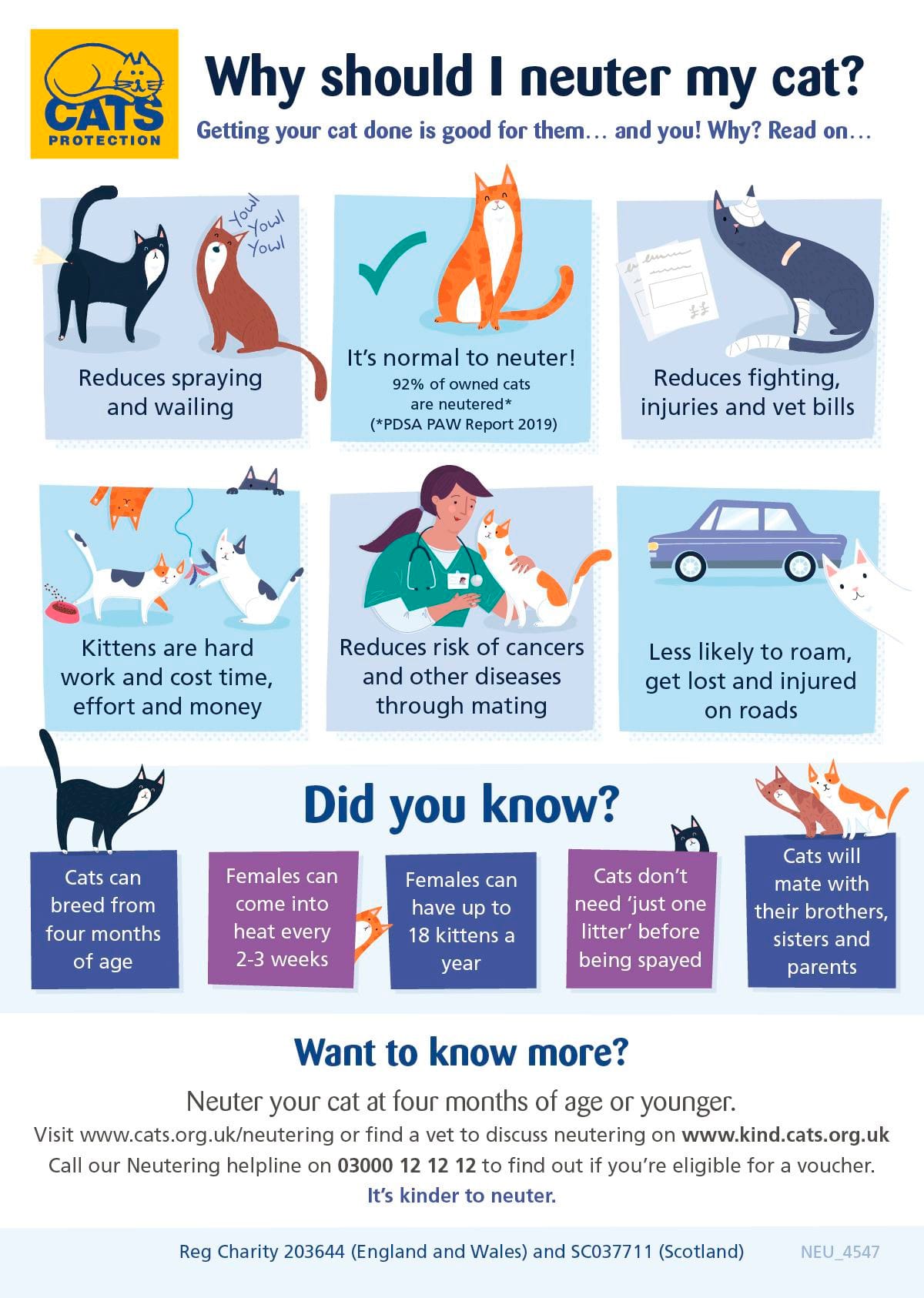
One unneutered male cat can contribute to a significant number of unwanted kittens. By neutering your male cat, you are actively participating in the solution to reduce the number of homeless cats in shelters.
Health Advantages
Neutering can significantly reduce aggression in male cats, leading to fewer fights with other animals. This decreased fighting reduces the risk of transmitting serious feline diseases like Feline Immunodeficiency Virus (FIV) and Feline Leukemia Virus (FeLV), which are often spread through bite wounds. Additionally, neutered males are less likely to roam, decreasing their risk of traffic-related injuries.
Behavioral Modifications
Unneutered male cats often exhibit territorial behaviors such as spraying urine inside the home to mark their territory. They can also display aggressive tendencies towards owners and other cats. Neutering, especially when performed at a young age, can prevent these behaviors from developing. Roaming in search of mates is also a common trait of unneutered males, leading to spraying, fighting, and potential injury.
When is the Right Time to Neuter?
The optimal age for neutering can vary, and it’s best to consult with your veterinarian for personalized advice. Typically, kittens can be safely neutered around four months of age. However, adult cats can also undergo the procedure with excellent results.
Post-Neutering Recovery: What to Expect
After surgery, your cat’s recovery is paramount. Following your veterinarian’s post-operative instructions carefully will ensure a smooth healing process.
Incision Site Care
Preventing your cat from licking or chewing at the incision site is crucial. Your vet may provide an Elizabethan collar (e-collar) or a surgical recovery suit to deter your cat from accessing the area. Check the incision daily for any signs of redness, oozing, or excessive swelling. Some mild swelling, giving the appearance of intact testicles, is normal and should subside over time. If you notice any signs of infection, contact your vet immediately.
Sutures and Healing
Most cats have internal, absorbable sutures, with the outer skin layers closed using surgical glue. Avoid applying any ointments or washing the surgical site. If your cat has external sutures or staples, they will need to be removed by your vet after the recovery period, typically within 10-14 days.
Activity and Confinement
It is essential to limit your cat’s activity for approximately 14 days following the surgery. Strenuous activity, such as running, jumping, or playing, can cause the wound to open and potentially lead to infection. Therefore, keep your cat in a calm, safe environment during this period. Baths should also be avoided until cleared by your veterinarian.
Feeding Adjustments
General anesthesia is used during the neutering procedure, which can leave your cat feeling nauseous and lethargic afterward. Expect your cat’s appetite to return gradually within 24 hours. It’s advisable to offer smaller portions of food initially. If your cat remains lethargic, or if vomiting or diarrhea occurs after 24 hours, contact your veterinarian.
Recognizing Potential Complications
While neutering is a common and generally safe veterinary surgery, complications can rarely occur. A minor redness at the incision site is normal, but if it worsens or shows no signs of healing, seek veterinary attention promptly. Other symptoms that may indicate a problem include persistent lethargy, vomiting, diarrhea, or significant changes in the incision site.
References:
- American Society for the Prevention of Cruelty to Animals (ASPCA)
