
For many pet parents, having their dog eliminate outdoors is a matter of convenience and hygiene. Housebreaking your canine companion as soon as possible is a logical step towards a more comfortable shared living environment. However, some owners find themselves struggling to teach their dogs to poop outside, leading to frustration and indoor accidents. This guide aims to provide expert tips for potty training even the most stubborn pets, focusing on understanding the underlying reasons for refusal and implementing effective strategies.
Understanding Why Dogs Refuse to Poop Outdoors
Before diving into solutions, it’s crucial to understand the common reasons behind a dog’s reluctance to poop outside. These can range from behavioral and psychological issues to medical conditions or even unintentional owner errors, such as inconsistent schedules or insufficient potty breaks. Identifying the root cause is the first step toward successful house training.
1. Anxiety and Fear
While eliminating is a natural bodily function, the outdoor environment can be a source of anxiety for some dogs, particularly those that are hypersensitive or prone to fear. Loud noises from traffic, other animals, or people can be overwhelming, making them hesitant to relax and relieve themselves outdoors.
2. Lack of Positive Association
Effective dog training relies heavily on positive reinforcement. If the initial house training was not conducted correctly, or if the dog has had negative experiences outdoors (like being frightened), they may lack the motivation to poop outside. This can create a significant obstacle in the housetraining process.
3. Unfamiliarity with Outdoor Surfaces and Weather
This is particularly common in smaller breeds that were initially trained to use potty pads indoors, or dogs that have spent their entire puppyhood inside. The transition to outdoor surfaces, new smells, and potential distractions can be jarring. Furthermore, extreme weather conditions—be it too hot, too cold, stormy, or windy—can make outdoor potty breaks uncomfortable. Consequently, they may perceive the indoors as a safer and more comfortable place for elimination.
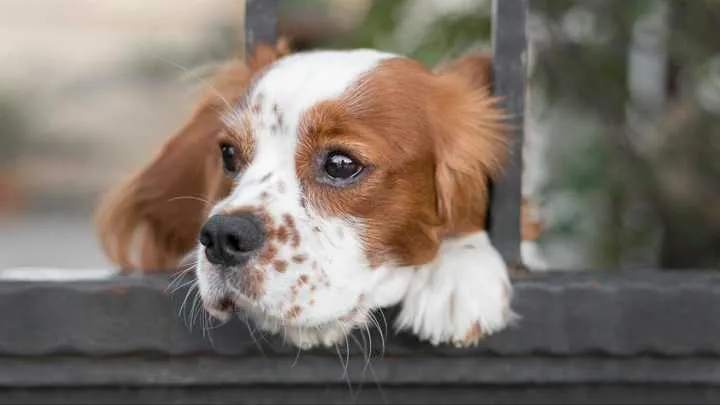 A dog looking hesitant to go outside for potty.
4. Underlying Health Issues
Health problems can significantly impact a dog’s willingness to eliminate outdoors, especially in older pets. Cognitive decline can lead to forgetfulness of previously mastered behaviors like waiting for outdoor potty breaks. Other issues such as arthritis, constipation, diarrhea, or any abdominal pain can make defecation a distressing experience, causing the dog to avoid it.
5. Distractions and Overstimulation
For some dogs, the multitude of sights and sounds outdoors can be overstimulating. They may become easily distracted by new smells and sights, leading them to explore or sniff around the potty spot instead of focusing on their bodily functions. This can make it difficult for them to concentrate and complete the act of elimination.
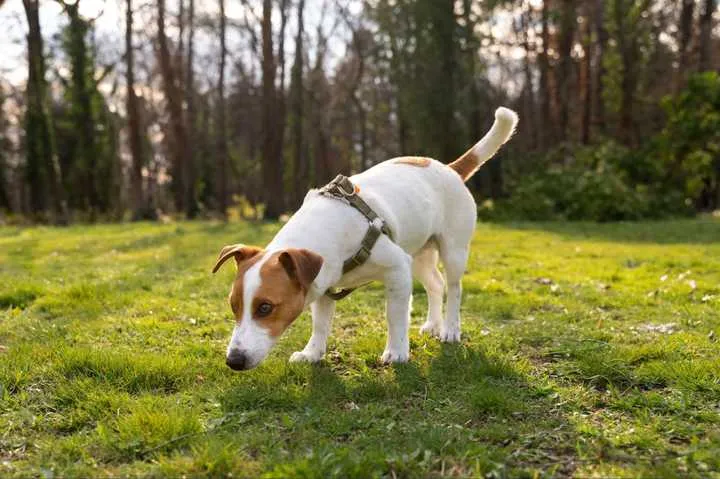 A dog looking around outdoors, distracted from the task of pooping.
7 Practical Tips to Encourage Your Dog to Poop Outside
Successfully transitioning your dog to outdoor potty habits requires patience, consistency, and understanding. Here are seven practical tips to help you achieve your goal:
1. Optimize Their Feeding Schedule
Dogs typically need to eliminate about 30 minutes after a meal. By understanding your dog’s feeding schedule, you can better predict when they’ll need to go and adjust potty breaks accordingly. Puppies generally require at least three meals a day, necessitating more frequent outdoor trips, while adult dogs usually do well with two meals.
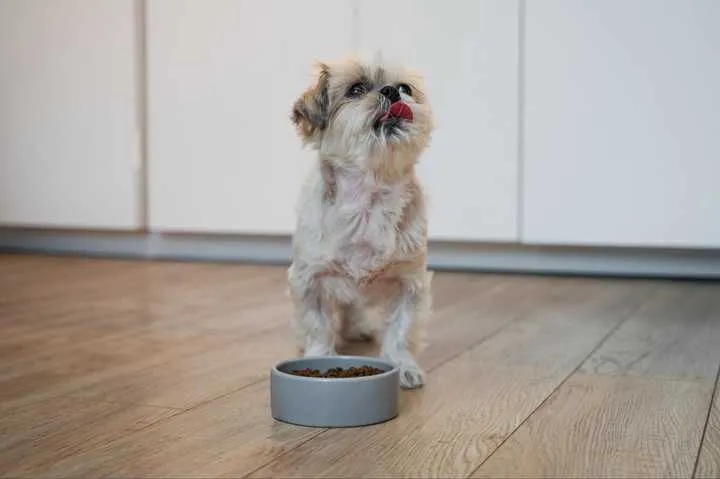 Owner observing a dog during an outdoor potty break.
2. Establish a Consistent Routine
Predictability is paramount in potty training. A regular schedule for feeding and outdoor breaks helps your dog understand expectations. Consistent walking times ensure your pup knows when to anticipate outdoor excursions for potty purposes. Learn more about the frequency of potty breaks.
3. Recognize Elimination Signals
While a routine is helpful, be attuned to your dog’s specific body cues that indicate they need to go. These signs can include circling, restlessness, sniffing intently, whining, barking, or heading towards the door. Recognizing these signals allows you to promptly guide them outside.
4. Utilize Positive Reinforcement and Rewards
A lack of motivation can be a significant hurdle. Using positive reinforcement, such as verbal praise with a consistent cue word and offering high-value treats immediately after they successfully eliminate outdoors, can create a strong positive association with outdoor potty breaks. Effective house training relies on rewarding desired behavior.
Be mindful that overly exciting treats might distract some dogs. If this happens, consider using a slightly less stimulating reward.
Karen Piwinski, Dog Trainer
5. Implement Crate Training
Leverage your dog’s natural instinct to keep their den clean. Crate training, when introduced correctly and with an appropriately sized crate, encourages dogs to hold their bladder and bowels. This method provides better control over elimination times, allowing you to schedule more frequent opportunities for outdoor potty breaks. Training a puppy to poop outside becomes more manageable with this technique.
6. Thoroughly Clean Indoor Accidents
Dogs have a superior sense of smell, and residual odors from indoor accidents can signal to them that the area is an acceptable potty spot. It’s crucial to clean accidents immediately and thoroughly using an enzymatic cleaner specifically designed to eliminate pet odors. For carpets, a carpet shampooer can be very effective.
 A close-up of cleaning a spot on the carpet.
7. Consistency is Crucial
Inconsistency in your approach can undermine all your training efforts. Providing mixed signals about when and how often potty breaks occur can confuse your dog. Stick to your established feeding and walking routines, use consistent praise and rewards, and maintain patience throughout the process.
Conclusion
Mastering outdoor potty habits is a fundamental aspect of comfortable cohabitation with your dog. While accidents are a normal part of the learning process, a consistent and patient approach, tailored to your dog’s individual needs and behaviors, can lead to success. By understanding the reasons behind reluctance and implementing these practical tips, you can help your dog grasp the concept of outdoor bathroom breaks, making life more enjoyable for both of you.
Related Posts
 A dog's rear end as it pees outside.#### [6 Tips How to Train a Dog to Pee Outside](/blog/how-to-train-dog-to-pee-outside/)
 A puppy being trained to pee outside by its owner.#### [How to Potty Train a Puppy or Dog: 6 Main Steps](/blog/how-to-potty-train-a-puppy/)
 A dog looking up with ears perked, appearing slightly anxious.#### [Why Do Dogs Pee When Scared](/blog/submissive-urination-in-dogs/)
