
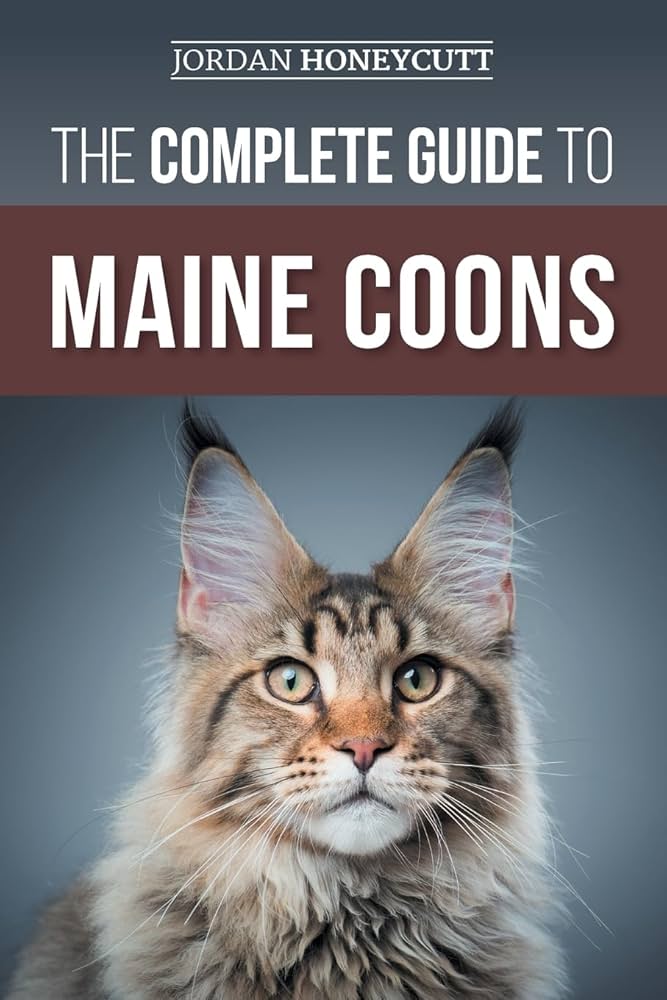
The Maine Coon, a breed as majestic as its name suggests, is known for its impressive size and gentle nature. Originating from the state of Maine, where it holds the title of the official state cat, this breed is renowned for its hardiness, perfectly suited to enduring harsh winters. There’s even a whimsical theory that they might be distantly related to the feline companions of Marie Antoinette. Regardless of their mysterious origins, Maine Coons are undeniably a breed with a presence.
Maine Coons are far from being small lap cats. Adult males can reach an impressive weight of up to 25 pounds, while their female counterparts, though slightly smaller, typically weigh between 10 and 14 pounds. Despite their formidable size, these gentle giants possess personalities as soft and fluffy as their luxurious coats. Their large, lovable personalities and almost dog-like quirks have cemented their status as one of the most popular domestic cat breeds across the United States. They are distinguished by their longer bodies, larger heads, and significantly bigger paws compared to most other cat breeds. It’s fascinating to note that their large, furry paws act much like snowshoes, providing excellent stability on slippery surfaces. Furthermore, many Maine Coons exhibit polydactyly, meaning they possess extra toes on each paw, further enhancing their stability. This breed also displays several dog-like mannerisms, including a notable fondness for water and a tendency to engage in games of fetch. Overall, Maine Coons are a laid-back and affectionate breed that thrives on spending quality time with their families.
Understanding Maine Coon Health Concerns
The typical lifespan for a Maine Coon is around 13 years, which is on the shorter side of the average feline life expectancy. Due to their predisposition to certain hereditary diseases, it is highly recommended to consider purchasing health insurance when bringing a Maine Coon kitten into your home.
Hypertrophic Cardiomyopathy (HCM)
Hypertrophic cardiomyopathy (HCM) is the most prevalent form of heart disease found in cats. In the initial stages, many cats may not exhibit any discernible symptoms. However, as the disease progresses, it can lead to heart failure, presenting symptoms such as difficulty breathing, coughing, and lethargy. Fortunately, several proactive measures can be taken:
- At-home feline DNA tests: HCM presents differently across breeds due to genetic variations. Maine Coons can carry mutations in specific genes that predispose them to this condition. At-home DNA testing kits may offer the capability to screen for these mutations before clinical signs become apparent.
- Preventative care: The cornerstone of preventive medicine for Maine Coons involves annual echocardiograms (heart ultrasounds). It is also advisable to inquire with the breeder about any history of HCM within the cat’s lineage.
Spinal Muscular Atrophy (SMA)
Spinal muscular atrophy (SMA) is a neurological condition that impacts a cat’s physical capabilities but does not affect their cognitive functions. Kittens diagnosed with SMA typically begin showing symptoms around three to four months of age. They often display reduced muscle tone and weakness, resulting in a wobbly gait and tremors. Despite the specialized care required, cats with SMA can lead long and fulfilling lives.
Polycystic Kidney Disease (PKD)
Polycystic kidney disease (PKD) is the most common inherited condition in cats. This disease leads to the formation of fluid-filled cysts within the kidneys, ultimately causing irreversible damage and kidney failure. Similar to HCM, at-home DNA test kits can identify PKD in cats before symptoms manifest. If you are acquiring a Maine Coon from a reputable breeder, ensure you ask if both parent cats have been genetically screened for this disease.
Hip Dysplasia
If your Maine Coon seems hesitant to use the stairs, avoids jumping to its favorite perches, or no longer squats comfortably in the litter box, they might be suffering from hip dysplasia. This genetic condition causes improper formation of the hip joint, which can affect one or both hips. The resulting complications can include arthritis and significant pain. Management strategies for hip dysplasia involve weight control, a diet rich in joint-supporting nutrients, and, in severe cases, surgical intervention.
Chronic Gingivitis
Gingivitis, characterized by inflammation of the gums, is considered the initial stage of dental disease in cats. While all cats are susceptible to gingivitis, Maine Coons may be at risk of developing feline juvenile gingivitis as early as six months of age. Daily teeth brushing and regular veterinary dental check-ups are the most effective methods for preventing dental disease.
Optimal Nutrition for Your Maine Coon
Maine Coon cats thrive on a high-quality diet comparable to that of other cat breeds, which should primarily consist of protein-rich foods confirmed to be nutritionally adequate for their specific life stage by organizations like the Association of American Feed Control Officials (AAFCO).
Specific dietary options tailored for Maine Coons are also available. For instance, Royal Canin offers specialized formulas for Maine Coon kittens to support their growth, transitioning to an adult maintenance formula once they reach two years of age. It is always best to consult with your veterinarian to determine the most suitable cat food for your individual pet.
Feeding Practices for Maine Coons
Maine Coons possess the longest whiskers among all domestic cat breeds. Consequently, they often prefer extra-wide food and water bowls to prevent whisker fatigue. While water fountains can encourage hydration, Maine Coons also have a unique affinity for playing in water, so don’t be surprised to find your feline companion dipping their paws into the fountain!
Determining the Right Amount to Feed
The appropriate quantity of food for your Maine Coon depends on various factors, including their weight, activity level, and overall health. Food packaging usually provides general feeding guidelines, but the most accurate recommendations will come from your veterinarian, who can offer tailored advice for your cat’s specific needs.
Nutritional Guidance
Cat foods bearing an AAFCO nutritional adequacy statement are formulated to provide all the necessary nutrients for a cat’s life stage. Maine Coon kittens require food designated for growth or all life stages, while adult cats benefit from age-specific formulas. Supplements are generally not necessary unless specifically recommended by a veterinarian. However, proactive pet owners may wish to discuss the potential benefits of joint supplements with their vet.
Behavior and Training: Understanding Your Maine Coon
While each cat is an individual, Maine Coon cats are generally known for being laid-back and affectionate companions.
Personality and Temperament
The mellow disposition of the Maine Coon makes them an excellent addition to any family. They are often described as the perfect family cat due to their compatibility with children and other pets. Despite their considerable size, Maine Coons are remarkably gentle and affectionate. Instead of frequent meowing, they tend to communicate through chirps, chatters, and trills.
Typical Maine Coon Behaviors
Like all cat breeds, Maine Coons require daily socialization and exercise to maintain their happiness. Engaging in two to three play sessions, each lasting 10 to 15 minutes, can help prevent undesirable behaviors such as excessive vocalization and furniture scratching. Although they experience bursts of playful energy, Maine Coons are content to spend a significant portion of their day resting in their comfortable beds, basking in sunny spots, or relaxing alongside their owners.
Training Your Maine Coon
Litter box training typically comes naturally to most cats, provided the litter box is appropriately placed and set up to their liking. However, the intelligence and curiosity of Maine Coons make them receptive to learning more than just basic litter box etiquette. Through positive reinforcement and the use of a training clicker, Maine Coons can master fun tricks and practical commands, including recall. Training not only provides valuable mental enrichment for your cat but also strengthens the bond between you and your feline companion.
Engaging Activities for Maine Coons
- Playing fetch
- Basking in the sun on a window perch
- Walking with a harness and leash
- Birdwatching from a secure catio
- Engaging with puzzle toys
Maine Coon Grooming Essentials
Maine Coon cats possess thick, long coats that require regular grooming to prevent matting and excessive oiliness.
Skin Care
If you notice an unusual amount of oil in your cat’s fur, it may be time for a bath. Most Maine Coons tolerate occasional baths well, especially if they were introduced to the process at a young age. Consult your veterinarian regarding the appropriate frequency and method for bathing your cat.
Coat Care
The fur of a Maine Coon can manifest in a wide array of colors and patterns, including solid white, tabby, calico, and chocolate. Their dense, double-layered coats were historically crucial for surviving the harsh New England winters, although most Maine Coons now reside indoors. Regular grooming is essential to prevent matting and minimize shedding. Brushing your cat two to three times a week should suffice. For severe matting, professional grooming may be necessary.
Eye Care
Maine Coons typically have oval-shaped eyes in various colors, including gold, green, and blue. Their eyes usually do not require specialized care. However, if you observe any unusual discharge, redness, or crustiness, it is important to schedule a veterinary appointment. Common feline eye conditions are often treatable with medication.
Ear Care
To prevent ear infections in your Maine Coon’s large ears, it’s important to keep them clean and dry, particularly after bathing or swimming. Signs of an ear infection can include redness, a foul odor, and discharge. Seek veterinary advice on the proper technique for cleaning your cat’s ears and recommendations for suitable cleansing products.
Nail Care
Trim your cat’s nails every four to six weeks, or when they become excessively long and may cause discomfort during activities like kneading. Overgrown nails can not only scratch surfaces but also lead to health problems for your cat.
Important Considerations for Maine Coon Owners
Welcoming a Maine Coon kitten into your home means integrating them fully into your family. While they may be too large to be true lap cats, they are affectionate and require ample socialization with their loved ones.
In addition to quality time with their human companions, Maine Coons need stimulating activities to remain content. Providing a very large, tall cat tree, ideally at least six feet high with a sturdy base, will offer your sizable cat ample space for climbing and stretching. In fact, many aspects of their environment should be scaled up for a Maine Coon, from their litter boxes to their sleeping areas.
Maine Coon Frequently Asked Questions
Are Maine Coon cats good house pets?
Yes, Maine Coon cats generally coexist well with children and other animals. Their intelligence and curiosity make them amenable to training and learning new tricks.
What is the cost of a Maine Coon cat? Are they expensive?
Maine Coon cats typically range in price from $400 to $2,000. When considering pet ownership, it’s crucial to budget for ongoing expenses such as grooming, veterinary care, and potential pet-sitting services. Adopting a Maine Coon or a Maine Coon mix may also be possible through local shelters or breed-specific rescue organizations.
How large can a Maine Coon cat grow?
Maine Coons are among the largest domestic cat breeds. Males can weigh between 18 and 25 pounds, while females typically range from 10 to 14 pounds.
Are Maine Coons high maintenance?
As longhaired cats, Maine Coons require daily brushing to prevent tangles. This grooming commitment might classify them as “high-maintenance” for some owners. However, aside from their coat care needs, these large cats are generally considered relatively laid-back.
