
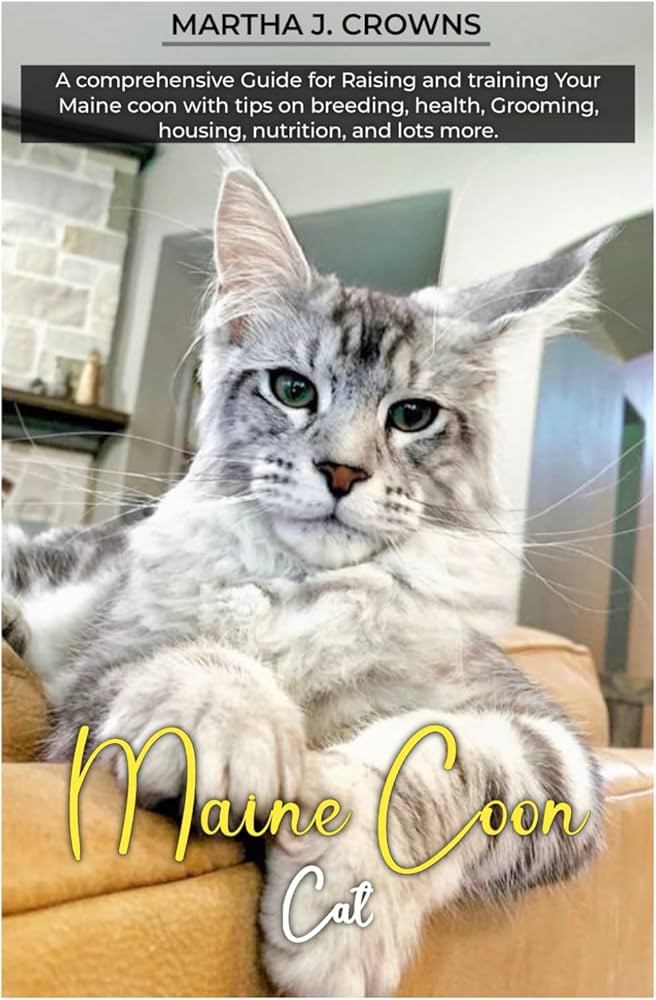
The Maine Coon, a breed true to its name, originates from the state of Maine, where it holds the distinction of being the official state cat. These robust felines are well-adapted to harsh climates, possessing a hardiness suited for New England winters. Contrary to what their impressive size might suggest, Maine Coons are known for their gentle, affectionate personalities, often described as “gentle giants.” Adult males can weigh up to 25 pounds, with females typically ranging from 10 to 14 pounds. Their personalities are as soft and fluffy as their luxurious fur, making them one of the most popular domestic cat breeds across the United States. Many Maine Coons also exhibit unique traits, such as a love for water and a tendency to play fetch, along with a significant number being polydactyl, meaning they possess extra toes on their paws, which aids in stability on slippery surfaces.
Understanding Maine Coon Health Considerations
The typical lifespan for a Maine Coon is around 13 years, which is slightly shorter than the average cat life expectancy. Due to their predisposition to certain inherited diseases, it is recommended to consider purchasing health insurance when bringing a Maine Coon kitten into your home.
Hypertrophic Cardiomyopathy (HCM)
HCM is the most prevalent form of heart disease in cats. Early stages often go unnoticed, but as the condition progresses, it can lead to heart failure, presenting symptoms such as shortness of breath, coughing, and lethargy. Proactive measures include feline DNA tests that can identify specific gene mutations associated with HCM in Maine Coons, and annual echocardiograms (heart ultrasounds) are considered the gold standard for preventive care. Inquiring about a cat’s lineage and any history of HCM with the breeder is also advised.
Spinal Muscular Atrophy
This neurological condition impacts a cat’s physical abilities without affecting their cognitive functions. Kittens typically display symptoms around 3 to 4 months of age, characterized by decreased muscle tone and weakness, leading to a wobbly gait and tremors. Despite requiring special care, cats with spinal muscular atrophy can lead fulfilling lives.
Polycystic Kidney Disease (PKD)
PKD is a common inherited disease in cats, where fluid-filled cysts in the kidneys cause irreversible damage and can lead to kidney failure. At-home DNA kits can detect PKD before symptoms manifest. Responsible breeders should have both parent cats genetically tested for this condition.
Hip Dysplasia
Hip dysplasia is a genetic condition where the hip joint forms improperly, potentially affecting one or both hips. This can result in arthritis and pain, leading to behaviors like avoiding stairs or reduced jumping. Management strategies include weight control, a joint-healthy diet, and, in severe cases, surgery.
Chronic Gingivitis
Gingivitis, the initial stage of dental disease in cats, involves gum inflammation. While all cats are at risk, Maine Coons may develop feline juvenile gingivitis as early as six months old. Daily teeth brushing and regular veterinary dental check-ups are crucial for prevention.
Nutrition and Feeding for Maine Coons
Maine Coons thrive on a high-quality diet rich in animal protein, which should be specifically labeled with a nutritional adequacy statement for their life stage by the Association of American Feed Control Officials (AAFCO). Specific formulas, such as Royal Canin’s Maine Coon food, are available for kittens and adult cats. Consulting with a veterinarian is the best way to determine the most suitable cat food for your individual pet.
Feeding Practices
Due to their exceptionally long whiskers, Maine Coons often prefer extra-wide food and water bowls to prevent whisker fatigue. While water fountains can encourage hydration, it’s not uncommon for these water-loving cats to play in them.
Determining Food Portions
The appropriate amount of food for a Maine Coon depends on various factors including their weight, activity level, and overall health. Feeding guidelines on food packaging offer a starting point, but personalized dietary recommendations from a veterinarian are most beneficial.
Nutritional Recommendations
Foods that meet AAFCO standards provide essential nutrition for a cat’s life stage. Kittens require food for growth or all life stages, while adults need age-specific nutrition. Supplements are generally not necessary unless recommended by a veterinarian. Discussing the potential benefits of joint supplements with your vet can also be advantageous.
Behavior, Training, and Enrichment
Maine Coons are generally laid-back, affectionate, and make excellent family pets, getting along well with children and other animals. They are known for their gentle nature and communicate through chirps, chatters, and trills rather than frequent meowing.
Daily Socialization and Exercise
Like all cats, Maine Coons need daily socialization and exercise to maintain their well-being. Engaging in two to three 10- to 15-minute play sessions daily can help prevent undesirable behaviors such as excessive vocalization and furniture scratching.
Training and Cognitive Enrichment
Maine Coons are intelligent and curious, making them receptive to training beyond basic litter box use. With positive reinforcement and tools like clickers, they can learn tricks and commands, which provides valuable enrichment and strengthens the human-animal bond.
Engaging Activities
Recommended activities for Maine Coons include playing fetch, sunbathing on window perches, walking on a harness and leash, birdwatching from a catio, and engaging with puzzle toys.
Grooming Your Maine Coon
Maine Coons possess thick, long double coats that require regular grooming to prevent matting and reduce shedding. Brushing two to three times a week is typically sufficient. If significant matting occurs, professional grooming may be necessary.
Skin and Coat Care
Occasional baths may be required if the cat’s fur becomes excessively oily. Introducing bathing at a young age can make the process easier. The double-layered coat, which originally aided survival in cold climates, comes in various colors and patterns.
Eye and Ear Care
Routine cleaning of the eyes may be needed if unusual discharge or redness is observed. For their large ears, keeping them clean and dry is important to prevent infections. Signs of ear infection include redness, odor, and discharge, requiring veterinary attention. Consult your vet on proper ear cleaning techniques and recommended products.
Nail Trimming
Trimming your cat’s nails every four to six weeks prevents overgrowth, which can cause discomfort and injuries.
Considerations for Maine Coon Owners
Welcoming a Maine Coon into the home means integrating them fully into the family. These cats require ample socialization and engaging activities. Providing a very large, tall cat tree with a sturdy base allows them ample space for stretching and climbing. Additionally, larger-sized litter boxes and beds are recommended to accommodate their size.
Frequently Asked Questions
Do Maine Coon cats make good house pets? Yes, they are known to be good with children and other pets, being intelligent and curious.
How much do Maine Coon cats cost? Prices typically range from $400 to $2,000, not including ongoing care costs. Adoption from shelters or rescues is also an option.
How large can a Maine Coon cat get? Males can weigh 18–25 pounds, and females 10–14 pounds, making them one of the largest domestic cat breeds.
Are Maine Coons high maintenance? Their longhaired coats require daily brushing, which some may consider high maintenance. Otherwise, they are relatively laid-back.
