
As a devoted Maine Coon owner or an aspiring one, you’ve likely pondered a crucial question: “What is the optimal food for my Maine Coon?” This is a pertinent inquiry, as our desire is for these magnificent giants to not merely survive, but to truly flourish. The reality is that there isn’t a single, universally applicable answer. You’ll encounter a spectrum of strongly held beliefs from breeders, fellow pet owners, and even veterinarians. Some champion raw diets, others advocate for premium kibble, and a contingent insists that only canned food is acceptable. This can certainly be overwhelming.
This guide aims to demystify the choices, cutting through the noise to provide practical advice. We’ll delve into my personal experiences with various diets, explain my feeding choices, and offer insights to help you determine the best dietary plan for your Maine Coon.
🔎 Conduct Your Own Research Before Selecting Cat Food
Before we explore specific brands and feeding methodologies, it is essential to state: I am not a veterinarian, nor am I a pet nutritionist. I am a Maine Coon breeder who has experimented with numerous diets over the years, discovering what best suits my cats and my lifestyle. The most valuable advice I can offer is to undertake your own thorough research. Resources like this website, which offers reviews on nearly every cat food brand imaginable, serve as excellent starting points for any cat owner.
When evaluating food options, prioritize the ingredients list, ensuring the initial items are real meat. Avoid fillers such as corn, wheat, and soy, as cats are obligate carnivores. Consider your budget and the convenience of preparation. Critically, observe your cat’s health and digestion; the truly best food is the one on which they thrive.
Now, let’s examine the various food types I have personally tried and my experiences with each.
🥩 My Experience with Raw Diets for Cats
At one point, I committed fully to a raw diet. The logic seemed sound: Maine Coons are natural hunters, so a raw, species-appropriate diet should theoretically be ideal.
🔪 The Realities of Raw Meal Prep
I procured substantial amounts of raw chicken, supplementing with liver, hearts, and bone meal, then portioned these into individual meals. While appealing in concept, my experience revealed several challenges. Raw feeding is incredibly time-consuming, especially when preparing meals for multiple cats. It necessitates additional freezer space due to the volume of food. The process is messy, with cats often dragging their food around. Personally, I found handling raw meat, particularly slimy chicken livers, to be unpleasant. The presence of bones also caused anxiety, despite cats naturally consuming them. Ultimately, I had to acknowledge that raw feeding was not sustainable for me. While I respect those who follow this diet, the mess and inherent hassle were too much.
Verdict: An excellent option for some, but not a personal fit.
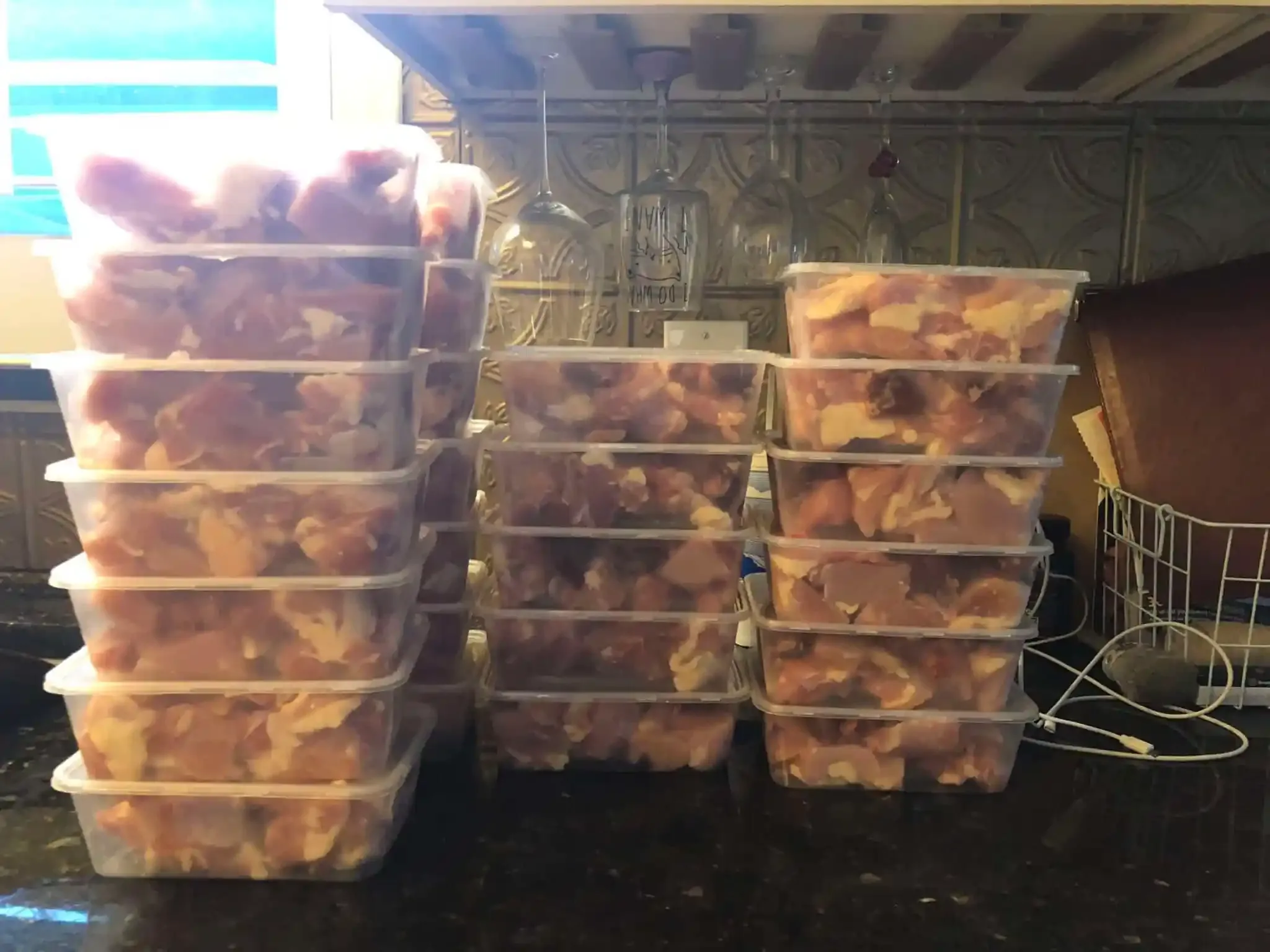 Raw diet for Maine Coon
🥣 Dry Cat Food (Kibble): The Ups and Downs
Following my departure from raw feeding, I transitioned to high-quality dry food (kibble). It offers convenience and lacks the strong odors associated with raw meat. However, it’s crucial to understand that not all kibble is created equal.
🚫 Taste of the Wild – Rocky Mountain Formula
This was the initial kibble I trialed after a breeder’s recommendation. It is grain-free, which is a positive attribute. However, the results were disappointing:
💩 The food produced extremely foul-smelling stool, to the point of being overwhelming. A well-chosen litter box can help mitigate this issue.
🤮 My cat experienced frequent vomiting, indicating his digestive system struggled to tolerate it.
😿 After a year, I decided to switch foods, as it was clearly not working for us.
🚨 Blue Buffalo Wilderness
Another breeder suggested this brand. It is also grain-free and initially appeared to be a suitable choice. However, my research uncovered concerning information regarding its recall history.
❌ The brand has faced multiple recalls due to contamination.
❌ There were reports of dogs and cats becoming ill after consuming their products.
❌ Consequently, I lost confidence in the brand and sought alternatives.
Verdict: While some cats may tolerate these brands well, I was not satisfied with the overall experience.
🍗 The Final Decision: Current Diet for My Maine Coons
After experimenting with various brands, a realization struck me. I recalled that my 14.5-year-old Himalayan cat had thrived on Purina Pro Plan throughout his life. This prompted me to consider Purina for my Maine Coons.
✅ Purina One Tender Selects & Evangers Limited Ingredient Diet
My cats have been on this combined diet for over three years, and I’ve observed several positive outcomes:
✨ Their coats are shiny and healthy.
💪 They exhibit ample energy and playfulness.
🐾 There have been no instances of vomiting or digestive issues.
😺 They genuinely enjoy the taste.
They receive a daily combination of both dry kibble and canned food, and frankly, it’s a successful regimen. I have no intention of switching again.
Verdict: This option is affordable, readily available, and my cats are thriving on it. It’s a win-win situation.
🐱 Feeding Sassy Koonz Kittens
My kittens begin a gradual introduction to solid food at 4 to 5 weeks of age. They are fed Purina One Healthy Kitten and also receive Evangers Limited Ingredient canned food. By the time they transition to their new homes, they are accustomed to consuming both wet and dry food, which simplifies the continuation of their nutritional plan for new owners.
❓ Determining Maine Coon Portion Sizes
Maine Coons are notably large cats, which naturally means they consume more food than the average feline.
🐾 Kittens: Should have free access to kibble and be offered canned food once or twice daily.
🐾 Adults: Require approximately 20 calories per pound of body weight each day.
 What should I feed my Maine CoonFor growing kittens, **allow them to eat as much as they desire**, as they need the extra calories for development.
🚀 Final Thoughts: Discovering the Best Food for YOUR Maine Coon
Ultimately, the most suitable diet is the one that harmonizes with your lifestyle and your cat’s specific needs.
✅ Select high-quality food featuring real animal protein as a primary ingredient.
✅ Diligently monitor your cat’s health, digestive function, and energy levels.
✅ Be discerning and avoid falling prey to pet food marketing tactics; always read the ingredient list.
✅ Adhere to what proves effective; if your cat is flourishing, do not feel pressured to make unnecessary changes.
Most importantly, disregard the opinions of “pet food snobs.” Some individuals may insist that failing to feed a raw diet is an error. However, remember: your cat, your decisions. Regardless of your choice—be it raw, kibble, wet food, or a combination—the fundamental objective remains consistent: to maintain your Maine Coon’s health and happiness. 🐾💙 A high-protein diet is but one element among the Maine Coon Essentials you will need for your cherished companion.
What food do YOU provide for your Maine Coon? Share your experiences in the comments below – I am eager to hear them!
See Our Maine Coon Kittens for Sale
Share this:
- Click to share on Pocket (Opens in new window) Pocket
- Click to email a link to a friend (Opens in new window) Email
Like this:
Like Loading…
Discover more from Sassy Koonz Maine Coon Cattery
Subscribe to get the latest posts sent to your email.
 author avatar
sassykoonz
My name is Tracy Caywood. I live in Jacksonville Beach, Florida, and I’m the Guardian of the Sassy Koonz Maine Coon kittens. My goal and passion is to provide you with education, inspiration, and healthy, well-socialized beautiful Maine Coon babies that you’ll love forever. My breeding journey started in 2017, and the cattery has flourished into one of the most sought-after catteries in the Untied States. See Full Bio
Maine Coon Kittens Maine Coon Breeders
