
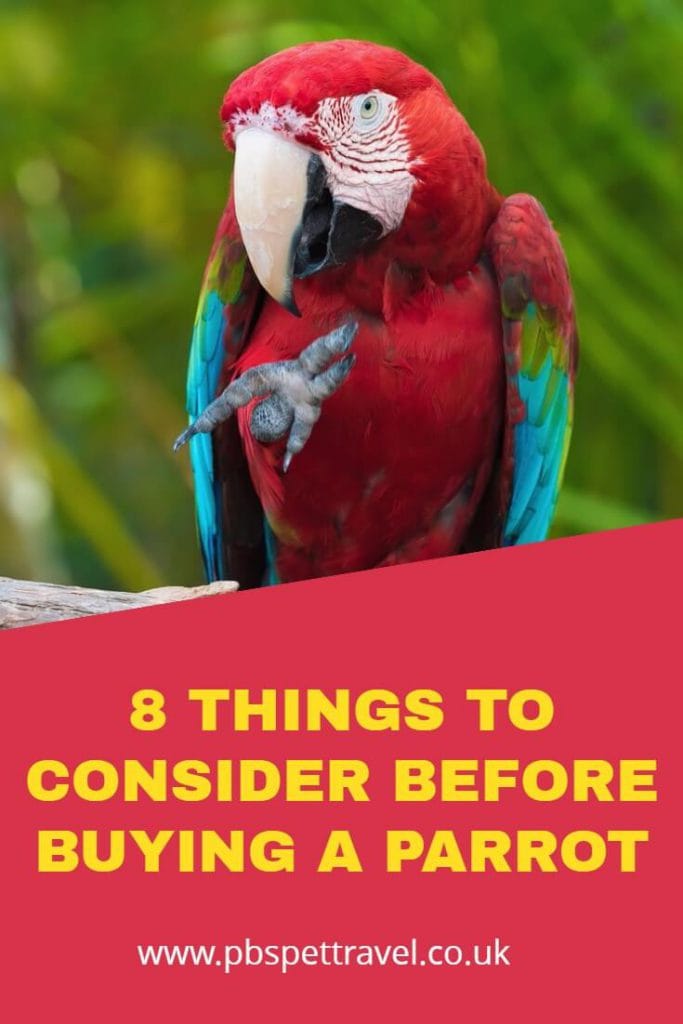
Welcoming a parrot into your home can be an incredibly rewarding experience, offering endless entertainment and companionship. However, as a veterinary surgeon specializing in avian care, I’ve observed that many common health and management issues stem from impulsive purchases or a lack of understanding about these intelligent creatures. This guide aims to provide essential insights for those considering bringing a parrot into their lives, ensuring a well-informed decision and a harmonious relationship with your new feathered friend.
Parrots are captivating and engaging pets, but their needs differ significantly from those of other birds or animals. Their high intelligence makes them susceptible to boredom, leading to potential behavioral problems. They can also be quite noisy and destructive, and larger breeds have a remarkably long lifespan, often exceeding 50 years. Therefore, it’s crucial to be certain you’re prepared for the commitment involved before making a purchase. Avoid buying on impulse; consider if a parrot truly aligns with your lifestyle and expectations.
Understanding Your Needs and the Parrot’s Environment
Before choosing a parrot, reflect on what you seek in a pet. Are you looking for a single companion bird to engage with, or do you envision a collection of parrots in aviaries? The species you select should align with your living situation and the time you can dedicate. For instance, choosing a bird solely to match your home’s decor is ill-advised; the bird’s welfare should be the primary concern. If breeding is your goal, understand that it requires significant space, time, and financial resources, often involving specialized housing with controlled environments. For those new to parrot keeping, it’s often recommended to start with smaller, more manageable species like budgerigars or cockatiels to gain experience before moving on to larger, more costly birds. This approach minimizes expensive learning curves should mistakes occur.
Consider your environment and lifestyle carefully. All birds need ample space to move and exercise. Larger birds require larger enclosures, and multiple birds necessitate more living area. If you plan to allow your parrot out of its cage, be acutely aware of potential hazards in your home, such as other pets, open flames, electrical appliances, poisonous houseplants, and unsecured doors or windows. Conversely, parrots can cause significant damage to your home by chewing woodwork, wallpaper, or even delicate ornaments. Neighborly considerations are also paramount; large parrots, particularly Amazons and Cockatoos, can be exceptionally vocal. Their natural vocalizations, often occurring at dawn and dusk, can be a source of joy for bird lovers but may strain relationships with neighbors if you live in close proximity.
Stimulating Your Parrot’s Mind and Body
Parrots are highly intelligent and require substantial mental and physical stimulation. Assess the amount of time you can realistically spend interacting with your bird daily. A single, hand-tamed pet parrot thrives on human contact and is better suited to a busy household with consistent activity than to a solitary existence with an owner who works long hours. If your bird will be alone for extended periods, provide safe toys to keep it occupied. Simple items like a papier-mâché egg carton or a block of untreated wood can suffice. Leaving a radio on can also provide a sense of companionship. For extended absences, consider keeping two or three birds together for mutual company. Conversely, managing multiple aviaries of breeding birds demands a considerable time investment for feeding and daily care, including planning for holidays or potential illnesses.
The Financial Commitment of Parrot Keeping
Parrot keeping represents a significant financial commitment. Beyond the initial purchase price of the bird, which has risen considerably due to ceased legal importation and increased popularity, consider the cost of essential accessories like cages, perches, toys, and food. Some owners are willing to spend substantial amounts on the bird itself but may hesitate to invest in a quality cage or secure housing. The investment in multiple parrots and their associated housing can easily amount to several thousand pounds.
Research and Responsible Sourcing
Before making a purchase, dedicate time to researching the species you are interested in and engage with experienced bird keepers. Numerous books and online resources offer valuable information on parrot care and behavior. Speaking with those who have prior experience can help you avoid common pitfalls in aviculture. As reiterated, avoid impulsive purchases. If you’re seeking a single, hand-tamed pet, an English-bred, hand-reared bird is often recommended. While taming older birds is possible, it presents a greater challenge. English-bred birds are generally healthier and better adapted to local climates.
For those interested in vocal abilities, African Grey parrots are renowned for their talking skills, while young Amazon parrots are also capable talkers and highly entertaining. Cockatoos also possess the ability to speak, but hand-reared individuals can be exceptionally demanding of human attention and may develop neurotic behaviors if their needs are not met. Larger species like Umbrella and Moluccan Cockatoos are notably noisy. If breeding is your objective, older, healthy stock is generally a more sensible choice.
When it comes to acquiring your parrot, consider various avenues: a friend with birds, a reputable breeder or dealer, or a pet shop. If a knowledgeable friend can offer guidance and a surplus bird, you’ll have the advantage of knowing the bird’s background, diet, and care routine, facilitating a smoother transition and providing ongoing support. Advertisements in specialized bird journals can also be a good source.
When visiting a pet shop, look for vendors who demonstrate genuine knowledge about the species they sell. A shop that provides detailed information beyond just the price—including scientific and common names, natural habitat, and dietary needs—is likely to be more reputable. Some stores even list the pros and cons of each bird, indicating a commitment to ensuring a suitable match between owner and pet. If you are responding to an advertisement, especially from a supplier far away, always visit the bird in person before purchasing and arrange for its transport home yourself. Shipping birds can be highly stressful for them, and seeing the bird beforehand ensures it meets your expectations.
Reputable suppliers should offer a return or exchange policy for a reasonable period after purchase. This safeguard is essential, whether the bird proves unsuitable for your needs or develops signs of illness shortly after arriving home. Even outwardly healthy birds can carry organisms that may manifest as illness when the bird is stressed by a change in environment or routine. Many retailers now facilitate a veterinary check-up within a specified timeframe post-purchase to identify any latent health issues.
Ongoing Care and Veterinary Support
Once you’ve selected the right parrot and a trustworthy supplier, remember that established, mature birds generally do not face excessive health problems. However, it is prudent to establish contact with a veterinarian experienced in avian care before any health issues arise. Birds require prompt attention if they become ill, as their conditions can deteriorate rapidly. Enjoy your new relationship with your bird, and may it be the beginning of a fulfilling and lifelong hobby.
For further reading, explore resources such as:
- A Complete Beginner’s Guide
- Suggested Parrots for Pets
- Buyers Beware – Caveat Emptor
- Parrot Nutrition
