
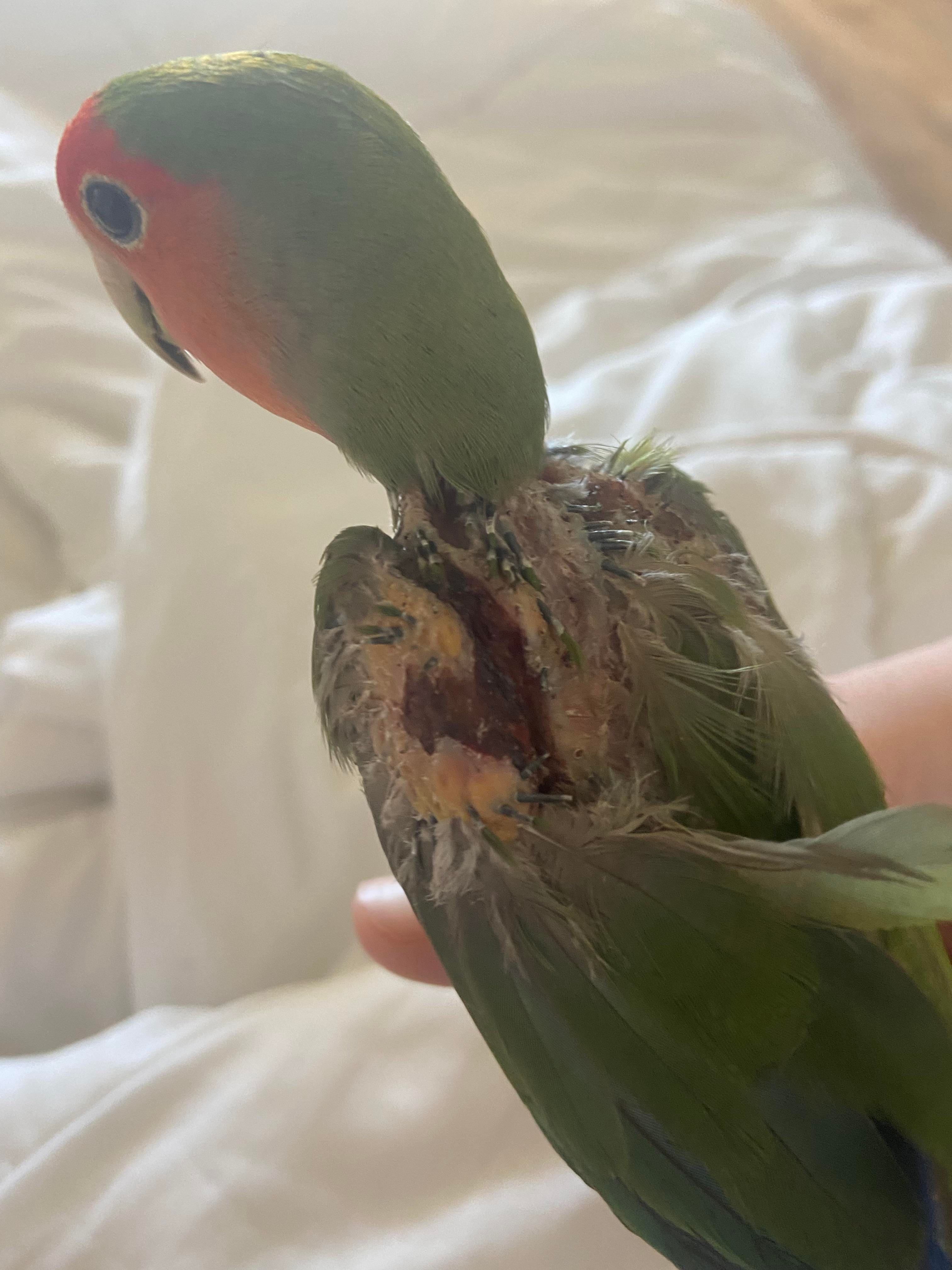
Parrot feather plucking, also known as plumage destructive behavior, is a common yet often misunderstood affliction in captive parrots. Visitors to sanctuaries like Garuda Aviary frequently inquire about the bald spots seen on rescued parrots, assuming severe trauma is the cause. However, the reality is more nuanced: while stress and anxiety can exacerbate the issue, they are not the root cause of feather plucking.
To truly understand this behavior, we must return to the basics of a parrot’s development. Newly hatched chicks are incapable of managing their nascent plumage. This responsibility falls to their parents, whose preening of the chick’s feathers stimulates the production of endorphins, such as oxytocin, in the chick’s body. This nurturing activity provides comfort and soothes the young bird for its first one to two years. Upon fledging, young parrots begin to manage their own plumage, mimicking their parents’ behavior. Crucially, every time a naturally raised parrot preens, it stimulates nerve endings in the feather follicles, triggering an “endorphin recall” – a pleasurable response associated with positive past experiences. This satisfaction signal tells the parrot when to stop preening. Consequently, a healthy, naturally raised parrot is less likely to damage its feathers, regardless of external stressors.
The parrots that exhibit feather plucking are typically those bred in captivity. This is largely because many breeders separate newly fertilized eggs from the parent birds to incubate them, allowing the parents to lay more eggs sooner. This process, while increasing profit, deprives the chicks of essential parental preening during their formative years. Lacking the endorphin recall response triggered by parental care, hand-raised parrots do not experience the same satisfaction from normal preening. This can lead to over-preening and the development of bald spots, particularly on the chest and wing areas. As this compulsive behavior progresses, the parrot may begin to pluck feathers that are not yet ready to shed, causing pain and triggering a different set of endorphins (beta-endorphins). This can create a cycle where the parrot becomes reliant on the pain and subsequent endorphin rush, developing a condition akin to trichotillomania in humans. Unfortunately, an endorphin recall response can only be established during a parrot’s early development and cannot be retroactively instilled in adulthood. If your parrot displays bald spots, it’s essential to consult an avian specialist to rule out any underlying health issues. If the bird is healthy, the plucking is likely a result of this learned behavior, and intervention is limited. It is vital not to interrupt preening, as distinguishing it from plucking can be difficult for the owner. Expressing anxiety during preening can, in turn, cause genuine anxiety in the bird. The most supportive action an owner can take is to offer unconditional love, regardless of the parrot’s appearance.
Addressing Delayed Feather Plucking
A common question arises regarding parrots that begin feather plucking much later in life, sometimes between 10 to 15 years old, often coinciding with stressful situations. While anxiety, stress, and depression can worsen existing feather plucking, they do not initiate it. It is theorized that the excessive preening begins much earlier, even before visible signs like bald spots appear. A young parrot’s rapid feather growth can compensate for early over-preening. Similar to trichotillomania in humans, where hair thinning may occur long before a bald spot is noticed, parrots may be engaging in a higher-than-normal preening frequency without significant feather loss until later.
The act of pulling out a premature feather causes pain, which releases beta-endorphins, leading to a cycle of seeking this response. This dependency on beta-endorphins intensifies over time. Furthermore, as parrots age, their feather growth naturally becomes less robust, making feather loss more apparent. Therefore, while stress and anxiety can exacerbate the condition, they are not the primary cause. The parrot’s underlying lack of an endorphin recall response to preening leads it to seek self-soothing through beta-endorphins. It learns to over-preen to trigger these pain-coping endorphins.
Proof of this can be seen in “wild-caught” parrots. Despite experiencing significant trauma and stress during capture and transport, resulting in PTSD-like symptoms, they do not typically engage in feather plucking. This is because they developed the crucial endorphin recall response from their parents before being taken from their natural environment. In contrast, domestic-bred parrots, living generally comfortable lives, may develop plumage mutilation. Approximately 15% of parrots at Garuda Aviary are wild-caught, and none exhibit over-preening. In 25 years of experience, only one healthy wild-caught parrot was known to over-preen, and this was attributed to being removed from the nest excessively early. While not all domestically bred parrots will pluck their feathers, they are the only group of healthy parrots that do.
The introduction of the COVID-19 virus has heightened our awareness of the importance of animal welfare. As layoffs and shutdowns increase, so does animal abandonment, making animal rescue organizations and sanctuaries more vital than ever. These organizations offer abandoned animals a second chance at life.
Donate to Garuda Aviary:
