
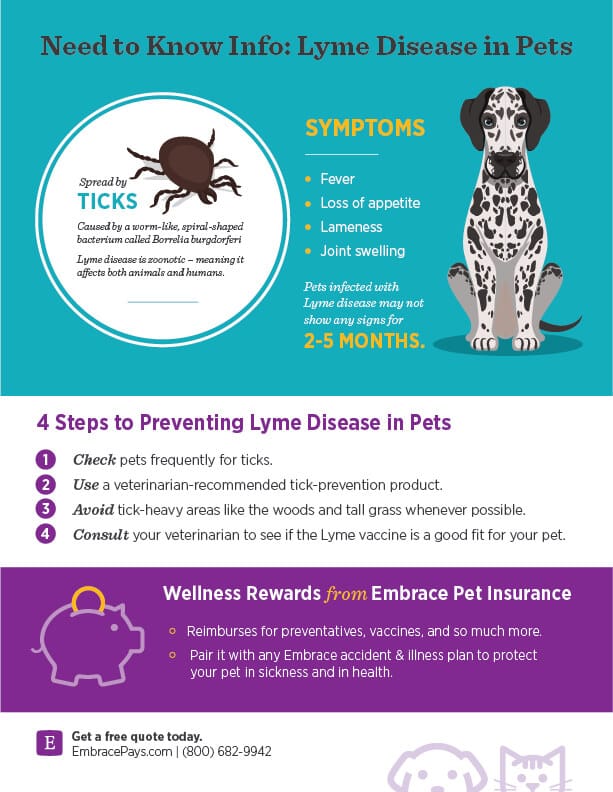
Lyme disease, also known as Lyme borreliosis, is a prevalent infection transmitted by ticks, caused by the Borrelia burgdorferi bacterium. When an infected tick bites a dog, the bacterium can enter the bloodstream, potentially leading to serious health issues affecting specific organs and overall well-being. Detecting Lyme disease can be challenging, and it may result in long-term health complications if left untreated. Understanding the risks and symptoms is crucial for every dog owner.
Pro Tip: Dog insurance can cover Lyme disease treatment costs if your pet is enrolled before an infection occurs. Since pet health insurance does not cover pre-existing conditions, it’s important to enroll your dog before any health issues arise.
Who Is at Risk of Lyme Disease?
Dogs, humans, and less commonly, cats, cattle, and horses are susceptible to Lyme disease. Ticks, often found in grassy, sandy, and wooded environments, make it difficult to completely avoid exposure. For transmission to occur, a tick typically needs to be attached for 24 to 48 hours. While Lyme disease has been reported in all US states, the risk of infection varies significantly. Over 95% of cases historically originated from the Pacific coast, Upper Midwest, and Northeast. However, the disease is increasingly prevalent in areas previously considered low-risk, including states like Iowa, Illinois, Ohio, North Dakota, and Michigan.
Ticks can also carry other less common bacterial diseases that affect dogs, such as babesiosis and anaplasmosis. Babesiosis can manifest with symptoms like high fever, dark urine, and severe shock. Anaplasmosis symptoms often mimic those of Lyme disease. Veterinarians diagnose both these diseases through blood tests similar to those used for Lyme disease.
Symptoms of Lyme Disease in Dogs
Unlike in humans, where Lyme disease often presents with a characteristic rash and flu-like symptoms within days or weeks, the signs in dogs are different and tend to manifest more slowly, often weeks or even months after infection. Many dogs can carry Lyme disease without showing any outward signs. However, some of the most common signs of Lyme disease in dogs include:
- Fever
- Lethargy and fatigue
- Generalized discomfort, pain, or stiffness
- Lameness (intermittent, shifting, or recurring)
- Swelling of joints
- Loss of appetite and weight loss
- Depression
- Swollen lymph nodes
- Vomiting
- Bad breath
If left untreated, Lyme disease can cause significant damage to the heart, kidneys, and nervous system. Kidney damage can progress to Lyme nephritis, a potentially fatal inflammation of the kidneys. Breeds like Labrador Retrievers and Golden Retrievers are particularly prone to developing Lyme nephritis, necessitating extra vigilance. Serious neurological and cardiac complications can also arise.
How Is Lyme Disease Transmitted?
Lyme disease is exclusively transmitted through tick bites. This means it cannot spread directly from dogs to humans or from one animal to another. However, there is a risk that an infected tick on your dog could enter your home and then attach to family members or other pets. Dogs, cats, humans, and wildlife can all unknowingly act as carriers, facilitating the movement of ticks from outdoor environments into homes, where they gain access to other household members. If your dog tests positive for Lyme disease, you and any other animals sharing the same indoor or outdoor spaces may also be at risk. In such cases, it’s advisable to consult your doctor about potential testing.
Lyme Disease Diagnosis
Your veterinarian will diagnose Lyme disease based on your dog’s physical symptoms and health history. Two blood tests are commonly used to diagnose Lyme disease in dogs:
- C6 test: This test detects antibodies against the C6 antigen, indicating an infection. These antibodies can be present three to five weeks after a tick bite, even before symptoms appear.
- Quant C6 test: Used in conjunction with urine analysis, this test helps determine the necessity for antibiotic treatment.
Treating Lyme Disease in Dogs
If you suspect your dog might have Lyme disease, schedule a veterinary appointment promptly. The veterinarian will perform blood tests, and if the results are positive, antibiotics will be prescribed to eliminate the bacteria from your dog’s bloodstream.
Currently, Doxycycline and Amoxicillin are the most common treatment options. Symptoms typically subside within 48 hours of starting antibiotic therapy. It is crucial to follow your veterinarian’s instructions regarding the dosage, frequency, and duration of medication. Completing the entire course of antibiotics is vital, even if your dog appears to recover quickly. Incomplete treatment can lead to the remaining bacteria developing antibiotic resistance, potentially causing a relapse.
Pets diagnosed with Lyme disease require annual urine tests, as long-term exposure can lead to renal disease.
Treatment Costs
The cost of treating Lyme disease can be substantial. Veterinary examination fees typically range from $40 to $100, varying by location. Blood tests usually cost around $80. Antibiotics can add significantly to the expense; a 14-day supply might cost $400 or more in some areas. In severe cases requiring chronic condition management and hospitalization, the total cost can escalate further.
How Can These Costs Be Reduced?
Obtaining pet insurance for your dog before they develop any illness can help mitigate the high costs associated with treating Lyme disease or any other potential emergencies, injuries, or illnesses throughout their life. Most pet insurance plans cover diagnostic tests, treatment, medications, and potentially vet exam fees, provided the plan was active before the Lyme disease diagnosis.
Lyme Disease Prevention
Preventing tick bites is the most effective strategy to protect your dog from Lyme disease. Here are some key preventative measures:
- Avoid Tick-Infested Areas: When walking your dog, steer clear of bushy areas, tall grass, and dense woods. Stick to marked trails, especially in Lyme-endemic regions.
- Perform Regular Checks: Inspect yourself and your dog thoroughly after walks in grassy or wooded areas. Pay close attention to the ears, lips, eyes, under the tail, groin area, paws, and between the toes. Young ticks can be as small as a pinhead, so using a flashlight can aid detection.
- Proper Tick Removal: If you find a tick, remove it immediately using fine-tipped tweezers. Avoid crushing or partially removing the tick, as this can increase the risk of bacterial transmission. If you’re unable to remove it successfully, consult your veterinarian.
- Veterinary Tick Checks: Ask your vet to check your dog for ticks during every examination. They can perform a thorough check to ensure no ticks are missed.
Preventing ticks entirely can be challenging without preventative medications. Fortunately, numerous over-the-counter tick control products are available that effectively repel ticks and kill any that attach before they can transmit diseases. Examples include Advantix, Revolution, Frontline, and Preventic collars. While these may not always prevent attachment or kill ticks instantly, they often cause ticks to detach before the critical 48-hour transmission window. Consult your vet to determine the most suitable product for your dog. Many pet insurance plans offering wellness care even reimburse a significant portion of the cost for year-round flea and tick preventatives.
Vaccination is also a viable option. Vaccinating your dog against the bacteria that cause Lyme disease is recommended, particularly for dogs living in endemic areas or those who spend considerable time outdoors in wooded environments. Discussing vaccination with your veterinarian during your dog’s next wellness visit is highly advisable.
Main Takeaways
Lyme disease is a serious infection transmitted by ticks that can affect both dogs and humans, and in some cases, it can be fatal. Dogs are particularly at risk when spending time outdoors in heavily wooded, tick-endemic areas. Diagnosis typically involves blood tests, and treatment with antibiotics prescribed by a veterinarian is necessary to eliminate the bacteria. Year-round tick preventatives and available vaccines play a crucial role in prevention. Most pet insurance plans cover Lyme disease treatment as long as it is not a pre-existing condition, making enrollment while your dog is healthy highly beneficial.
