
Lyme disease, scientifically known as borreliosis, is a bacterial infection in dogs transmitted through the bite of infected ticks. While it can also affect humans, dogs do not transmit the disease to their owners. This condition can lead to significant health complications in dogs, including joint inflammation and, in severe cases, kidney failure. The bacteria, Borrelia burgdorferi, enters a dog’s bloodstream from the tick’s saliva and can target vital organs such as the joints, heart, brain, and spinal cord.
Some dogs may not exhibit any outward signs of Lyme disease, while others can become severely ill. The severity often depends on the dog’s immune system strength and how quickly treatment is initiated. Dogs that engage in outdoor activities like hiking or hunting in wooded or grassy areas are at a higher risk due to increased exposure to ticks. Additionally, unvaccinated dogs and those not on regular tick preventatives are more susceptible to infection. It’s estimated that between 1.4% and 13.3% of dogs in the United States have tested positive for Lyme disease. The disease is prevalent across most of the United States, with higher concentrations in the Midwest, Northeast, Southeast, and West. Diagnosis typically peaks in the warmer months of spring, summer, and fall when ticks are most active. With early and appropriate treatment, dogs diagnosed with Lyme disease can generally live normal lifespans. However, untreated Lyme disease can lead to life-threatening kidney failure, necessitating immediate veterinary attention if symptoms are suspected.
Symptoms of Lyme Disease in Dogs
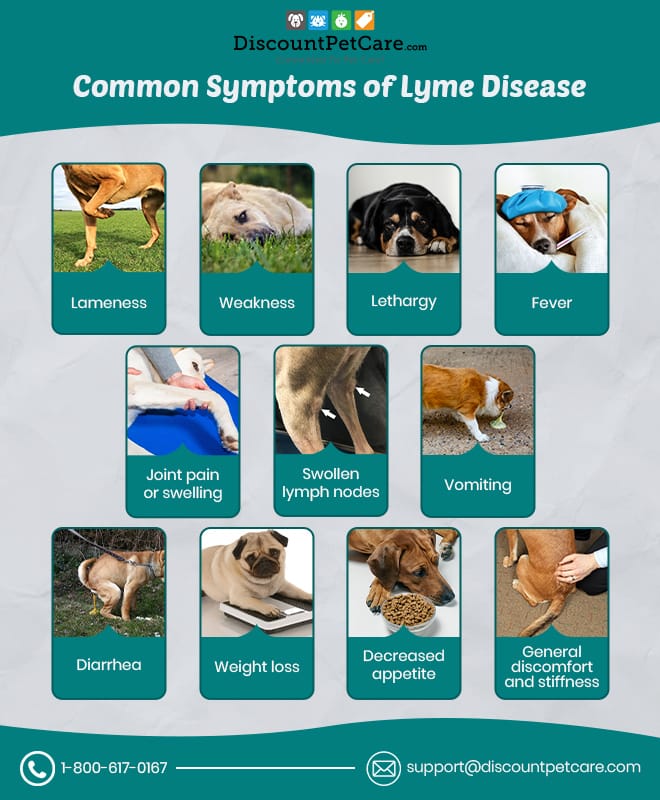
Symptoms of Lyme disease in dogs can vary, and some may show no signs if their immune system can effectively manage the infection. When symptoms do appear, they can include:
- Fever
- Lethargy or fatigue
- Loss of appetite
- Swollen lymph nodes
- Lameness, often shifting from one leg to another
- Joint swelling and pain
Causes of Lyme Disease in Dogs
Lyme disease is caused by the Borrelia burgdorferi bacteria, transmitted by infected ticks belonging to the Ixodes genus. The primary carriers are the I. scapularis (deer tick) and I. pacificus (western blacklegged tick). These ticks acquire the bacteria by feeding on infected rodents and birds. The bacteria then multiply within the tick and are transmitted to a dog through a bite. For the infection to be transmitted, the tick must remain attached to the dog for a minimum of 24 to 48 hours.
How Veterinarians Diagnose Lyme Disease in Dogs
Veterinarians diagnose Lyme disease in dogs through a combination of diagnostic tests and a thorough discussion about the dog’s history and potential exposures. Key information includes recent travel history, possible tick exposure, and observed symptoms. Common diagnostic tools include:
- SNAP 4Dx Test: This in-clinic blood test detects antibodies to Borrelia burgdorferi and other common tick-borne diseases. It provides results within minutes and is not affected by prior Lyme vaccination.
- Polymerase Chain Reaction (PCR): This test can analyze blood, joint fluid, or lymph node samples to detect the presence of the bacteria.
- Blood Work: Comprehensive blood tests help assess the dog’s overall health and rule out other conditions that might mimic Lyme disease symptoms.
- Urinalysis: Urine samples are analyzed for protein levels, which can indicate kidney involvement, a potential complication of Lyme disease.
Treatment of Lyme Disease in Dogs
The primary treatment for Lyme disease in dogs involves a course of antibiotics, most commonly doxycycline, administered for at least 30 days. Many dogs show significant improvement in symptoms within 24 hours of starting antibiotic therapy. If a dog is sensitive to doxycycline, alternative antibiotics like amoxicillin or cefovecin may be prescribed.
For dogs experiencing joint pain or swelling, pain medications such as gabapentin may be recommended. In some instances, veterinarians might use steroids or other immunosuppressant medications if deemed beneficial. Dogs with severe symptoms may require hospitalization for supportive care, including intravenous fluids and medications to support kidney function. If you suspect your dog has Lyme disease, seeking prompt veterinary care is crucial, as delayed treatment can lead to severe complications.
Recovery and Management of Lyme Disease in Dogs
Most dogs experience a noticeable improvement within one to two days of starting antibiotic treatment. A full 30-day course of antibiotics is essential to eradicate the bacterial infection, and with early diagnosis and treatment, Lyme disease is often curable. However, some dogs may develop chronic lameness if the infection was long-standing or treatment was delayed. These dogs may require extended antibiotic therapy and lifelong pain management. Providing supportive comfort measures, such as an orthopedic dog bed or portable stairs to ease movement, can improve their quality of life.
When the infection affects the kidneys, Lyme disease becomes very difficult to cure, often necessitating long-term medical management and resulting in a guarded prognosis. In cases where a dog’s quality of life has severely declined, humane euthanasia may be recommended by the veterinarian to relieve suffering.
Prevention of Lyme Disease in Dogs
Preventing Lyme disease in dogs involves a two-pronged approach: vaccination and consistent use of tick preventatives.
- Vaccination: The Lyme vaccine is typically administered to puppies starting at 12 weeks of age, with a booster given three weeks later, followed by annual boosters for dogs at risk. This vaccine is particularly recommended for dogs living in or traveling to areas where Lyme disease is prevalent.
- Tick Preventatives: Year-round use of topical or oral tick prevention products is crucial for protecting dogs against tick bites and the transmission of Lyme disease. Commonly recommended products include Bravecto®, NexGard®, and Simparica Trio™.
- Environmental Control: Regularly checking your dog for ticks after outdoor activities and promptly removing any found is essential. Limiting exposure to heavily wooded or grassy areas where tick populations are high can also reduce risk.
Lyme Disease in Dogs FAQs
What happens if my dog tests positive for Lyme disease?
If your dog tests positive for Lyme disease, your veterinarian will create a tailored treatment plan. Mildly symptomatic dogs typically receive a month-long course of antibiotics. More severe cases may require hospitalization and supportive care.
Is Lyme disease in dogs contagious?
No, Lyme disease is not contagious between dogs or from dogs to humans. The transmission occurs solely through the bite of an infected tick.
References
- Companion Animal Parasite Council. Lyme Disease. Updated May 15, 2019.
