
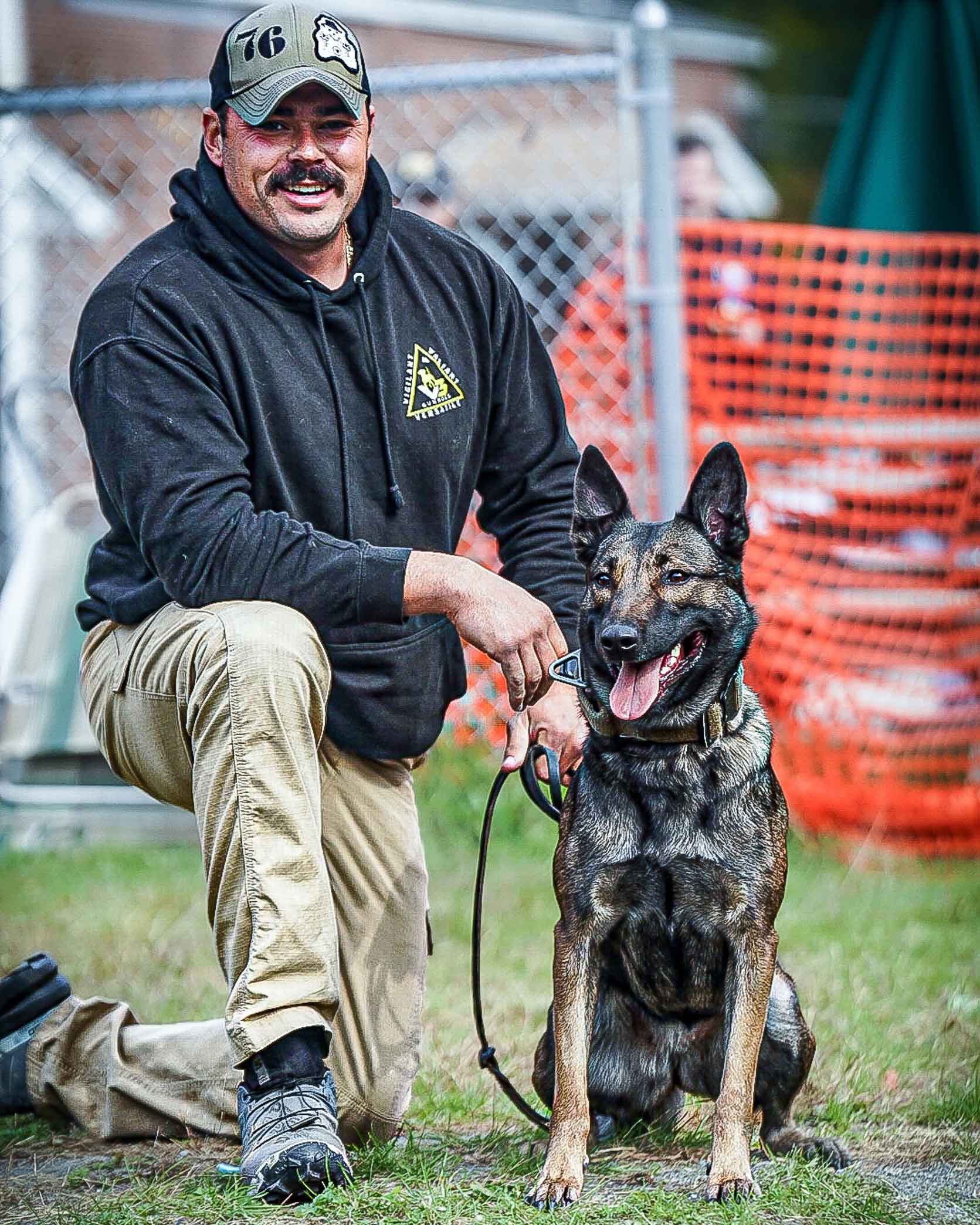
Training your dog is more than just teaching tricks; it’s about building a lifelong bond based on trust, understanding, and clear communication. For many, the ultimate goal is to cultivate a truly “loyal companion dog.” This journey, while rewarding, requires patience, consistency, and the right approach. Whether you’re welcoming a new puppy into your home or looking to strengthen the connection with your existing furry friend, understanding the principles of effective dog training is paramount. This guide will delve into the essential aspects of Loyal Companion Dog Training, offering insights and practical advice to help you forge an unbreakable partnership with your canine.
The very essence of a loyal companion dog lies in their unwavering devotion and eagerness to please their human counterparts. This deep connection isn’t accidental; it’s nurtured through consistent training and positive reinforcement. From the earliest stages of a puppy’s life, introducing them to basic obedience commands sets the foundation for future learning and good behavior. Understanding the unique motivations of your dog, whether it’s a treat, praise, or a favorite toy, is key to unlocking their potential and making the training process enjoyable for both of you.
Understanding Canine Communication and Motivation
Before diving into specific training techniques, it’s crucial to understand how dogs communicate and what drives their behavior. Dogs, much like humans, express themselves through a complex interplay of body language, vocalizations, and actions. Recognizing signs of happiness, fear, anxiety, or confusion is the first step in effective training. A wagging tail, for instance, doesn’t always signify happiness; it can also indicate excitement or even nervousness. Learning to read these subtle cues allows you to respond appropriately, reinforcing positive behaviors and redirecting unwanted ones.
Motivation is the engine of learning for any dog. While positive reinforcement—using rewards like treats, praise, and play to encourage desired behaviors—is widely considered the most effective and humane method, understanding what truly motivates your individual dog is essential. Some dogs are highly food-motivated, while others respond best to enthusiastic verbal praise or a game of fetch. Experimenting with different rewards and understanding your dog’s preferences will significantly enhance your training sessions. This personalized approach not only speeds up the learning process but also strengthens the bond between you and your dog, making them more eager to engage and learn.
Essential Foundational Commands for a Loyal Companion
Building a strong foundation with basic obedience commands is the cornerstone of developing a loyal companion dog. These commands not only ensure your dog’s safety but also facilitate a smoother daily life together. Commands like “sit,” “stay,” “come,” and “down” are fundamental building blocks for more advanced training and provide a clear line of communication between you and your dog.
- Sit: This is often the first command taught. Hold a treat near your dog’s nose, then move it up and slightly back over their head. As their head follows the treat, their rear end will naturally lower into a sit. Say “sit” as they do.
- Stay: Once your dog masters “sit” or “down,” you can introduce “stay.” Ask them to sit, then extend your hand with your palm facing them and say “stay.” Take a single step back. If they remain, return and reward them. Gradually increase the distance and duration.
- Come: This is a vital command for safety. Start in a quiet, enclosed area. Get your dog’s attention, say their name followed by “come,” and back away while patting your legs or holding a treat. Reward them enthusiastically when they reach you. Never punish a dog who comes to you, even if they were doing something wrong before.
- Down: From a sit, hold a treat at your dog’s nose and lower it to the ground between their front paws, then slowly drag it away from them. As they follow the treat down, they should lie down. Say “down” as they do.
Consistency is key when teaching these commands. Use the same cues, reward desired actions promptly, and keep training sessions short and engaging to maintain your dog’s focus and enthusiasm. This consistent communication helps your dog understand expectations and builds their trust in your guidance, fostering that loyal companion bond.
Positive Reinforcement: The Heart of Companion Training
Positive reinforcement is not just a training method; it’s a philosophy that emphasizes rewarding good behavior to increase the likelihood of it happening again. This approach builds a strong, positive association with training and with you, making your dog more eager to learn and please. It focuses on what you want your dog to do, rather than solely on correcting what you don’t want.
When your dog performs a desired action, such as sitting when asked, offering a treat, enthusiastic praise, or a favorite toy immediately follows. This swift reward system helps your dog connect the action with the positive outcome. Over time, they learn that performing that action leads to good things, making them more likely to repeat it. This creates a cycle of success and strengthens the human-animal bond, laying the groundwork for a truly loyal companionship. For more in-depth strategies on encouraging specific behaviors, resources on francesca’s dog training can offer valuable insights into personalized training plans.
Socialization: Crucial for a Well-Adjusted Companion
Socialization is the process of exposing your dog to a wide variety of people, places, sounds, and other animals in a positive and controlled manner, especially during their critical developmental periods (typically between 3 weeks and 16 weeks of age for puppies). A well-socialized dog is more likely to be confident, adaptable, and less prone to fear-based aggression or anxiety, making them a more pleasant and reliable companion.
Expose your dog to different environments, such as parks, busy streets (with caution), and pet-friendly stores. Introduce them to people of various ages, appearances, and abilities. Arrange controlled playdates with vaccinated, well-behaved dogs. Crucially, ensure these experiences are overwhelmingly positive. If your dog shows signs of fear or stress, do not force them; instead, create distance and associate the trigger with positive reinforcement. This careful exposure helps your dog develop into a balanced and trustworthy companion. Understanding the nuances of different breeds, such as whether are bernese mountain dogs easy to train, can also inform your socialization strategy, as breed-specific temperaments can influence how they interact with new experiences.
Addressing Common Behavioral Challenges
Even with the best training, most dogs will encounter behavioral challenges at some point. Addressing these issues proactively and with understanding is vital for maintaining a harmonious relationship. Common problems include excessive barking, chewing, jumping, and house-soiling.
- Excessive Barking: Identify the trigger for the barking. If it’s boredom, increase exercise and mental stimulation. If it’s anxiety, work on desensitization and counter-conditioning. Teach a “quiet” command by rewarding silence after barking.
- Chewing: Provide plenty of appropriate chew toys and redirect your dog to these when they chew on inappropriate items. Ensure they are getting enough physical and mental exercise, as boredom often leads to destructive chewing.
- Jumping: When your dog jumps, turn away or step back, withholding attention. Only give attention when all four paws are on the floor. Ask visitors to do the same.
- House-soiling: For puppies, frequent potty breaks and consistent positive reinforcement for eliminating outside are key. For adult dogs, rule out medical issues with a vet. If behavioral, establish a strict schedule and reward successful outdoor potty breaks.
Remember that patience and consistency are your greatest allies. For specialized needs, such as diabetic alert dog training, consulting with professional trainers is highly recommended.
The Role of Exercise and Mental Stimulation
A tired dog is a good dog, as the saying goes. Adequate physical exercise is fundamental for a dog’s overall health and well-being, and it plays a significant role in their behavior. Exercise helps burn off excess energy that might otherwise manifest as destructive behaviors, excessive barking, or restlessness. The amount and type of exercise needed vary greatly by breed, age, and individual energy levels.
Beyond physical exertion, mental stimulation is equally important for cultivating a well-rounded loyal companion. Puzzle toys, scent games, obedience training refreshers, and learning new tricks provide mental challenges that keep your dog engaged and prevent boredom. A mentally stimulated dog is less likely to develop behavioral problems and more likely to be calm and content. Integrating activities like agility courses or interactive play can be particularly beneficial for breeds that thrive on activity. Exploring services like presidential k9 dog training & daycare can provide structured opportunities for both physical and mental engagement, further solidifying your dog’s training and companionship skills.
Advanced Training and Specialized Skills
Once your dog has a solid grasp of basic obedience, you might consider pursuing more advanced training. This could include off-leash reliability, complex trick training, or even specialized skills like protection work or service dog tasks. Advanced training not only deepens the bond between you and your dog but also unlocks their potential and provides new avenues for engagement.
For those interested in protection work, it’s crucial to approach it responsibly and ethically, focusing on control, predictability, and temperament assessment. Training for tasks such as trained family protection dogs for sale requires expert guidance to ensure the dog is safe, reliable, and well-adjusted. Similarly, training for service or therapy roles demands rigorous obedience, specific task training, and a calm, stable temperament. Engaging with certified professional trainers is essential for success in these advanced areas.
Building a Lasting Bond: The True Meaning of a Loyal Companion
Ultimately, training a loyal companion dog is an ongoing journey of mutual learning and respect. It’s about more than just commands and obedience; it’s about understanding your dog’s unique personality, needs, and desires. By employing positive reinforcement, consistent communication, and ample opportunities for socialization and stimulation, you are not just training a pet – you are cultivating a deep, trusting relationship that enriches both your lives.
The rewards of this dedicated effort are immeasurable. A well-trained dog is a joy to be around, a trusted member of the family, and a constant source of unconditional love. Embrace the process, celebrate the small victories, and enjoy the incredible journey of developing your dog into the ultimate loyal companion.
