
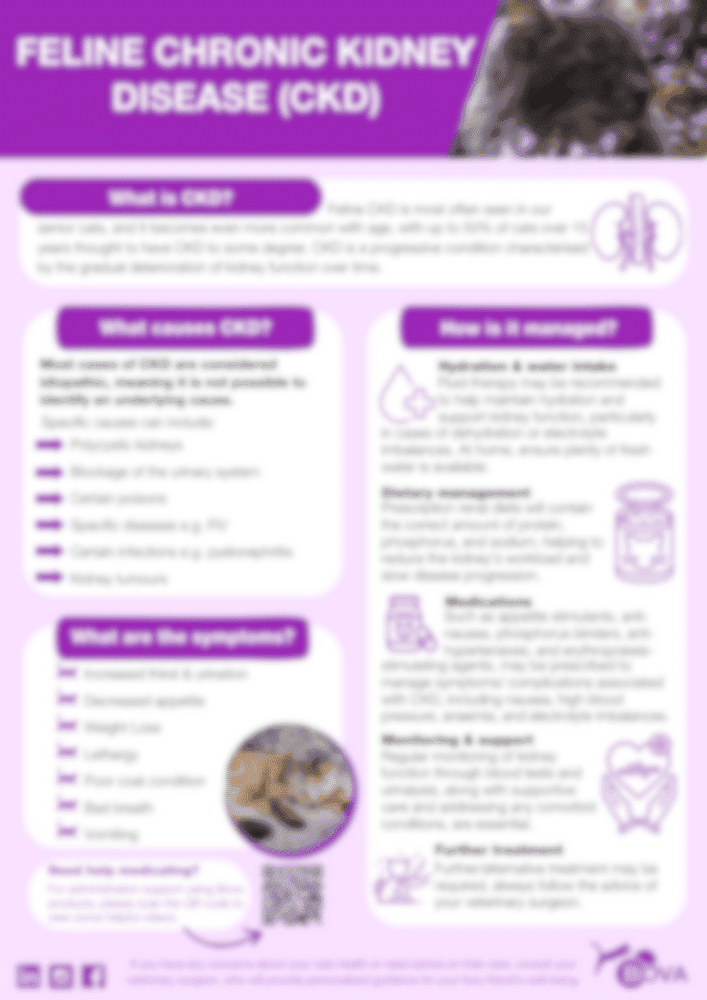
When your beloved feline companion begins to show subtle changes in behavior and health, it’s crucial to consult with your veterinarian. These early signs, such as increased thirst and urination, decreased appetite, weight loss, vomiting, lethargy, and a generally unkempt coat, can indicate renal insufficiency, a serious condition that affects a cat’s kidneys. While kidney disease in cats cannot be cured, it can be effectively managed, and a cornerstone of this management lies in dietary adjustments to slow the progression of the disease and enhance your cat’s quality of life.
Understanding the Nuances of Feline Renal Diets
The goal of a specialized renal diet for cats is to reduce the workload on compromised kidneys. These diets differ significantly from standard cat food and even from urinary tract diets, which are designed for conditions like bladder stones. Feline renal diets are meticulously formulated with specific nutritional profiles:
- Reduced Sodium: To help manage blood pressure and fluid balance.
- Controlled Phosphorus: Essential for slowing the progression of kidney damage.
- Adjusted Protein Levels: Often lower in overall protein, but the protein included is highly digestible to minimize waste products.
- Increased Non-Protein Calories: To ensure your cat maintains energy levels.
- Enhanced Potassium and B Vitamins: To compensate for losses and support overall bodily functions.
- Omega Fatty Acids: Incorporated to help reduce inflammation within the kidneys.
- Increased Fiber: To aid in digestion and prevent constipation.
- Higher Moisture Content: Particularly in canned varieties, to promote hydration, which is paramount for kidney health.
It is vital to remember that urinary tract diets, commonly found in grocery and pet stores, are not suitable for cats suffering from kidney disease. They serve a different purpose and can, in fact, exacerbate kidney issues.
Strategies for Successful Diet Transition
Encouraging a cat with kidney disease to embrace a new, specialized diet can be challenging. Cats are often creatures of habit, and their appetite may already be diminished. Here are several strategies to help ensure your cat eats and benefits from their renal diet:
- Prioritize Hydration: Ensure your cat has constant access to fresh, clean water. Do not simply top off the bowl; replace it daily. Water is the single most important element in managing kidney disease.
- Never Withhold Food: It is counterproductive and harmful to “starve” your cat into eating a prescribed diet. Their nutritional needs are critical, even if their appetite is low.
- Embrace Wet Food: Canned or wet food is generally preferred over dry kibble due to its higher moisture content, directly contributing to essential hydration.
- Palatability is Key: If your cat is eating very little of the new diet, it is more beneficial for them to eat something than to consume almost none of the prescribed food.
- Gradual Introduction: Slowly transition your cat to the new diet by mixing small amounts of the renal food with their current food, gradually increasing the proportion of the new food over time.
- Warm the Food: Warming food to body temperature can significantly enhance its aroma and appeal to your cat.
- Enhance Flavor:
- Low-Sodium Broth: Create a savory broth by boiling chicken (thighs and legs work well) with water. Do not remove the fat, as it provides beneficial calories. Include small pieces of chicken in the broth. This broth can be used to moisten and flavor any of the renal diets.
- Low-Sodium Tuna: For human consumption, low-sodium canned tuna (like Star Kist) can be a highly palatable addition to renal diets.
Renal Diet Product Options
Finding a renal diet your cat will readily accept may require some trial and error. The following is a non-exhaustive list of brands that offer specialized renal diets. It’s always recommended to discuss options with your veterinarian, who may have specific preferences based on their experience and your cat’s individual needs. The most important factor is that your cat wants to eat the food.
- Eukanuba Multi-Stage Renal Diet: Available in both canned and dry forms. Contact Iams Company for local distributor information.
- Hill’s Prescription Diets: Hill’s offers g/d and k/d formulations specifically for cats with kidney disease. These come in canned and dry options. Visit www.hillspet.com or call their Consumer Affairs line for more details.
- Royal Canin: Provides Renal Support in both dry and canned formulas. The canned version is notably high in moisture and moderate in protein.
- Purina Veterinary Diets: Includes Purina Early NF or Advanced NF formulas, recommended for various conditions including renal failure. Available in cans and kibble.
- Homemade Diets: Your veterinarian can provide guidance and recipes for home-prepared diets. Some cats respond very well to these customized meals.
Additional Dietary Resources
For those interested in further exploration of home-prepared diets, “Home-Prepared Dog and Cat Diets: The Healthful Alternative” by Donald R. Strombeck, D.V.M., Ph.D., offers valuable insights.
Managing feline kidney disease is a commitment that requires patience, careful observation, and close collaboration with your veterinarian. By understanding the dietary needs of your cat and implementing these feeding strategies, you can significantly contribute to their comfort and well-being, prolonging their life and ensuring a better quality of it. If you have further questions about managing your cat’s health, please visit our contact page to fill out an inquiry form.
