
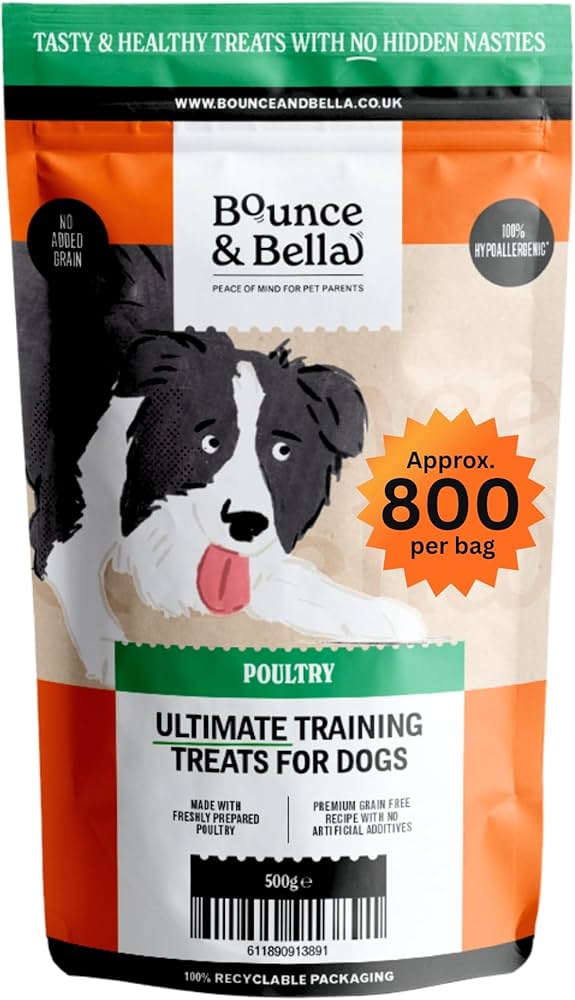
Finding the right training treats for your canine companion is a cornerstone of successful dog training. However, for many dog owners, the quest for the perfect treat is fraught with concern: how to reward good behavior without overfeeding or contributing to unhealthy weight gain? This is where Low Calorie Dog Training Treats enter the picture, offering a delicious and responsible solution for training enthusiasts and their furry friends alike. Embracing these treats means you can confidently reinforce training cues, build a stronger bond, and keep your dog in prime physical condition.
The Importance of Calorie-Conscious Training
Training a dog is an ongoing journey, and treats are often the fuel that powers this learning process. While traditional treats are highly palatable and motivating, they can also be dense in calories, fat, and sugar. Regularly dispensing even small, high-calorie treats can lead to significant weight gain over time. This can contribute to a host of health issues, including joint problems, diabetes, heart disease, and a shortened lifespan. By opting for low calorie dog training treats, you can ensure that every reward is a positive step towards a well-behaved dog, not a step towards obesity.
Why Choose Low Calorie Options?
- Weight Management: The most obvious benefit is aiding in weight management. This is crucial for all dogs, but especially for breeds prone to weight gain or those with existing health conditions.
- Increased Training Sessions: Lower calorie density means you can offer more treats during a training session without exceeding your dog’s daily caloric intake. This allows for more practice and faster learning.
- Healthier Digestion: Many low-calorie treats are made with simpler, more digestible ingredients, which can be beneficial for dogs with sensitive stomachs.
- Reduced Risk of Dental Issues: While not a replacement for dental care, some low-calorie treats are designed to be less sugary, potentially reducing the risk of dental problems.
Understanding Calorie Counts in Dog Treats
It’s easy to overlook the calorie content of a tiny biscuit, but these small additions can add up. A typical dog treat can range from 20 to over 100 calories, depending on its size and ingredients. For a small dog, a few “high-calorie” treats a day could represent a significant portion of their daily needs. Low calorie dog training treats, on the other hand, typically fall below 10-15 calories per piece, making them an excellent choice for frequent rewarding.
How to Calculate Your Dog’s Needs
A good starting point for determining your dog’s daily caloric needs is their weight and activity level. While a veterinarian can provide the most accurate assessment, a general guideline for adult dogs is around 20-30 calories per pound of body weight. Remember to subtract the calories from training treats from their total daily food intake.
“Owners often underestimate the impact of treats on their dog’s overall diet. It’s vital to remember that treats are part of the total daily calorie intake, not just an extra bonus.” – Dr. Emily Carter, Veterinary Nutritionist
What Makes a Treat “Low Calorie”?
The “low calorie” label is relative, but generally, treats under 15 calories per piece are considered suitable for low-calorie training. These treats often achieve their lower calorie count through:
- Lean Proteins: Using ingredients like chicken breast, turkey, or fish as the primary protein source.
- Vegetables and Fruits: Incorporating vegetables like carrots, peas, or sweet potatoes, and fruits like blueberries or apples, which are lower in calories and high in nutrients.
- Reduced Fat Content: Minimizing or eliminating added fats, oils, and high-fat meats.
- Whole Grains or Grain-Free Bases: Using ingredients like oats, brown rice, or sweet potato flour, which are more nutrient-dense and less calorie-dense than refined flours.
- Smaller Portion Sizes: Even if a treat isn’t inherently “low calorie,” smaller, bite-sized portions can effectively serve the purpose of a reward.
Popular Low Calorie Dog Training Treats and Ingredients
When selecting commercially available low calorie dog training treats, look for simple, recognizable ingredients. Many brands now specialize in these healthier options, offering a variety of flavors and textures to keep your dog engaged.
Key Ingredients to Look For:
- Chicken Breast/Turkey: Lean and packed with protein.
- Sweet Potato: A great source of fiber and vitamins.
- Carrots: Low in calories and rich in beta-carotene.
- Peas: Provide fiber and some protein.
- Oats: Offer complex carbohydrates and fiber.
- Apples: A hint of natural sweetness and fiber.
- Blueberries: Antioxidant-rich and low in calories.
Brands that focus on limited ingredient diets often excel in creating low-calorie options. This is also beneficial for dogs with food sensitivities. If you are looking for grain free dog training treats, many brands offer these options, often using sweet potato or other vegetable flours as a base.
DIY Low Calorie Dog Training Treats
For the truly dedicated owner, making your own low calorie dog training treats can be a rewarding experience. It gives you complete control over the ingredients and allows you to tailor them to your dog’s preferences and dietary needs. You can easily find dog treats for training recipes online that are specifically designed to be low in calories.
Simple Recipe Idea: Peanut Butter & Oat Bites
Ingredients:
- 1 cup rolled oats (or oat flour)
- 1/4 cup natural, xylitol-free peanut butter
- 1/4 cup unsweetened applesauce
- Water (as needed)
Instructions:
- Preheat your oven to 350°F (175°C). Line a baking sheet with parchment paper.
- In a bowl, mix the oats, peanut butter, and applesauce until well combined.
- If the dough is too dry, add a tablespoon of water at a time until it forms a workable dough.
- Roll the dough into small, pea-sized balls (or any size appropriate for training).
- Place the balls on the prepared baking sheet.
- Bake for 12-15 minutes, or until lightly golden and firm.
- Let them cool completely before serving or storing in an airtight container in the refrigerator.
These homemade treats are typically around 5-10 calories each, making them perfect for frequent rewards. You can also experiment with adding other dog-safe ingredients like a sprinkle of cinnamon or a tiny bit of pureed pumpkin.
Using Low Calorie Treats Effectively in Training
The effectiveness of any treat, low calorie or not, lies in how it’s used.
Timing is Key
Deliver the treat immediately after your dog performs the desired behavior. This creates a clear association between their action and the reward. For instance, if you’re teaching a “sit,” deliver the treat the moment their rear touches the ground.
Variety Keeps Them Interested
Even with low calorie dog training treats, your dog can lose interest if they’re always the same. Rotate through different flavors and textures. This is where options like grain free dog training treats or specific recipes can be helpful.
High-Value vs. Low-Value Treats
Understand that not all training situations require the same “value” of treat. For basic commands in a low-distraction environment, your low-calorie treats will likely suffice. However, for more challenging commands or in highly distracting environments (like a busy park), you might need to use a higher-value treat (which could be a slightly higher-calorie treat, or something extra special like a tiny piece of cooked chicken). This is where considering training treats for large dogs or small dogs becomes important, as their “high-value” needs might differ.
Don’t Forget Non-Food Rewards
While treats are excellent motivators, don’t rely on them exclusively. Praise, petting, and playtime are also powerful rewards that strengthen your bond and reinforce good behavior without adding calories.
Common Challenges and Solutions
- My dog isn’t motivated by low calorie treats: This is common, especially if your dog is used to richer treats. Start by using them in very low-distraction environments. Gradually increase the difficulty of the training task as your dog becomes more motivated by these options. Also, ensure the treats are fresh and stored properly to maintain their appeal. Some dogs might have a specific flavor preference; experimenting with different types of low-calorie treats can help. For instance, if they don’t respond to chicken-based treats, try a fish or vegetable-based option. If you’re struggling, a train me dog treat that is specifically formulated for high-reward training might be needed, though still keeping calories in mind.
- My dog has allergies/sensitivities: This is where DIY treats shine, or looking for specialized limited-ingredient commercial options. Always read labels carefully and consult your veterinarian if you’re unsure about ingredients.
- I’m worried about dental health: While low-calorie treats can be less sugary, they don’t replace dental brushing and chews. Look for treats specifically designed to help with dental hygiene, or ensure your dog has access to appropriate dental chews.
Conclusion: A Healthier Path to a Well-Trained Dog
Choosing low calorie dog training treats is a proactive and loving decision for any dog owner. It demonstrates a commitment to your dog’s overall health and well-being while still enabling effective and rewarding training sessions. Whether you opt for commercially prepared options, experiment with how to train a sausage dog using specific recipes, or make your own from scratch, the benefits are clear. By mindfully incorporating these smarter treats into your training repertoire, you pave the way for a happier, healthier, and better-behaved canine companion for years to come.
