
Longhaired Cats captivate with their elegant and often regal appearance, characterized by flowing manes, fluffy tails, prominent ear tufts, and delicate fur between their toes. While their luxurious coats might suggest intensive grooming needs, this isn’t universally true for all fluffy felines. This article explores some of the most sought-after and distinctive longhaired cat breeds.
Featured Longhaired Cat Breeds
Persian
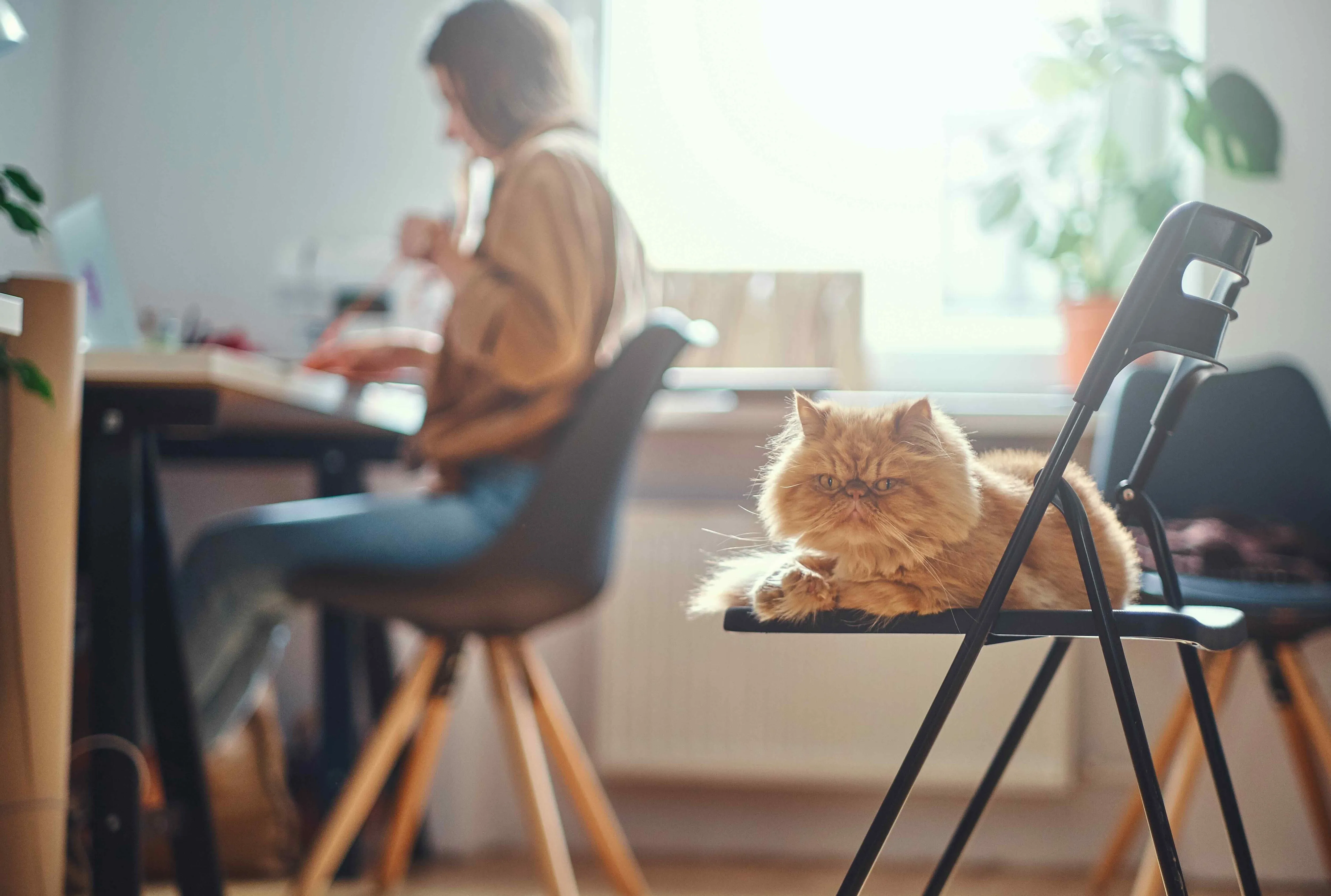 red persian cat lying on a chair with a woman at a desk in the backgroundRenowned for their distinctively flat faces and flowing coats, Persian cats are archetypal longhaired felines. They possess a placid temperament, thriving in calm and tranquil environments. While affectionate with their families, they can be somewhat reserved around unfamiliar individuals. Persians are available in a wide spectrum of coat colors, including black, red, and cream, with blue and lilac being unique options for those seeking a gray longhaired cat. Given their abundant fur, daily grooming is essential to maintain their coat and facial cleanliness, preventing matting.
Himalayan
 silver colorpoint himalayan cat sitting in grass and looking upThe Himalayan, a product of crossbreeding Persian and Siamese cats, is an affectionate and playful longhaired breed. This breed is easily identifiable by its characteristic points—darker shaded areas on the ears, nose, feet, and tail—which contrast with its cream-colored body. These points can appear in various colors such as seal (black with a golden, reddish, or brownish sheen), blue, lilac, chocolate, or flame (red-orange), and can be solid or patterned. Their coat can range from fine to woolly, but consistent daily brushing is crucial for all Himalayans.
LaPerm
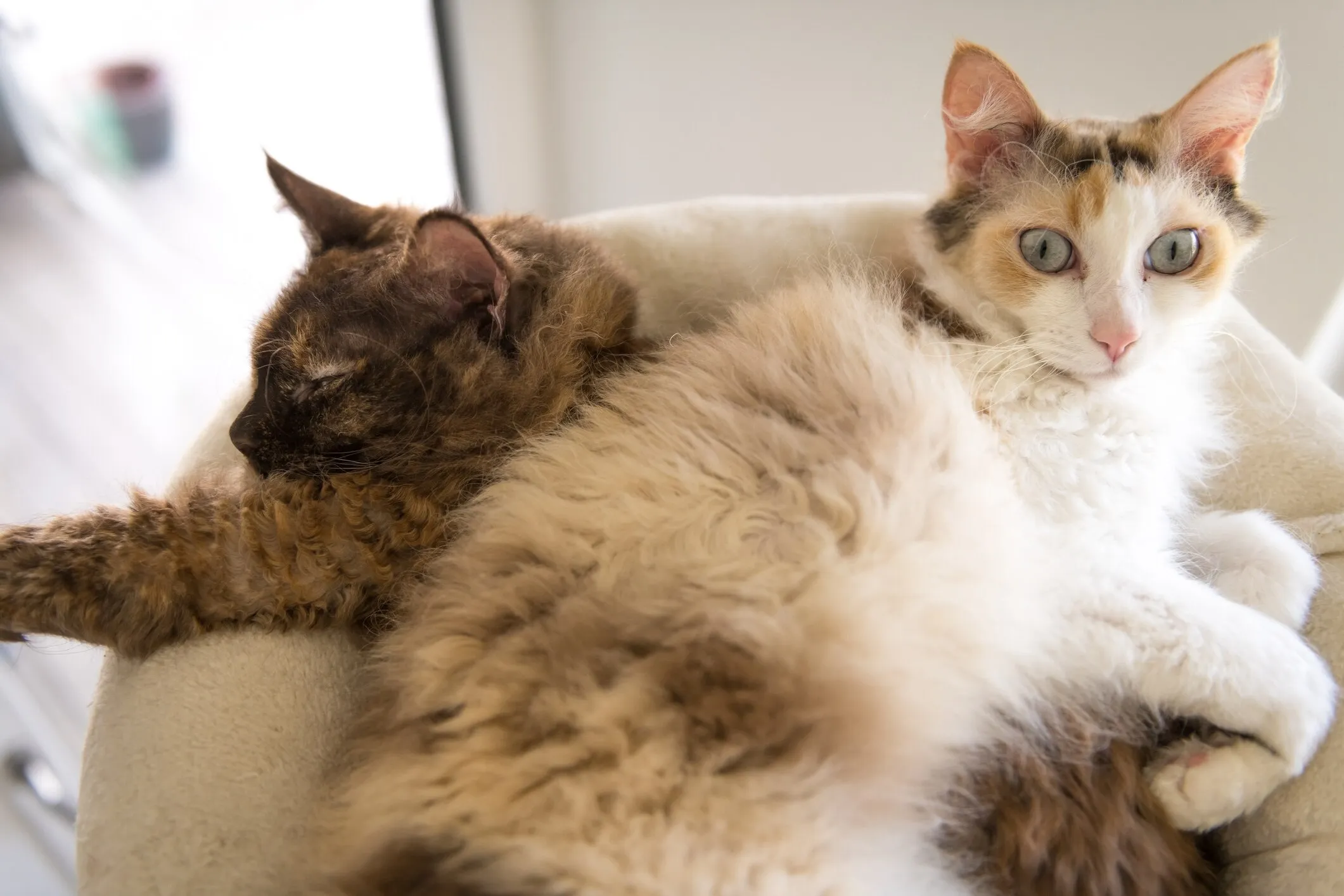 two laperm cats lying together in a cat treeOne of the more unique longhaired cat varieties is the curly-coated LaPerm. A natural gene mutation gives their coat a distinct wavy appearance. LaPerms can exist in both longhaired and shorthaired variations. The longhaired LaPerm boasts a medium-long coat that can be curly or wavy, possessing a springy, airy texture as per the Cat Fanciers’ Association (CFA) breed standard. Despite their long fur, LaPerms shed minimally and are known for their affectionate and active nature.
Maine Coon
The Maine Coon’s impressive size, long coat, and prominent whiskers contribute to its striking appearance. These cats make wonderful companions, recognized for their affectionate and intelligent personalities, often exhibiting dog-like behaviors. As one of the largest longhaired cat breeds, a mature Maine Coon can weigh up to 25 pounds. Their dense double coat requires brushing at least a few times weekly to preserve its condition and prevent tangles.
Norwegian Forest Cat
Another large longhaired breed, the Norwegian Forest Cat, possesses a thick coat adapted to its native Scandinavia’s harsh winters. Regular brushing several times a week is beneficial for these cats. Twice a year, they undergo a significant shedding period, necessitating an intensified brushing routine to manage loose fur. Their sociable disposition makes grooming sessions enjoyable, as they appreciate spending quality time with their human families.
Ragdoll
The Ragdoll is a famously fluffy breed recognized for its tendency to go limp and relaxed when held or petted. Considered one of the friendliest cat breeds, Ragdolls thrive in homes with other pets or with owners who are frequently present. Beyond their need for companionship, their care requirements are relatively straightforward, with grooming once or twice weekly generally sufficient to maintain their health.
RagaMuffin
Closely related to the Ragdoll, the RagaMuffin is cherished for its affectionate demeanor and strong bond with family members. This longhaired breed features a soft, silky coat with a noticeable ruff around the neck and slightly longer fur on the belly. Despite its luxurious appearance, the coat is relatively low-maintenance, typically requiring only weekly grooming with a comb.
Siberian
Distinguished by its triple coat—consisting of guard hair, awn hair, and an undercoat—the Siberian requires about weekly grooming under normal conditions. However, during shedding seasons in spring and fall, more frequent brushing, potentially daily, is needed to manage the molting undercoat. Siberians are known for their friendly nature, enjoy laps, and are intelligent and trainable cats.
Selkirk Rex
The Selkirk Rex possesses a curly coat, a result of an inherited gene mutation, and long, fluffy fur attributed to its Persian lineage. Unlike many long-furred breeds, over-brushing can lead to a frizzy coat. Due to a tendency towards oily skin, these cats benefit from semi-regular bathing. Establishing a consistent grooming and bathing routine early in their lives can simplify the process.
American Bobtail
The American Bobtail sports a shaggy, medium-long coat and is characterized by its distinctively shortened tail, which can range from very short to a few inches in length. According to TICA breed standards, American Bobtails can come in any coat color. This medium-sized breed is adaptable and affectionate, capable of learning tricks and engaging in play.
Birman
With striking blue eyes and a white or cream coat accented by points on the face, tail, and legs, the Birman is a visually appealing longhaired cat breed. For owners concerned about intensive grooming, the Birman’s long, silky coat is less prone to tangling and matting compared to some other fluffy breeds. Nevertheless, brushing a few times a week helps reduce shedding and the occurrence of hairballs.
Japanese Bobtail
The longhaired Japanese Bobtail features a tail no longer than 3 inches and a medium-to-long, silky coat with no distinct undercoat. This smooth, fine coat is easily managed with weekly brushing. This breed exhibits a wide array of colors, including solids, bi-colors, and tri-colors. Japanese Bobtails are highly interactive, often vocalizing for attention and readily befriending new people.
Pixiebob
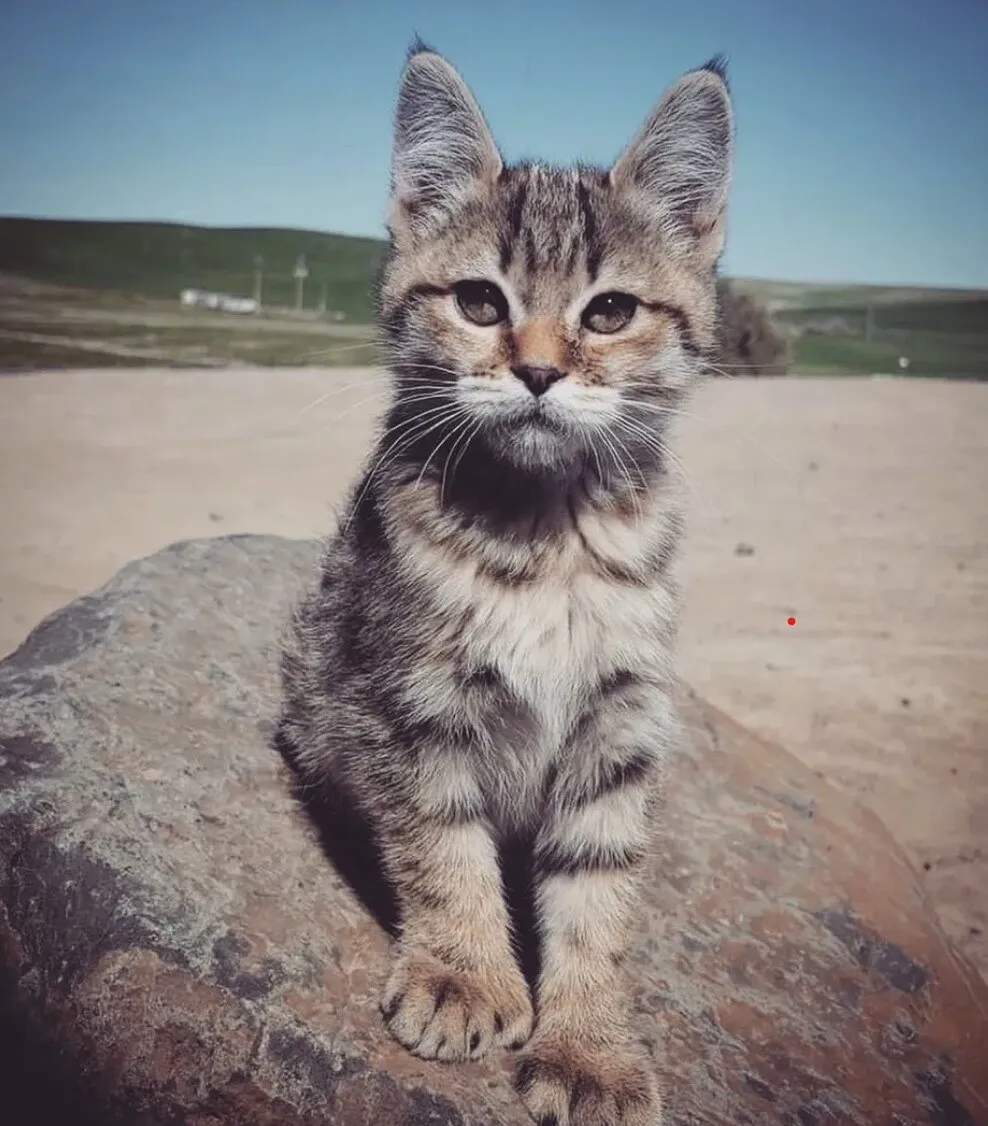 pixiebob kitten with extra toes sitting and looking at the cameraBred to resemble the wild North American bobcat, the Pixiebob comes in both shorthaired and longhaired varieties. The breed standard describes their facial hair as full and bushy. Longhaired Pixiebobs have a soft coat, approximately 2 inches long, that lies close to the body. Despite their wild appearance, Pixiebobs possess a relaxed and friendly nature, making them excellent domestic pets.
Turkish Angora
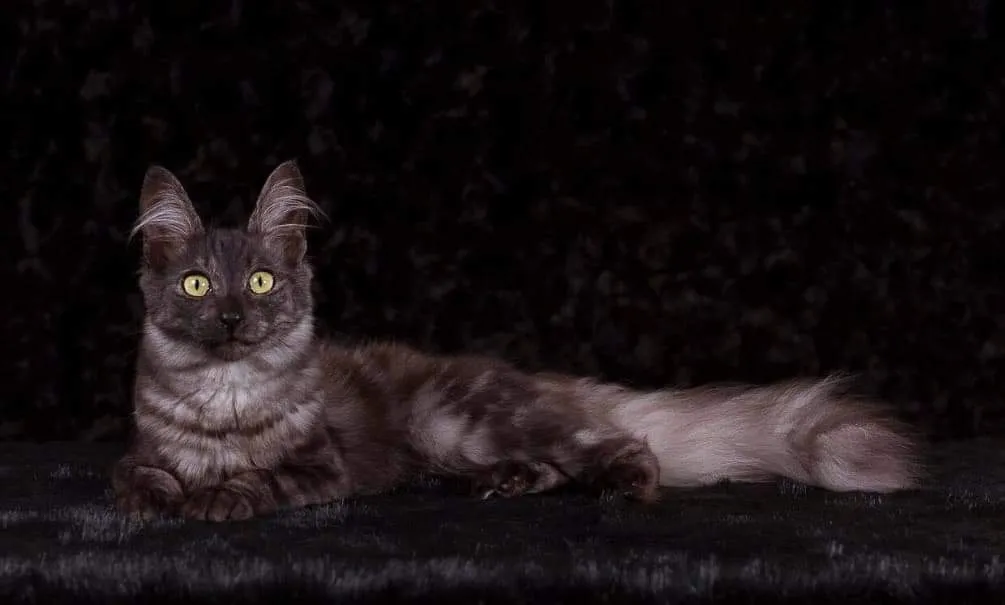 black turkish angora lying down on a black backgroundThe Turkish Angora boasts a smooth, silky coat that is both beautiful and low-maintenance. Lacking an undercoat reduces the likelihood of matting, though brushing a few times weekly is still recommended. While not known for excessive cuddling, they enjoy active play with people and other pets and tend to be quite vocal.
Turkish Van
Another low-maintenance longhaired breed is the Turkish Van. Interestingly, their coat grows longer as they mature, with a shorter coat in summer and a thick, long coat in winter. They consistently maintain a full, bushy tail and ear tufts.
Caring for Longhaired Cat Breeds
The fundamental care for longhaired cats is similar to that of any feline, encompassing proper nutrition, mental stimulation, and essential amenities like a litter box and toys. However, longhaired breeds often necessitate significant grooming. Regular brushing and routine nail clipping are paramount. Investing in appropriate combs and brushes will help manage loose fur, dander, and maintain coat smoothness.
It is vital to master proper brushing techniques and to make the experience positive by offering affection and treats. Avoid over-brushing, which can damage the fur. For severe mats that cannot be easily removed, professional grooming is recommended. Regular visits to a groomer can also be beneficial, especially for very fluffy breeds like the Persian or Siberian, assisting with thorough brushing or trimming for easier at-home maintenance.
