
The world of horse training is built on a foundation of trust, communication, and mutual respect. However, the line between effective, firm training and outright abuse can sometimes become blurred, sparking passionate debate within the equestrian community. Few incidents have ignited this firestorm of discussion as intensely as the 2016 controversy surrounding the Logan Allen Horse Trainer case, a story that continues to serve as a crucial lesson in ethics, perception, and the powerful role of social media in modern horsemanship.
This article delves into the complexities of this case, not to condemn or condone, but to foster a deeper understanding of the training philosophies at odds and to empower you, as a dedicated horse person, to make informed and ethical choices for your equine partner.
The Controversy: What Actually Happened?
In May 2016, the equestrian world was rocked by a series of photos posted on Facebook by Logan Allen, a horse trainer from Iowa who had previously won the state’s prestigious Colt Starting Challenge. The images depicted a horse lying on its side with its legs bound. In the photos, the horse was being sprayed directly with water from a hose and, in some shots, was covered with a tarp while the water continued to spray.
The backlash was immediate and severe. Animal rights advocates and fellow equestrians quickly shared the images, labeling the practice as “waterboarding” and animal abuse. The story went viral, creating a social media firestorm that led to widespread public outrage and calls for Allen’s arrest. An investigation was launched by the Mills County Sheriff’s office in Iowa.
In his defense, Allen stated that he was not abusing the horse but employing an old training technique known as “laying a horse down.” He claimed the goal was to desensitize the horse to its fear of water and other stimuli. Despite the public outcry and a formal complaint, a magistrate judge ultimately reviewed the case and ruled that there was no probable cause to file a charge of animal neglect. The case was officially closed, leaving the equestrian community with more questions than answers.
Desensitization: The Great Debate
At the heart of the Logan Allen horse trainer controversy is the concept of desensitization. The goal is to eliminate a horse’s fear response to a specific object or situation, such as crossing water, being clipped, or loading into a trailer. However, the methods to achieve this goal vary drastically and are the source of significant ethical debate.
The “Flooding” Technique
The method Allen was allegedly using is a form of “flooding.” This technique involves exposing the animal to the feared stimulus at a high intensity for a prolonged period until it stops reacting. The theory is that the horse eventually realizes the object won’t harm it and gives up the fight, essentially learning helplessness. In this state of exhaustion and submission, the fear response is extinguished.
Proponents of such pressure-based methods argue that they can be effective in creating a “bombproof” horse, potentially saving the rider from dangerous situations in the future. They often see it as a necessary, if difficult, step to ensure safety.
Modern, Science-Based Alternatives
Today, the vast majority of equine behaviorists and top-level trainers advocate for a different approach based on modern behavioral science: systematic desensitization and counter-conditioning. This method involves a gradual process:
- Introduce the Stimulus Slowly: The scary object (e.g., a hose) is introduced from a safe distance where the horse is aware but not frightened.
- Reward Calmness: The horse is rewarded with a treat, a scratch, or a moment of rest for any calm behavior.
- Gradual Progression: The object is brought closer in small, incremental steps, always staying below the horse’s fear threshold. The process is repeated over multiple sessions.
- Building Positive Associations: Through counter-conditioning, the horse learns to associate the once-feared object with a positive reward, effectively changing its emotional response from fear to anticipation.
While this process takes more time and patience, it builds trust and confidence rather than fear and submission.
As esteemed equine behaviorist Dr. Sarah Miller explains, “When you use force to overwhelm a horse’s senses, you are not teaching it to trust you. You are teaching it that its instincts are wrong and that you are an unpredictable force to be endured. True partnership is built on communication and choice, not on coercion.”
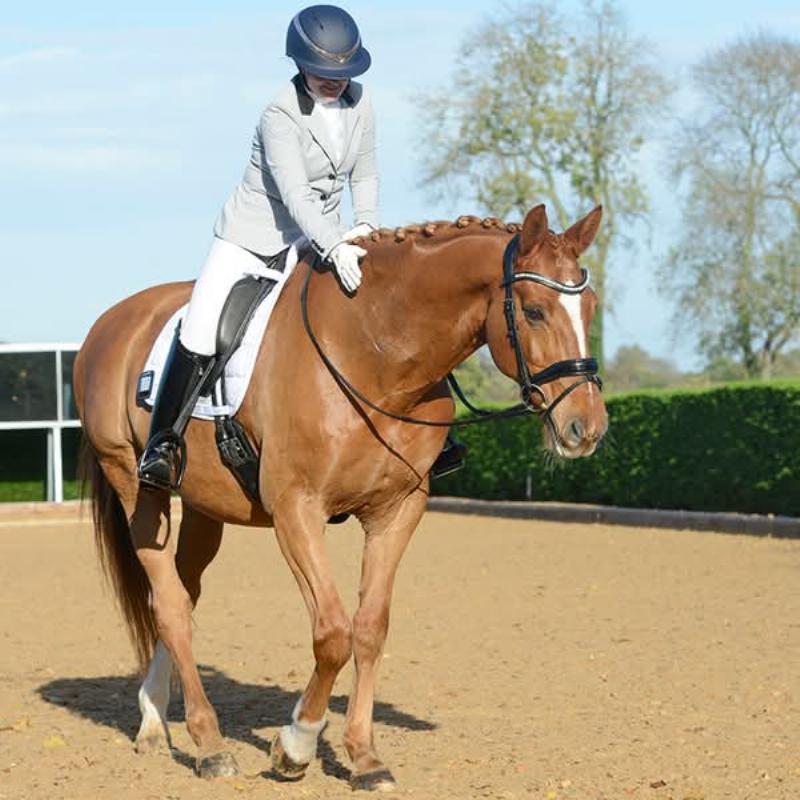 A trainer gently rewarding a calm horse with a pat on the neck, demonstrating positive reinforcement
Social Media: The Digital Judge and Jury
The Logan Allen case unfolded not in a secluded arena but in the court of public opinion, fueled by social media. This highlights a critical aspect of the modern equestrian landscape.
On one hand, platforms like Facebook and Instagram can be powerful tools for accountability. They can shine a light on questionable practices and give a voice to those concerned about animal welfare. They force a level of transparency that was previously non-existent, encouraging trainers to be more mindful of their methods.
On the other hand, social media can quickly devolve into digital vigilantism. Images are often shared without context, and outrage can build before all the facts are known. It’s a space where nuance is often lost, and complex situations are reduced to simplistic labels of “good” or “evil.” This environment can be destructive, potentially ruining careers and lives without a formal process.
As responsible members of the horse community, it is our duty to approach these situations with a critical eye, to ask questions, and to seek out educated opinions rather than simply reacting to a shocking image.
Frequently Asked Questions (FAQ)
What training method was Logan Allen accused of using?
Logan Allen was accused of using a controversial and forceful desensitization method, described by critics as “waterboarding.” He defended it as a technique called “laying a horse down” to break its fear of water by tying its legs and exposing it to the stimulus until it stopped reacting.
Were legal charges filed against Logan Allen?
No. Following an investigation, a magistrate judge in Mills County, Iowa, ruled that there was not enough probable cause to support a charge of animal neglect. The case was subsequently closed without any legal charges being filed.
What is “flooding” in horse training?
Flooding is a desensitization technique that involves exposing a horse to a feared object or situation at full intensity for an extended period. The idea is that the horse will eventually exhaust its fear response and learn that the stimulus is not harmful, though many modern trainers criticize it for causing extreme stress and learned helplessness.
What are the alternatives to pressure-based training methods?
The most widely accepted alternative is systematic desensitization and counter-conditioning. This involves gradually introducing the feared stimulus at a level the horse can tolerate and rewarding calm behavior, slowly building a positive association and genuine confidence.
How can I identify a good, ethical horse trainer?
An ethical trainer prioritizes the horse’s well-being, both physical and mental. They should be transparent about their methods, willing to answer your questions, and focused on building a partnership. Their horses should appear relaxed and willing, not anxious or shut down. Look for trainers who emphasize patience, consistency, and positive reinforcement.
Conclusion: A Lesson for the Future
The Logan Allen horse trainer case remains a deeply polarizing topic. While the law did not find evidence for a charge, the incident serves as a powerful and enduring case study for the entire equestrian world. It forces us to confront difficult questions about tradition, progress, and the very nature of our relationship with horses.
As we move forward, let this story be a reminder that our responsibility is not just to train horses, but to advocate for them. It is our duty to educate ourselves, to question old methods, and to champion techniques that build trust, confidence, and a true partnership. The future of horsemanship lies in our collective commitment to putting the horse first, ensuring that every interaction is guided by empathy, patience, and an unwavering respect for the noble animal we are so privileged to work with.
