
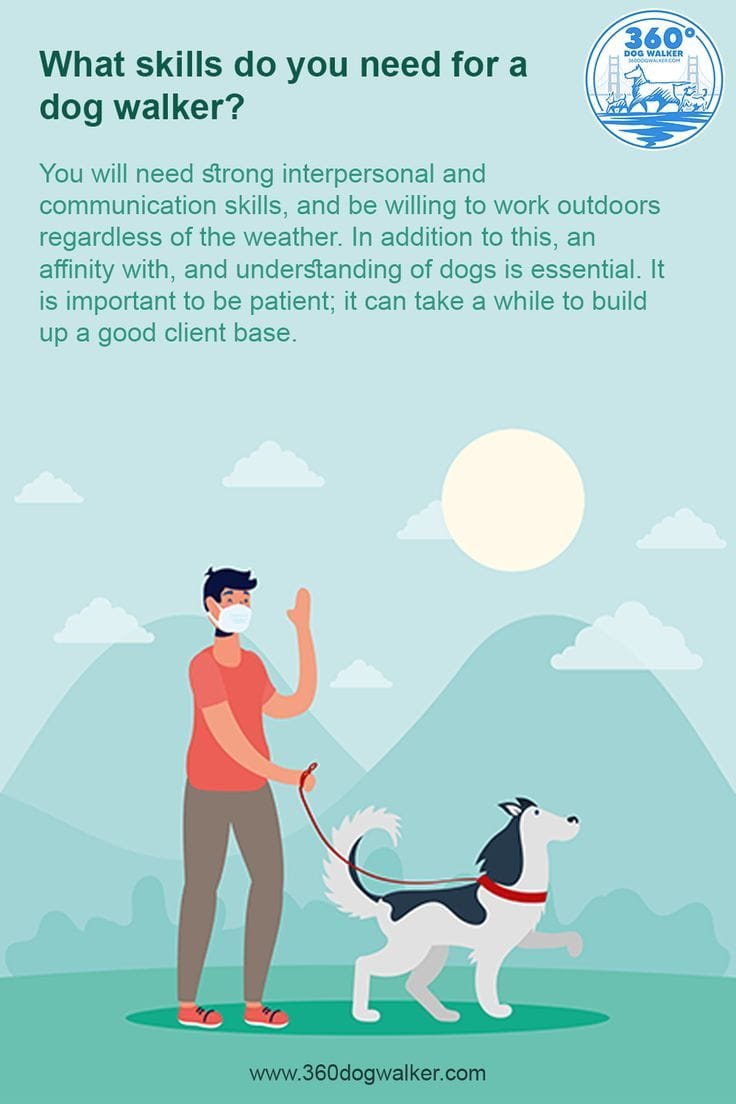
Bringing a dog walker into your home and entrusting them with your beloved pet is a significant decision. While anyone can technically call themselves a dog walker, not everyone possesses the necessary qualifications, reliability, and genuine love for dogs that your furry friend deserves. This guide will equip you with the essential knowledge and questions to ask to ensure you find a trustworthy and competent professional to care for your dog.
The Importance of a Qualified Dog Walker
The Whole Dog Journal emphasizes the need to ask pertinent questions when hiring a dog walker, as the profession lacks standardized certification. It’s crucial to vet potential walkers thoroughly to ensure they are capable of handling your dog’s specific needs and that they will provide a safe and engaging experience. Simply put, you need to know how to pick a qualified person.
Finding Your Ideal Dog Walker
Where to Begin Your Search
The internet is a common starting point for finding dog walking services. Companies with multiple employees often have websites detailing their services. However, some of the most dedicated and skilled dog walkers operate without extensive online advertising. Therefore, don’t underestimate the power of word-of-mouth recommendations.
Seeking Recommendations
Ask for referrals from trusted sources within the pet care community. Your veterinarian’s staff, your dog’s groomer, your dog trainer, or even your local pet store owner can be invaluable resources. Inquire about who they personally use for their own dogs or whose services their clients highly recommend, especially if those clients have dogs with temperaments similar to yours. For owners of dogs who need extra space and understanding, resources like the DINOS website offer lists of individuals experienced in providing specialized care.
Beyond the Obvious Candidates
It’s worth noting that many highly skilled dog walkers may be working part-time in roles such as veterinary technicians, groomers, or animal shelter staff. These individuals often possess a deep understanding of animal behavior and care. While you might also consider students or retirees, opting for someone who dedicates themselves to dog walking as a profession—whether full-time or part-time—is generally advisable. This commitment signifies a higher level of accountability and dedication to the job, ensuring your dog receives consistent care regardless of the weather or other external factors.
Solo Walker vs. Dog Walking Company
A common question is whether to hire an individual “dog walking artiste” or a larger dog walking company. Both options have their pros and cons, and the “better” choice depends on your personal preferences and needs.
- Solo Dog Walkers: Often provide a highly personal relationship, offering flexible service. However, their availability may vary, and they might have individual quirks.
- Dog Walking Companies: Typically offer greater convenience and more formalized accountability due to their structure and potential for multiple employees. However, their services might be more regimented and less personalized.
Ultimately, both models can provide excellent care. The key is to understand your own requirements and choose the option that best aligns with your schedule and desired level of interaction.
The Meet-and-Greet: Essential Steps
1. The Initial Consultation
A reputable dog walker will always offer a free, no-obligation consultation at your home. This “meet and greet” is crucial. If you’re considering a larger company, ensure that the individual who will actually be walking your dog, not just a manager, attends this meeting.
2. Observing Interaction with Your Dog
During the initial meeting, pay close attention to how the potential walker interacts with your dog. Ideally, your dog should show immediate interest and affection. A good dog walker often carries the scent of other dogs, which most dogs find intriguing. Observe the walker’s demeanor – you should see genuine enthusiasm for meeting new canine companions.
Handling Fearful Dogs
If your dog is naturally shy or fearful around new people, observe the walker’s approach. A skilled walker will not force interaction but will instead give your dog space, perhaps sitting down and engaging you in conversation while allowing your dog to approach on their own terms. If your dog has significant fear issues, it may be beneficial to schedule a second meeting, potentially for a fee, to allow for further acclimatization.
Understanding Canine Behavior Without You
Remember that dogs can behave differently when you are not present. Your boisterous dog might be calmer when you’re away, or a shy dog might become more confident with a new person when their owner isn’t watching. Trust your instincts and the walker’s approach; sometimes, you need to allow the walker to spend time with your dog alone to see their true dynamic.
3. The Test Walk
If your dog is comfortable, ask to incorporate a short walk during the initial meeting. This allows you to see firsthand how the dog walker handles your dog on a leash and in a real-world environment. This step is particularly important for reactive dogs, allowing you to assess the walker’s ability to manage potentially challenging situations.
4. Honesty About Medical and Behavioral Issues
Be completely transparent about any medical conditions or behavioral quirks your dog may have. This is not only for your dog’s safety but also to ensure the walker is adequately equipped to handle them. A responsible dog walker will readily admit if they lack the specific skills required for your dog’s needs. Avoid downplaying issues, as this can create dangerous situations when the walker enters your home alone. Discuss management strategies, such as preparing your dog in a harness or crate before the walker arrives, to ensure a safe entry for everyone. A skilled walker will ask clarifying questions about triggers, safe walking routes, and your training plans, demonstrating their expertise.
5. Communication and Accountability
Inquire about how you will be updated on your dog’s walks. Some walkers provide detailed notes, affectionately termed “Poop Diaries,” while others use simple checklists for essential tasks like potty breaks and affection. Some services even offer advanced tracking and reporting methods. It’s reasonable to ask for some form of confirmation that your dog walker has indeed visited.
6. Professional Credentials
A professional dog walker should have the following readily available: liability insurance, references, a detailed service contract, and clear, written policies regarding rates, cancellation, and payment methods. Understand their cancellation policy, daily/weekly rates, acceptable payment forms, and the expected time window for their visits. Clarify who is responsible for veterinary bills should your dog be injured during a walk. All these details should be in writing.
Entrusting your home and pet to a stranger requires a leap of faith. A good dog walker will understand this and make every effort to build your confidence and comfort. Ultimately, trust your intuition and choose the person who is the best fit for both you and your dog.
Share your experiences with dog walkers in the comments below! Were they lifesavers, or perhaps a bit quirky?
P.S. Considering a career as a dog walker? Be prepared for the challenges, including managing epic amounts of poop!
