
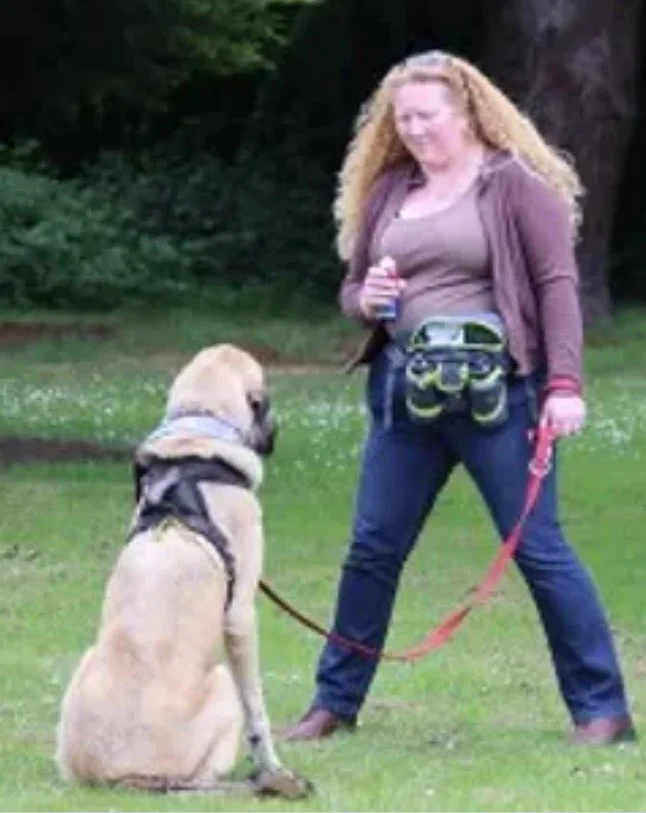
When it comes to safeguarding your farm, flock, or herd, a well-trained Livestock Guardian Dog (LGD) is an invaluable asset. These dogs are bred for a specific purpose: to bond with livestock and protect them from predators. However, their natural instincts need to be honed through consistent, specialized training. If you’re searching for “Livestock Guardian Dog Training Near Me,” you’re on the right track to ensuring your LGD can effectively perform its crucial role.
Understanding the LGD’s Role and Instincts
Livestock Guardian Dogs are not typical pets or working dogs in the same vein as herding breeds. Their primary function is deterrence and protection, not herding. They are bred to be independent thinkers, to patrol their territory, and to interpose themselves between their charges and any perceived threat. This independent nature means LGD training requires a different approach than training a border collie or a Labrador.
Key LGD traits that influence training include:
- Bonding: LGDs form deep bonds with the animals they are meant to protect, often starting from a young age. This bond is the foundation of their protective behavior.
- Independence: They are not looking for constant direction. They are trained to assess situations and act autonomously.
- Territoriality: They are naturally inclined to defend their designated territory.
- Deterrence: Their presence, bark, and sometimes physical intervention are meant to scare off predators.
To effectively train a livestock guardian dog, understanding these innate characteristics is paramount. This is where specialized knowledge in livestock guardian dog training becomes essential.
The Importance of Early Socialization and Introduction
The success of any LGD training program hinges on early and appropriate socialization. Puppies should ideally be introduced to their livestock charges as young as possible, typically between 8 to 12 weeks old. This allows them to imprint on the animals as their “family” to be protected.
This introduction should be carefully managed:
- Supervised Interaction: Initial meetings should be under close supervision to ensure safety for both the puppy and the livestock.
- Gradual Acclimation: Allow the puppy to observe the animals from a safe distance before direct interaction.
- Positive Reinforcement: Associate the presence of livestock with positive experiences, such as calm petting and gentle praise.
This early stage is critical for establishing the LGD’s primary loyalty and understanding of its role. For those seeking professional dog training near me who specialize in LGDs, this is often the first and most crucial phase they will focus on.
Core Training Components for Livestock Guardian Dogs
While every LGD is an individual, several core training components are vital for all breeds. Effective training a livestock guardian dog involves a combination of management, reinforcement, and addressing natural behaviors.
Management and Containment
Proper management is a cornerstone of LGD training. This involves:
- Secure Fencing: Ensuring your property is securely fenced to prevent the dog from roaming off-property, which could lead to unwanted encounters or get them lost.
- Introduction to Boundaries: Teaching the dog the limits of its territory and acceptable areas for patrol.
- Supervision During Crucial Periods: Especially in the early stages, constant supervision during introductions and when new animals are present is key.
Basic Obedience and Control
Although LGDs are independent, basic obedience is necessary for management and safety. Commands like “come,” “stay,” “leave it,” and “quiet” are essential.
- “Come”: Crucial for recalling the dog during emergencies or for health checks.
- “Leave It”: Useful for preventing the dog from excessively harassing livestock or interacting inappropriately with other animals.
- “Quiet”: LGDs often bark to deter threats, but excessive barking can become a nuisance. Training a “quiet” command helps manage this.
When looking for a livestock guardian dog trainer near me, inquire about their methods for teaching these commands in a way that respects the dog’s independent nature.
Barking Management
Barking is a natural and essential part of an LGD’s protective repertoire. They bark to alert, deter, and communicate. However, excessive or indiscriminate barking can be problematic. Training focuses not on stopping barking, but on managing it:
- Identify Triggers: Understanding why the dog is barking (predator, unfamiliar person, other dog, territorial dispute).
- Reward Calmness: Praising and rewarding the dog when it is quiet, especially after a perceived threat has passed.
- “Quiet” Command: As mentioned, teaching a reliable “quiet” command is paramount.
A skilled trainer will help you differentiate between appropriate protective barking and nuisance barking, and develop strategies for management.
Livestock Interaction and Protection
The ultimate goal is for the LGD to live harmoniously with and protect its charges. This involves:
- Reinforcing Positive Bonds: Continuing to encourage the dog’s connection with the livestock through calm presence and supervision.
- Addressing Harassment: Correcting any tendencies the dog might have to chase, nip, or overly stress the livestock.
- Understanding Threat Assessment: Teaching the dog to recognize actual threats versus normal farm activity. This is largely instinctual but can be guided.
Finding Livestock Guardian Dog Training Near Me
Choosing the right trainer is crucial. Not all dog trainers have experience with the unique needs of Livestock Guardian Dogs. When searching for professional dog training near me or specifically for LGD expertise, consider the following:
- Specialization: Does the trainer have proven experience with LGD breeds (e.g., Great Pyrenees, Anatolian Shepherd, Maremma Sheepdog, Akbash)?
- Methodology: Do they use positive reinforcement and understand the independent nature of LGDs? Avoid trainers who advocate harsh corrections, as this can damage the dog’s confidence and bond.
- Understanding of LGD Instincts: Can they explain how they work with, rather than against, the dog’s natural protective instincts?
- Farm/Rural Experience: Experience in a rural or farm setting is highly beneficial, as the trainer will understand the environment the LGD operates in.
- References: Ask for references from other LGD owners they have successfully worked with.
Many trainers offer initial consultations, which can be a great way to gauge their expertise and see if they are a good fit for you and your dog. Exploring resources like the Livestock Protection Dog International (LPDI) or national LGD breed clubs can also provide recommendations for qualified trainers in your area.
Common Challenges and Solutions in LGD Training
Even with the best intentions, LGD training can present challenges. Understanding these common issues and potential solutions can help owners stay on track.
- Excessive Barking: As discussed, this requires consistent management and reinforcement of the “quiet” command. It also involves ensuring the dog feels secure and that its protective instincts are being met appropriately.
- Roaming/Escaping: This often points to a need for better containment, more exercise, or unmet needs for territory patrol. It can also be a sign of inadequate bonding with the livestock or boredom.
- Aggression Towards Livestock: While rare if properly socialized, this can occur. It requires immediate professional intervention to assess the cause (fear, territorial dispute, illness) and determine the best course of action, which may include re-homing if the bond cannot be re-established safely.
- Lack of Bonding: If the puppy wasn’t properly introduced or socialized, it may not see the livestock as its flock. This requires going back to basics with supervised, positive introductions.
Remember, training a livestock guard dog is a long-term commitment. These dogs mature slowly and their training is an ongoing process throughout their lives.
The Reward of a Well-Trained Livestock Guardian Dog
Investing time and resources into proper livestock guardian dog training pays dividends. A well-trained LGD provides peace of mind, significantly reduces livestock losses to predators, and becomes a trusted, integrated member of your farm or homestead. They are more than just working animals; they are devoted protectors with a deep, innate desire to guard.
For those actively searching for “livestock guardian dog training near me,” remember that expertise in this specialized field is key. The right trainer will help you unlock your LGD’s full potential, ensuring a harmonious and secure future for your livestock and a loyal companion for you.
